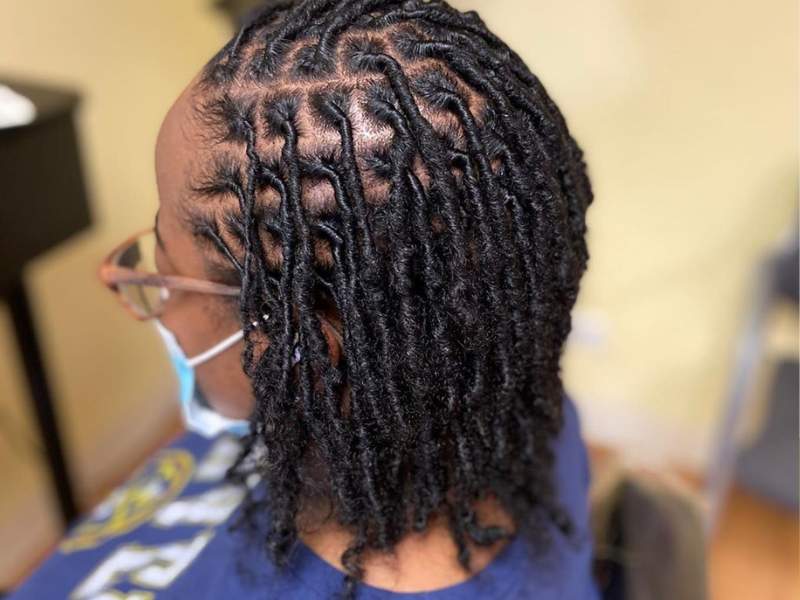
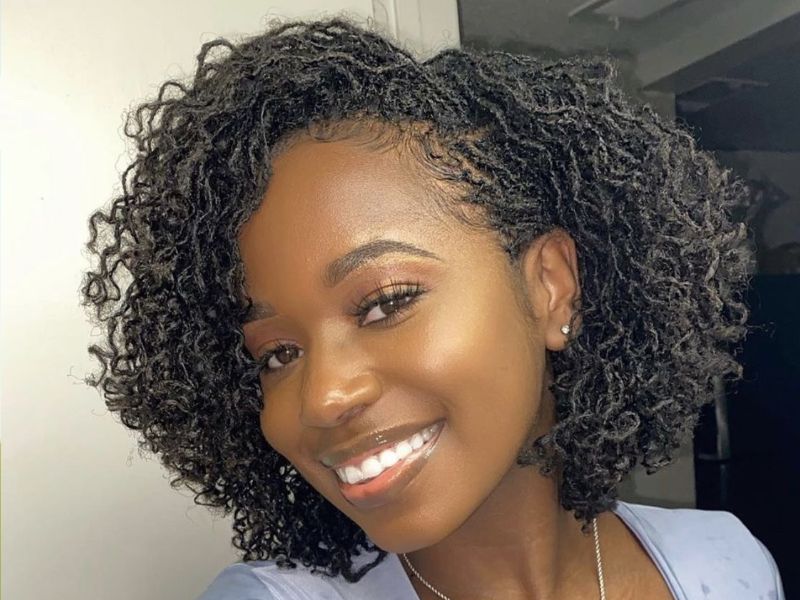
Starting a loc journey is an exciting decision, especially when you have been admiring the beauty of small, well-maintained locs. If you love the look of locs but prefer a smaller, more flexible size, microlocs may be worth considering.
Microlocs have become a popular choice for people who want a loc hairstyle with a delicate appearance and plenty of styling possibilities. They can be worn in different lengths, styled into elegant updos, and maintained as they grow. Their smaller size also allows for more individual locs across the scalp than you would typically have with larger traditional locs.
However, before starting your journey, there are several things you should understand. Microlocs require planning, patience, and consistent maintenance. Their small size can offer styling flexibility, but it also means that installation and retightening may take considerable time.
You should also understand the difference between microlocs, Sisterlocks, and traditional locs before choosing the method that suits your hair, lifestyle, and budget.
If you are a beginner, you may be wondering how microlocs are installed, how much they cost, how often they need retightening, and how long it takes for them to mature. You may also want to know if they are suitable for your hair type and if you can start them at home.
This guide covers nine important things to know about microlocs before starting your loc journey, helping you make an informed decision and prepare for the care they require.
I have an article on Starter Locs : 15 Things Nobody Tells You Before Starting Your Loc Journey
What Are Microlocs?
Microlocs are small, individual locs formed by sectioning the hair into relatively tiny parts and using a suitable locking method to help the hair develop into locs.
Unlike traditional locs, which are often started with larger sections, microlocs are designed to remain relatively small. This creates a fuller-looking arrangement of individual locs across the scalp and allows for a range of hairstyles.
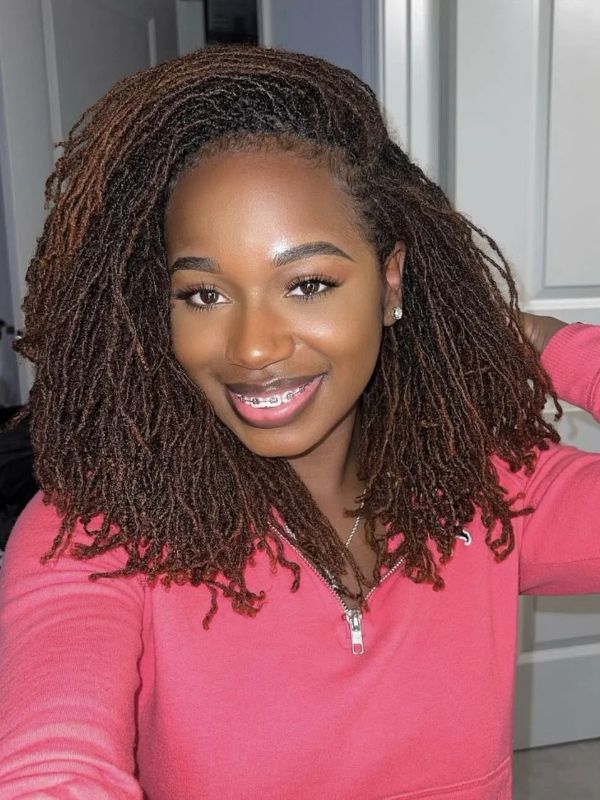
Microlocs can be started using different methods, including two-strand twists, braids, interlocking, and other techniques suited to the person’s hair characteristics and desired result. The appropriate method depends on factors such as hair texture, density, section size, and the professional’s experience.
As your microlocs develop, the hair gradually becomes more compact and established. They may look different during the starter stage than they do after several months or years of growth.
One important thing to understand is that microlocs are not defined by one universal size or installation method. The term generally describes small locs, but their exact size and maintenance requirements can vary.
Now that you understand what microlocs are, let’s look at the nine things you should know before getting them.
Microlocs need time to develop, and their appearance can change as your hair matures. Learn How Long Do Starter Locs Take to Mature? What to Expect so you can better understand the changes that happen during the locking process.
1. Understand the Difference Between Microlocs, Sisterlocks, and Traditional Locs
Before installing microlocs, it is worth learning how they compare with other types of locs.
Although these styles may look similar at first glance, their installation approaches, typical sizes, maintenance requirements, and costs can differ.
Understanding these differences will help you choose a loc style that suits your preferences.
Microlocs
Microlocs are small locs that can be created using several installation techniques. Depending on the method you choose, they may be started with twists, braids, interlocking, or another appropriate technique.
Their small size means you can have many individual locs across your scalp. This can make certain hairstyles easier to create because you have more individual sections to work with.
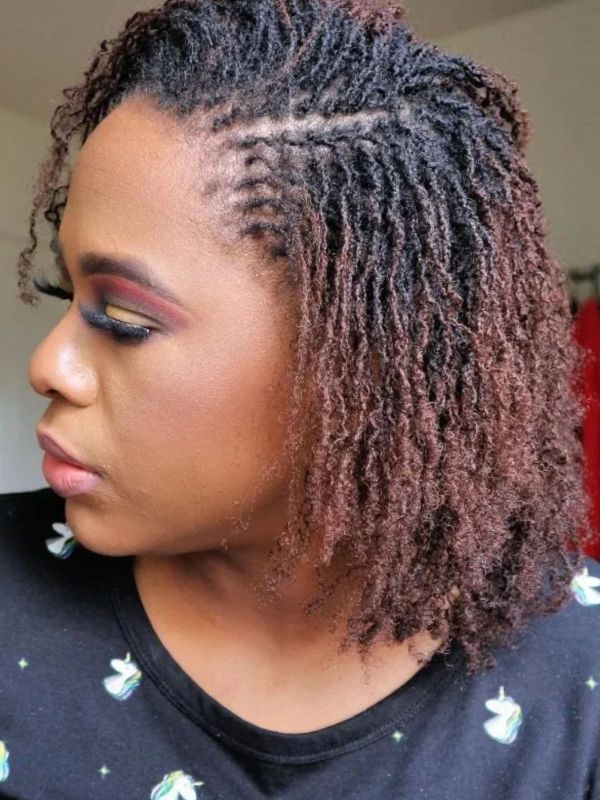
However, the number of locs and the amount of time required for installation depend on your hair density, section size, and chosen method.
Microlocs can be suitable for people who want smaller locs without necessarily following a particular branded installation system.
If your microlocs feel dry between wash days, a lightweight moisturizing spray may be worth considering. Choose a product that suits your hair and scalp, and use it sparingly to avoid leaving unnecessary residue on your locs, Get Lightweight Loc Moisturizing Spray from Amazon.
Sisterlocks
Sisterlocks are a specific type of small locs created through a proprietary installation system. The method uses a specialized technique and is typically installed by a trained and certified Sisterlocks consultant.
Although Sisterlocks and microlocs can look similar, they are not interchangeable terms.

Sisterlocks have their own installation process, training requirements, and maintenance approach. Their installation costs may also differ from those of other microloc methods.
If you are considering Sisterlocks, consult a qualified Sisterlocks professional to understand the process and ongoing commitment.
Check out My Article on How to maintain Sisterlocs and keep them Looking Beautiful To Understand everything about sisterlocs.
Traditional locs
Traditional locs are generally larger than microlocs, although their size varies considerably.
They can be started using methods such as comb coils, two-strand twists, braids, or other techniques appropriate for the person’s hair.
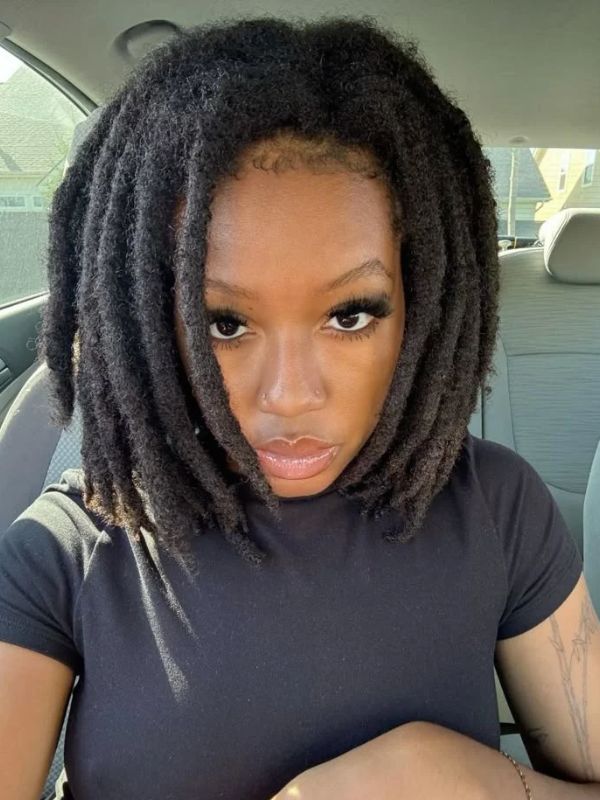
Because traditional locs are usually larger, they often require fewer individual sections than microlocs. Depending on the size and method, this may make installation and maintenance less time-consuming.
Traditional locs can also create beautiful, distinctive styles, from simple buns to intricate updos.
Which option should you choose?
The right choice depends on the appearance you want, your budget, how much maintenance you can manage, and the amount of time you are willing to spend caring for your locs.
If you prefer smaller locs with many individual sections, microlocs may suit you.
If you want a particular small-loc system with a specialized installation method, you may prefer Sisterlocks.
If you prefer larger locs and potentially fewer individual sections to maintain, traditional locs may be a better fit.
There is no single option that is best for everyone. Take time to compare your choices before committing.
You can also read our article on Sisterlocks vs Traditional Locs to learn more about their differences.
2. Choose the Right Installation Method for Your Hair
One of the most important decisions you will make when starting microlocs is choosing the installation method.
The method affects the initial appearance of your locs, how they develop, the type of maintenance they require, and how well they suit your hair.
Not every method works equally well for every person. Your hair texture, density, length, scalp condition, and preferred loc size should all be considered.
Here are some common ways microlocs can be started.
Two-strand twists
Two-strand twists are created by dividing a small section of hair into two strands and wrapping them around each other.
This method can be used to start microlocs, depending on the hair and the desired result.
Two-strand twists can be attractive during the starter stage, but they may unravel, especially when the hair is frequently manipulated or washed before the locs become established.
They may also look fuller or more textured initially than mature microlocs.
If you choose this method, ask your loctician how to care for the twists during the early stages and how to minimize unnecessary unraveling.
Braids
Some people start microlocs with small braids.
Braids can help keep the hair organized during the initial stages, and they may be suitable for certain hair textures and installation preferences.
However, the finished appearance can differ from that of microlocs started with twists or interlocking.
The hair may also take time to develop the texture and compactness associated with mature locs.
Your loctician can help determine whether braids are appropriate for your hair and desired outcome.
Interlocking
Interlocking is a technique in which the loc or new growth is passed through itself in a controlled pattern using the fingers or an appropriate tool.
If you plan to maintain your microlocs at home, having the right retightening tool can make your maintenance routine easier. An interlocking tool designed for small locs is worth considering, although beginners should learn the correct technique before attempting to retighten their hair. Here is A Good Interlocking Tools on Amazon.
It is commonly used to establish or maintain small locs.
One advantage is that interlocking can help maintain the structure of small locs and may be suitable for people who prefer a more compact root appearance.
However, the technique requires proper training. Incorrect or excessively tight interlocking can create weak areas, uneven locs, or unnecessary tension on the roots.
If you choose this method, work with someone who understands the technique and can adjust it to your hair.
Which installation method is best?
There is no universally best method for microlocs.
Your choice should depend on your hair characteristics, the appearance you want, your maintenance preferences, and the skills of the person installing your locs.
Before installation, ask your loctician to explain why they recommend a particular method for you.
You should also ask about the expected appearance during the starter stage, the likely maintenance schedule, and how the locs may change as they mature.
A consultation can help you avoid choosing a method based only on pictures you have seen online.
We Put-together 15 Faux Locs Hairstyles for Women That Are Too Pretty to Ignore and Too Good Not to Try Check it out, you might see a style to try out.
3. Your Natural Hair Length and Density Matter
You do not need extremely long hair to start microlocs. However, your current hair length and density can influence the installation process and your experience during the early stages.
Some people begin their microloc journey with relatively short natural hair, while others wait until their hair has grown longer.
Both approaches can work, provided the hair is suitable for the chosen installation method.
Can you start microlocs on short hair?
Yes, microlocs can be started on short natural hair, but the minimum suitable length depends on the installation method, hair texture, and the professional’s assessment.
Very short hair may be difficult to section and secure, especially when the method requires enough length to twist, braid, or interlock the hair.
If your hair is short, consult an experienced loctician before deciding when to begin.
They can assess whether your hair is long enough for the method you prefer or if waiting a little longer would make installation easier.
What about hair density?
Hair density refers to how many individual strands grow across a given area of your scalp.
People with high hair density may have more hair available across their scalp than people with low density.
This can influence how many microlocs are practical, the size of the sections, and the appearance of the finished style.
For example, someone with high hair density may be able to support a larger number of small locs. Someone with lower density may need a different sectioning pattern to create a balanced result without placing excessive demands on delicate areas.
The goal is not to create as many locs as possible.
Instead, your loctician should consider your natural hair density, the strength of your roots, and the size you want your locs to be.
Do not focus on length alone
Longer hair may provide more flexibility during installation, but length does not automatically mean your hair is ready for every microloc method.
The condition of your scalp, the strength of your hair, and the suitability of the installation technique are equally important.
If you have existing breakage, thinning around the hairline, or scalp irritation, address those concerns before beginning your loc journey.
Starting with a suitable method and healthy hair gives you a better foundation for long-term maintenance.
Do you want to know more about Locs Retwist, Go through this article on How Often Should You Retwist Your Locs? Signs You’re Retwisting Too Often or Not Enough
4. Microlocs Require Regular Maintenance
Microlocs may look small and delicate, but maintaining them requires consistency.
As your hair grows, new growth appears at the roots. Depending on the installation method, your locs may need retightening, retwisting, or another form of maintenance to keep them in good condition.
The appropriate schedule depends on your hair, the method used to start your locs, how quickly your hair grows, and the condition of your scalp.

How often should microlocs be retightened?
Many people maintain microlocs through periodic retightening, often every four to eight weeks, but this is only a general guide. Some people need a different schedule based on their hair and installation method.
You should follow the guidance of a qualified professional who understands your particular locs.
Retightening too frequently or too tightly can place unnecessary stress on your roots. Waiting too long can also create challenges if substantial new growth becomes tangled or neighboring locs begin to join together.
The aim is to maintain your locs without compromising the health of your hair.
Why proper technique matters
Microlocs are small, so consistent sectioning and careful handling are important.
If the roots are retightened unevenly or the technique repeatedly places tension on the same areas, your locs may develop weak spots or begin to thin.
You may also find that some locs require different attention because of their position, hair density, or growth pattern.
A skilled loctician should be able to assess these differences rather than treating every loc exactly the same way.
Can you maintain microlocs yourself?
Yes, some people learn to maintain their microlocs at home, particularly after receiving proper instruction.
However, self-maintenance requires patience, good visibility, an understanding of the correct technique, and the ability to recognize when a loc needs professional attention.
If you are a beginner, consider having a professional install your microlocs and teach you the basics before attempting complex maintenance yourself.
Protecting your microlocs while you sleep can help reduce friction and keep lint away from your hair. A roomy satin bonnet is a practical option, particularly if you want to keep your locs covered without compressing them too tightly. That is why I sourced a Good, Comfy, and Cute Satin Bonnets on Amazon just for you.
This can help you avoid mistakes that may be difficult to correct later.
Do you want to know How to Fix Frizzy Locs Without Retwisting Them Read this article, It has helped alot of my Readers.
5. Understand the Cost of Installing and Maintaining Microlocs
Before starting microlocs, consider the financial commitment involved.
The initial installation can be time-consuming because the hair is divided into many small sections. Depending on the method, the number of locs, your hair length, and the professional’s experience, installation may take several hours or multiple sessions.
Maintenance also involves recurring costs if you visit a loctician for retightening.
This is why it is important to think beyond the initial installation price.

What affects the cost of microlocs?
Several factors can influence the total cost:
If you find bonnets uncomfortable, a satin pillowcase is another option to consider. Its smooth surface can reduce friction between your hair and pillow while you sleep. I Got One Satin Pillowcase for you on Amazon
Installation method: Some techniques require more time or specialized training than others.
Hair length: Longer hair may take additional time to section and install.
Hair density: Dense hair may require more individual sections and more time to complete.
Number and size of locs: Smaller locs generally require careful sectioning, and a greater number of locs may increase installation time.
Professional experience: A specialist with extensive training may charge more than someone with less experience.
Location: Prices vary according to the local market and the cost of professional services.
Maintenance: Regular retightening appointments can add significantly to the long-term cost.
How much do microlocs cost?
There is no single price that applies to everyone.
In Nigeria, prices can vary considerably between cities, salons, and individual locticians. International prices may also differ substantially.
Rather than relying on a price you saw online, request a consultation and a quote from professionals in your area.
Ask whether the quoted amount includes consultation, installation, follow-up appointments, and any recommended products.
You should also ask how much regular maintenance will cost.
Plan for long-term care
Before booking your installation, calculate what you can comfortably afford for both the initial process and ongoing maintenance.
If professional retightening is beyond your budget, ask whether the loctician offers training or guidance for safe home maintenance.
However, do not choose a cheaper option without considering the person’s skill and experience.
Poor installation or maintenance can create problems that may cost more to correct later.
Microlocs can be a worthwhile investment, but understanding the full cost helps you begin with realistic expectations.
Learn How to Start Comb Coils for Starter Locs on Short Hair
6. Be Patient During the Starter and Maturing Stages
One thing beginners should understand about microlocs is that they will not look the same throughout the journey.
Your locs may change in texture, shape, fullness, and compactness as they develop.
The early stage can feel unfamiliar, especially if you are accustomed to wearing loose natural hair or expect your microlocs to look like the mature locs you see online.
It is important to give your hair time to develop.

What do starter microlocs look like?
Starter microlocs may look like small twists, braids, or compact sections, depending on the installation method.
Some may appear neat and uniform immediately after installation, while others may have a more textured or uneven appearance.
As your hair grows, you may notice frizz, budding, and changes in the way the locs feel.
These changes can be part of the normal locking process.
What is budding?
Budding is a stage in which the hair within a developing loc begins to tangle and form a more compact structure.
You may feel small bumps or uneven areas along your locs.
This can make your locs look less smooth than they did immediately after installation, but it does not automatically mean something is wrong.
Avoid constantly pulling, twisting, or trying to smooth every bump. Excessive manipulation can interfere with the development of your locs.
If you are unsure whether your locs are developing normally, ask your loctician to assess them.
How long does it take for microlocs to mature?
There is no fixed timeline.
Some microlocs may begin to feel more established within several months, while developing a more mature structure can take a year or longer. The timeline depends on the hair, installation method, maintenance, and individual growth patterns.
Different locs on the same head may also mature at different rates.
Try not to compare your progress too closely with someone else’s.
Instead, focus on keeping your scalp healthy, maintaining your locs appropriately, and allowing the process to unfold.
Your loc journey is not a race.
Festive Period is fast approaching Check out this 15 Christmas Loc Styles That Will Have Everyone Asking Where You Got Your Hair Done for inspirations.
7. Learn How to Wash and Care for Microlocs
Keeping your microlocs clean is an important part of maintaining a comfortable scalp and healthy hair.
Sweat, oil, dead skin cells, and styling products can accumulate over time. If you do not cleanse your scalp appropriately, you may experience itching, unpleasant odors, or product buildup.
However, washing microlocs requires some consideration, particularly during the early stages when the locs may be more prone to unraveling.
How should you wash starter microlocs?
Your washing routine should depend on the installation method and how established your locs are.
For newer microlocs, your loctician may recommend a specific washing technique or schedule to help reduce unraveling.
When washing, gently wet your hair and apply a shampoo suitable for your scalp and locs.
Use your fingertips to cleanse your scalp without aggressively rubbing or pulling at the individual locs.
Rinse thoroughly to remove shampoo residue.
Avoid using excessive amounts of heavy conditioners, butters, waxes, or creams that may accumulate inside your locs.
As your microlocs mature, your washing routine may become more flexible, but thorough rinsing and drying remain important.
How often should you wash microlocs?
There is no universal washing schedule for everyone.
Your scalp condition, lifestyle, exercise habits, climate, and stage of loc development will influence how often you need to wash.
Some people wash weekly, while others follow a different schedule recommended by their loctician or healthcare professional.
If you have a scalp condition, follow appropriate medical advice rather than relying solely on a general loc care routine.
Dry your microlocs thoroughly
After washing, allow enough time for your locs to dry completely.
Microlocs may retain moisture, especially when they are longer or densely arranged.
Leaving them damp for prolonged periods can contribute to unpleasant odors and other problems.
Use a suitable drying method and avoid tying your locs up while they are still very wet.
Keep products simple
You do not need many products to maintain microlocs.
A suitable shampoo and a lightweight moisturizer, when needed, may be enough for some people.
Heavy product use can contribute to buildup, while irritating products may worsen scalp discomfort.
Pay attention to how your scalp and locs respond to each product you use.
You May Find your 9 Gorgeous Birthday Loc Styles That Steal the Spotlight from this article.
8. Microlocs Offer Styling Flexibility, but Choose Hairstyles Carefully
One reason people choose microlocs is the range of hairstyles they can create.
Because microlocs are small, you may be able to arrange them into different patterns and updos that would be more difficult with larger locs.
Your styling options will depend on your loc length, density, maturity, and the strength of your roots.
Popular microlocs hairstyles
Here are a few styles you may want to try as your locs develop.
1. Half-up, half-down microlocs
This style involves gathering the upper section of your locs while leaving the rest loose.
It works well when you want a simple style that keeps some hair away from your face.
2. Low bun
A low bun can create a neat appearance for everyday wear, work, church, or special occasions.
Keep the bun comfortable rather than pulling the locs tightly toward the scalp.
3. High bun
A high bun can be an attractive option for longer microlocs.
However, avoid securing it so tightly that it causes scalp pain or pulls repeatedly on your hairline.
4. Side-parted microlocs
A side part can change the appearance of your hairstyle without requiring complicated manipulation.
You can wear your locs loose or arrange them into a simple updo.
5. Microlocs ponytail
A ponytail is an easy way to keep your hair organized.
Use a soft hair tie and avoid pulling the locs so tightly that they create tension around the roots.
6. Braided or twisted updo
As your microlocs become established, you may be able to arrange them into more elaborate updos.
Choose styles that distribute weight comfortably and do not require excessive pulling.
Protect your roots when styling
Even though microlocs offer styling flexibility, their small size means that you should pay attention to tension and the condition of each loc.
Avoid repeatedly pulling the same sections into tight hairstyles.
Be careful with heavy accessories and extensions, particularly if your locs are thin or your roots are fragile.
If a style causes pain, headaches, or persistent pulling, loosen it or take it down.
You can enjoy beautiful hairstyles while protecting your hair.
For more inspiration, explore our article on Beautiful Loc Styles for Special Occasions That Will Make You Stand Out.
9. Think About Your Lifestyle Before Committing to Microlocs
Microlocs can be beautiful, but they are a long-term hairstyle that requires a realistic commitment.
Before starting, consider how much time you can dedicate to maintenance, how much you can spend, and whether you are comfortable with the changes your hair will experience.
Consider your available time
Installing microlocs can take many hours, depending on the method and number of sections.
Maintenance appointments can also be lengthy, especially when you have many small locs.
If you have a busy schedule, ask the loctician how much time you should set aside for installation and future appointments.
Knowing this in advance can help you plan around work, school, family responsibilities, and other commitments.
Consider your budget
Your budget should include more than the installation itself.
Think about the cost of retightening, suitable cleansing products, occasional professional repairs, and any consultations you may need.
You do not need to buy every product marketed for locs, but you should be prepared to maintain your hair properly.
Consider your preferred hairstyle
Microlocs can offer many styling options, but your experience will depend on your chosen size, length, and installation method.
Look at examples of microlocs at different stages rather than focusing only on freshly installed or fully mature locs.
Ask your loctician what your hair may look like during the first few months.
Be comfortable with the long-term commitment
Although you can change your mind about your hairstyle, removing established locs can be time-consuming and may require substantial detangling or cutting.
Before starting microlocs, consider whether you are ready to maintain the style over the long term.
You do not need to know exactly how your hair will look several years from now. However, it helps to understand the commitment involved and make your decision for reasons that matter to you.
If you love the appearance of microlocs and are comfortable with the care they require, they may be a rewarding option.
Here are different 10 Stunning Wedding Loc Styles That Always Impress you should check.
How to Prepare Before Installing Your Microlocs
Once you have decided that microlocs may suit you, take a little time to prepare.
Good preparation can help you communicate your preferences clearly and reduce avoidable surprises during installation.
Research your installation options
Look at the different methods used to start microlocs and learn how each one may affect maintenance.
Do not choose a method solely because it looks good in a photograph.
Ask whether it is appropriate for your hair texture, density, length, and scalp condition.
Find an experienced loctician
Choose someone with experience installing the type of microlocs you want.
Look at examples of their work, ask about their training, and discuss their approach to sectioning and maintenance.
A consultation is an opportunity to ask questions before making a commitment.
Discuss your desired loc size
Explain whether you prefer very small locs, slightly larger microlocs, or a particular appearance.
Your loctician can help you understand what is realistic for your hair density and preferred installation method.
Remember that extremely small sections are not automatically better. The loc size should suit your hair and be manageable over time.
Ask about maintenance before installation
Find out how often your microlocs are likely to need attention, how long maintenance appointments may take, and what they will cost.
Ask how to wash and care for your locs during the starter stage.
If you hope to maintain them at home eventually, ask what training or support is available.
Take photographs of your starting point
Photographs can help you monitor your loc journey over time.
Take clear pictures of your hairline, scalp, and overall hair before installation.
You can compare these with later photographs to notice changes in growth, density, and the condition of your roots.
This is especially useful if you are concerned about thinning or breakage.
Avoid starting with an irritated scalp
If you have persistent scalp itching, sores, inflammation, or unexplained hair loss, seek appropriate medical advice before installation.
A loc hairstyle should not prevent you from addressing a scalp problem.
Starting with a healthy scalp and choosing a suitable installation method can help you care for your locs more comfortably.
Once your locs have developed enough length, experimenting with different hairstyles can make your look more versatile. Explore these How to Style Medium Length Locs When You’re Bored With Your Look for inspiration on ponytails, buns, headbands, and other attractive styles.
Frequently Asked Questions About Microlocs for Beginners
1. Are microlocs good for beginners?
Yes, microlocs can be suitable for beginners who want small locs and are prepared for regular maintenance.
However, installation and upkeep can be time-consuming, particularly when you have many small sections.
Before starting, learn about the different installation methods, expected costs, and maintenance requirements.
2. Can I start microlocs at home?
Some people start microlocs at home, but the process requires careful sectioning and an understanding of the chosen installation technique.
Mistakes in section size, parting, or installation can affect the final appearance and may be difficult to correct later.
If you are new to locs, consider consulting an experienced loctician, especially if you want very small, uniform locs.
3. How long do microlocs take to mature?
Microlocs develop at different rates depending on the hair, installation method, and maintenance routine.
Some may begin to feel more established within several months, while developing a mature structure can take a year or longer.
Your locs may also mature at different rates, so avoid comparing your progress too closely with someone else’s.
4. Do microlocs grow your hair faster?
Microlocs do not automatically make hair grow faster from the scalp.
However, a suitable loc care routine may help you retain length by reducing certain forms of manipulation and breakage.
Your hair growth rate is influenced by genetics, health, age, and other factors.
5. Are microlocs expensive to maintain?
The cost depends on your location, installation method, loctician, number of locs, and maintenance schedule.
The initial installation may be expensive because creating many small locs requires considerable time.
Regular retightening or other maintenance can also add to the long-term cost.
Ask for a detailed estimate before installation so you understand the financial commitment.
6. Can I wash my microlocs every week?
Some people can wash their microlocs weekly, while others need a different schedule.
Your scalp condition, lifestyle, and the stage of your locs influence how often you should wash them.
If your microlocs are new, follow your loctician’s instructions to reduce the risk of excessive unraveling.
Regardless of your schedule, rinse thoroughly and dry your locs completely.
7. Are microlocs the same as Sisterlocks?
No. Microlocs is a general term for small locs created using different installation methods.
Sisterlocks are a specific type of small locs installed through a proprietary system by trained and certified consultants.
Although they can look similar, their installation approaches and maintenance requirements may differ.
8. Can microlocs become thicker over time?
Microlocs may change in texture and appearance as they mature, and some may become fuller.
However, the amount of thickening varies according to the starting sections, hair density, installation method, and individual characteristics.
If your locs become progressively thinner, especially at the roots, have them assessed rather than assuming the change is normal maturation.
9. Can I style microlocs while they are still new?
Yes, but you should be gentle with starter microlocs.
Choose simple styles that do not pull excessively on the roots or disturb the newly installed sections.
Depending on your installation method, your loctician may recommend avoiding certain styles until your locs become more established.
10. Are microlocs suitable for all hair types?
Microlocs can be created on different hair textures, but the most suitable installation method and maintenance routine vary.
Hair texture, density, length, and condition all influence the approach.
Consult a professional who understands your hair characteristics before choosing a method.
Conclusion on Microlocs for Beginners
Starting microlocs is a personal decision, and taking time to understand the process can help you begin with realistic expectations.
Before installing them, learn about the available methods, consider your hair length and density, plan for regular maintenance, and understand the long-term cost.
You should also be prepared for the changes your locs will experience as they develop. Starter microlocs may look different from mature locs, and the process requires patience.
Once your locs are installed, focus on keeping your scalp clean, following a suitable maintenance schedule, and avoiding unnecessary tension.
If you are still deciding between microlocs, Sisterlocks, and traditional locs, take time to compare the options and speak with an experienced loctician.
If you are curious about how your microlocs may look as they mature, explore What Do Mature Locs Look Like? 11 Signs Your Locs Are Fully Mature to learn about the changes that can happen as locs develop over time.