
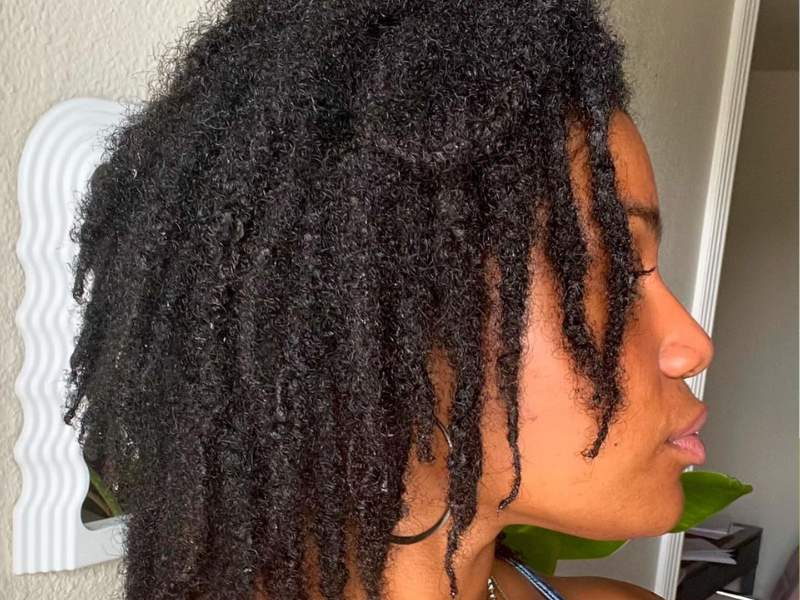
How to Fix Frizzy Locs Without Retwisting Them: 11 Easy Ways.
Have you ever looked at your locs in the mirror and thought, “Why do my locs look so fuzzy when I just want them to look neat?” You may be tempted to grab your retwisting products and start twisting your roots again, but you don’t always need another retwist to make frizzy locs look more polished.

A little frizz is completely normal with locs. New growth, moisture, sleeping, humidity, manipulation, and the natural maturing process can all cause loose hairs to stick out. The good news is that you can often tame frizzy locs without retwisting them, especially when you want to maintain a neat appearance between retwists.
Whether your locs are new or mature, the goal isn’t necessarily to eliminate every loose hair. Instead, you want to manage the frizz gently without putting unnecessary tension on your roots.
In this guide, you’ll learn how to fix frizzy locs without retwisting them using simple techniques you can incorporate into your regular loc care routine.
What Causes Frizzy Locs?
Before learning how to manage frizz, it helps to understand why it happens.
Locs naturally go through different stages, and loose hairs are part of the process. As your hair grows, new strands emerge from your scalp and may not immediately become part of the loc.
Friction can also contribute to frizz. Sleeping on cotton pillowcases, constantly touching your locs, wearing certain hairstyles, or rubbing your hair against clothing can cause loose hairs to appear.
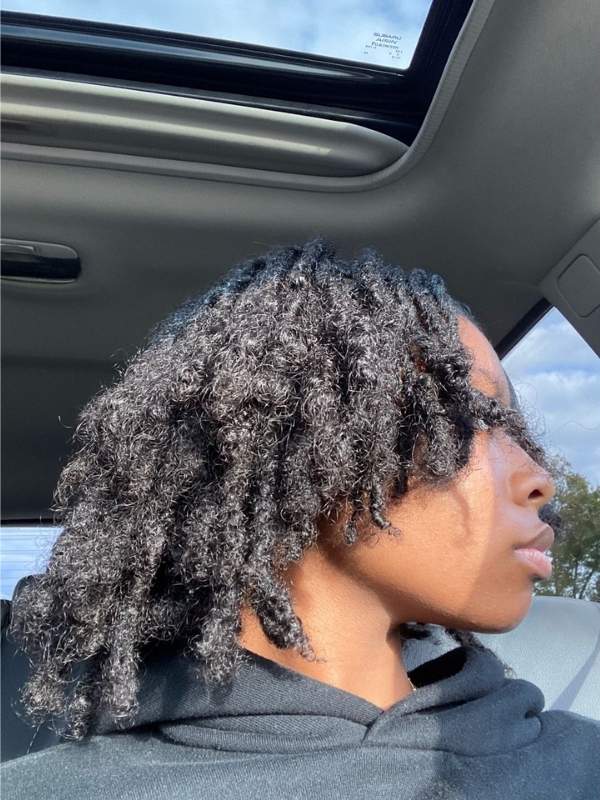
Humidity is another common reason locs become fuzzy. Moisture in the air can cause the hair to swell and make loose strands more noticeable.
Your locs may also look frizzier when they are approaching their next retwist or maintenance session.
Understanding this is important because frizz doesn’t automatically mean that something is wrong with your locs. I have a guide that teaches What Mature Locs Look like: and 11 signs your locs are fully mature
11 Ways to Fix Frizzy Locs Without Retwisting Them
1. Lightly Mist Your Locs With Water
One of the simplest ways to make frizzy locs look more manageable is to lightly mist them with water.
You don’t want to completely soak your hair. Instead, use a spray bottle to create a light mist and gently apply it to your locs.
Once your hair is slightly damp, use clean hands to gently smooth loose hairs back toward the loc.
Avoid aggressively rubbing or pulling the hair. The goal is simply to encourage the loose strands to lie closer to the loc.
Allow your locs to air dry afterward.
This method is particularly useful when your locs look fuzzy because they are dry. If you want to know how to fix thinning locs and prevent them from getting worse go through this guide for more useful information
2. Use a Lightweight Loc-Friendly Moisturizer
Dry hair can sometimes appear more frizzy, so keeping your locs properly moisturized can help them look healthier and more manageable.
Choose a lightweight product that works well with your hair and doesn’t leave heavy buildup.
Apply a small amount to your hands and gently smooth it over your locs.
You don’t need to coat your hair with product. Using too much can create buildup inside your locs, which can become difficult to remove.
A little product is often enough.
3. Smooth Loose Hairs With Clean Hands
Sometimes you don’t need any product at all.
If you notice a few hairs sticking out, gently smooth them back into the loc using your fingertips.
Start at the area where the loose hairs are coming out and carefully guide them toward the loc.
Don’t pull hard or twist the hair tightly.
This is a quick solution when you’re getting ready for work, school, an event, or simply want your locs to look a little neater.
4. Use a Satin or Silk Scarf at Night
Your nighttime routine can make a huge difference in how your locs look the next morning.
Friction between your hair and a cotton pillowcase can contribute to frizz and dryness.
Before going to bed, cover your locs with a satin or silk scarf or bonnet that comfortably accommodates your hair.
Make sure you don’t tie it so tightly that it puts pressure on your hairline or roots.
You can also use a satin or silk pillowcase as an additional option.
Reducing nighttime friction won’t eliminate natural loc frizz, but it can help minimize unnecessary fuzziness.
5. Try a Loc-Friendly Holding Product
If you have an important event coming up and want your locs to look more polished, a small amount of a suitable holding product can help control loose hairs.
Apply a tiny amount to your fingertips rather than putting a large amount directly onto your hair.
Gently smooth the product over the fuzzy areas.
Avoid repeatedly applying heavy gels or waxes because excessive product can lead to buildup.
The purpose is to temporarily tame the loose hairs, not to completely freeze your locs into place.
6. Use a Soft Loc Tool Carefully
Some people use a soft toothbrush or specially designed loc tool to help smooth loose hairs.
If you decide to try this, choose something clean and gentle.
Work carefully around the loc rather than aggressively brushing through it.
Never force loose hairs into the loc or repeatedly manipulate the same area.
This method is best for occasional grooming rather than something you need to do every day.
7. Avoid Constantly Touching Your Locs
One habit that can make frizz worse is constantly playing with your locs.
Twisting, pulling, separating, or running your fingers through your locs throughout the day can create more friction and manipulation.
It can also contribute to unnecessary stress around your roots.
Once you’ve styled your hair, try to leave it alone as much as possible.
Your locs don’t need to be perfectly smooth every minute of the day.
8. Choose Low-Manipulation Hairstyles
If you’re between retwists and your locs look fuzzy, wearing a simple low-manipulation style can help disguise frizz.
You can try:
- A loose bun
- Half-up, half-down locs
- A loose ponytail
- Simple barrel-style arrangements
- Loose side styling
The key is to avoid hairstyles that pull tightly on your roots.
A hairstyle should help you feel comfortable and confident without creating unnecessary tension.
9. Don’t Overwash Your Locs
Washing your locs is an important part of maintaining a healthy scalp and hair, but excessive washing or harsh cleansing can leave some hair feeling dry.
If your locs become particularly dry after washing, consider whether your cleansing routine is too harsh for your hair.
Use a cleanser appropriate for locs and make sure you rinse thoroughly.
After washing, allow your locs to dry completely.
Moisture trapped inside locs for too long can contribute to unpleasant odors and other problems, so proper drying is important.
10. Give Your Locs Time to Mature
If you have starter locs, frizz is especially normal.
New locs often look fuzzy because the hair is still forming and matting together.
You may see loose hairs around the locs, uneven sections, and changing textures.
Trying to make starter locs perfectly smooth all the time can lead to excessive manipulation.
Instead, give your locs time to develop.
The appearance of your locs will naturally change as they mature.
What looks like “frizz” today may simply be part of your hair’s normal locing process.
11. Don’t Retwist Too Frequently
This may sound surprising, especially for a post about fixing frizzy locs without retwisting, but one of the best ways to manage your locs is to avoid feeling like you need to retwist every time you notice frizz.
Retwisting too frequently can place repeated tension on the same areas of your hair.
Over time, excessive tension may contribute to weak roots and thinning.
Instead, learn to distinguish between normal new growth and a genuine need for maintenance.
Your locs don’t have to look freshly retwisted all the time to be healthy and beautiful.
How to Make Frizzy Locs Look Neater Between Retwists
If your main concern is appearance, you don’t have to completely eliminate frizz.
Start by lightly misting your locs with water and gently smoothing the loose hairs with your fingertips.
If your hair needs moisture, use a lightweight product sparingly.
Then put your locs into a simple, loose style that doesn’t pull on your roots.
At night, protect your hair with satin or silk to reduce friction.
This simple routine can help your locs look more polished without requiring another retwist.
How Often Should You Retwist Locs?
There isn’t one perfect retwisting schedule for everyone.
Your hair type, loc maturity, growth rate, preferred appearance, and maintenance method all affect how often you may want to retwist.
Some people prefer a more defined appearance, while others are comfortable with more new growth.
Instead of retwisting simply because your locs look fuzzy, pay attention to the condition of your roots and how your hair feels.
If your roots are becoming weak, sore, excessively thin, or showing signs of tension, it’s worth reducing manipulation and considering professional advice from an experienced loctician.
Can You Have Neat Locs Without Retwisting?
Absolutely.
Neat locs don’t have to mean perfectly smooth roots.
Healthy locs can have new growth, loose hairs, and natural texture while still looking beautiful.
Using gentle grooming techniques, protecting your hair at night, keeping your scalp clean, and choosing low-manipulation styles can help you maintain a polished appearance between maintenance sessions.
The goal should be healthy and comfortable locs rather than perfectly controlled locs.
What to Avoid When Fixing Frizzy Locs
When trying to make your locs look smoother, it’s easy to go too far.
Avoid repeatedly twisting the same sections of hair.
Don’t pull loose hairs tightly into the loc.
Avoid using excessive amounts of wax, gel, or heavy oils.
Don’t brush your locs aggressively.
And don’t sacrifice the health of your roots simply to achieve a freshly retwisted appearance.
A little frizz is normal, and trying to eliminate every single loose strand can sometimes cause more harm than good.
Frequently Asked Questions About How to Fix Frizzy Locs
Why are my locs so frizzy?
Your locs may look frizzy because of new hair growth, dryness, humidity, friction, sleeping habits, manipulation, or the natural maturing process. Some amount of frizz is completely normal, particularly with newer locs.
How can I fix frizzy locs without retwisting them?
You can lightly mist your locs with water, gently smooth loose hairs with clean hands, use a small amount of suitable lightweight product, protect your hair at night with satin or silk, and wear low-manipulation hairstyles.
Does frizz mean my locs are unhealthy?
No. Frizz does not automatically mean that your locs are unhealthy. Loose hairs and new growth are normal parts of having locs. However, excessive dryness, breakage, thinning, or scalp discomfort may indicate that your hair needs more attention.
Can water reduce frizz in locs?
Lightly misting your locs with water can temporarily help make loose hairs more manageable, especially when your hair feels dry. Avoid keeping your locs constantly wet, and make sure they dry completely.
Can I use gel on frizzy locs?
A small amount of a suitable holding product may temporarily smooth loose hairs. However, using too much product can contribute to buildup. Avoid repeatedly layering heavy products onto your locs.
How do I keep my locs neat between retwists?
Protect them while sleeping, avoid excessive touching, keep your scalp clean, moisturize appropriately, and use gentle styling techniques to manage loose hairs.
Should I retwist my locs every time they get frizzy?
No. Frizz alone doesn’t necessarily mean that your locs need a retwist. New growth and loose hairs are normal. Retwisting too frequently can place unnecessary tension on your roots.
Does sleeping with a satin bonnet help frizzy locs?
Yes, a satin or silk bonnet can help reduce friction while you sleep. This may help minimize unnecessary dryness and fuzziness compared with sleeping directly on a rough cotton surface.
Why are my starter locs so frizzy?
Starter locs are often naturally fuzzy because the hair is still beginning to form into locs. Loose hairs and changing textures are normal during the early stages. Excessive manipulation to make them perfectly neat can interfere with the natural locking process.
How do I make my locs look neat without a retwist?
Lightly moisturize if needed, gently smooth loose hairs, protect your locs at night, and choose a loose low-manipulation hairstyle. Remember that neat locs don’t have to have perfectly smooth roots.
Can frizzy locs become less frizzy as they mature?
Yes. As locs mature and the hair becomes more established within the loc, they may appear less fuzzy. However, some natural frizz and new growth can continue even with mature locs.
When should I see a loctician about frizzy locs?
Consider speaking with an experienced loctician if your concern involves significant thinning, weak roots, breakage, persistent scalp discomfort, or difficulty maintaining your locs. A professional can examine your locs and recommend an appropriate maintenance routine.
A Simple Frizz-Free-Looking Routine for Your Locs
You don’t need a complicated routine to make your locs look more polished between retwists.
In the morning, lightly mist your locs if they feel dry and gently smooth obvious loose hairs with your fingertips.
During the day, avoid constantly touching, pulling, or twisting your locs.
At night, cover your locs with a satin or silk bonnet or use a satin or silk pillowcase to reduce friction.
When styling, choose loose, low-tension hairstyles rather than pulling your roots tightly.
And most importantly, don’t panic when you see a little frizz. Your locs are allowed to have texture, new growth, and personality. Learning how to manage that natural frizz without constantly retwisting can help you maintain a healthier and more relaxed loc care routine.