Sisterlocks vs Traditional Locs: Which One Is Right for You?
You have probably seen someone with tiny, neat Sisterlocks and thought, “I love those!” Then you see someone else rocking thick, beautiful traditional locs and suddenly you are wondering, “Wait… which one should I actually get?”
Choosing between Sisterlocks and traditional locs is more than deciding how you want your hair to look. It can affect how much you spend, how often your hair needs maintenance, the hairstyles you can create, and how much time you will dedicate to your loc journey.
Both options can be beautiful, versatile, and long-lasting, but they are not exactly the same. Sisterlocks are known for their small, uniform appearance and specialized installation and maintenance process, while traditional locs offer more freedom when it comes to size, parting, starting methods, and overall appearance. Go through my guide on 9 gorgeous birthday locs style that steal the spotlight
So, Sisterlocks vs traditional locs, which one is right for you?
The answer depends on your personal style, budget, lifestyle, maintenance preferences, and the type of locs you picture yourself wearing for years to come.
In this guide, we will break down the major differences between Sisterlocks and traditional locs, including their appearance, installation, maintenance, cost, styling options, and pros and cons, so you can make a choice that feels right for you.
What Are Sisterlocks?
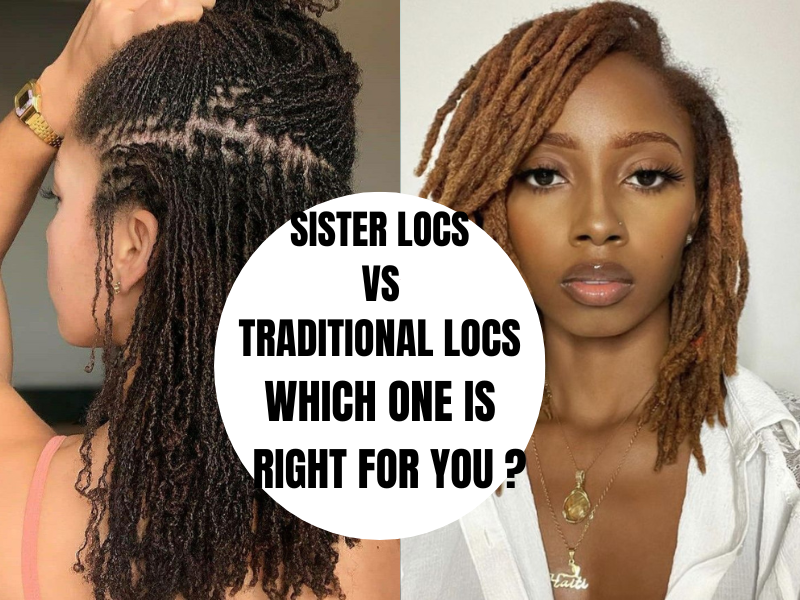
Sisterlocks are a specialized loc system created using a precise technique that produces very small, uniform locs. Unlike traditional locs, which can be started using several different methods, Sisterlocks are installed using a specific locking technique and are generally maintained through professional retightening.
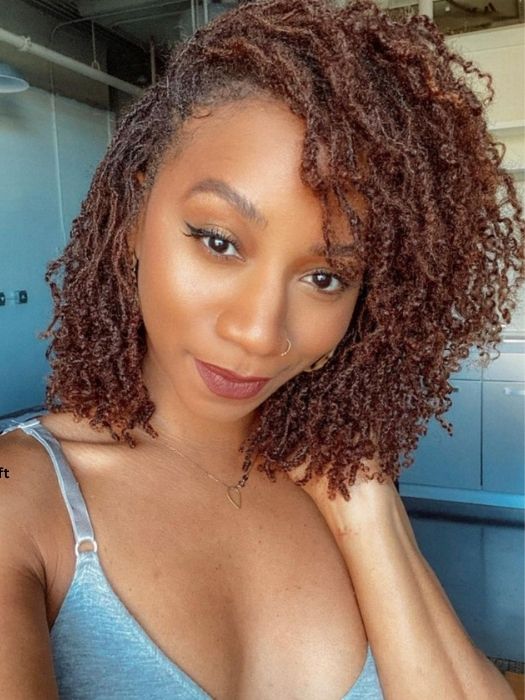
One of the features people love most about Sisterlocks is their size. Because the locs are much smaller than many traditional locs, they can give the hair a lightweight and versatile appearance. They can also be styled in numerous ways, including braids, updos, ponytails, twists, and other creative hairstyles.
However, Sisterlocks also require a significant commitment. The installation process can take many hours, depending on the length and density of your hair, and the initial cost can be considerably higher than starting traditional locs.
This makes Sisterlocks particularly appealing to people who love the look of tiny locs and are comfortable investing in professional installation and regular maintenance.
What Are Traditional Locs?
Traditional locs are formed by allowing sections of hair to lock and mature over time. They can be started using different techniques, including two-strand twists, comb coils, braids, twists and rip methods, or other methods depending on your hair and the look you want.
One of the biggest advantages of traditional locs is the freedom they offer.
You can choose whether you want your locs to be small, medium, or large. You can also have different parting patterns and customize the overall appearance of your locs based on your personal preference.
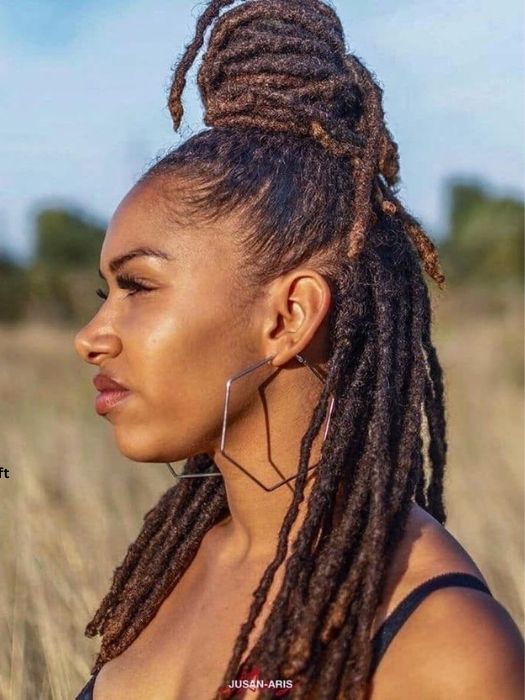
Traditional locs can also be more accessible for people working with a smaller budget because there are many ways to start and maintain them. Some people choose to have a loctician handle their hair, while others learn to maintain their locs themselves.
As traditional locs mature, they develop their own character. Two people can start with similar locs and eventually have completely different results based on their hair characteristics, maintenance routine, lifestyle, and how their locs mature.
Sisterlocks vs Traditional Locs: What Is the Difference?
Although both Sisterlocks and traditional locs involve allowing the hair to form locked sections, the two systems differ in several important ways.
The biggest differences usually come down to size, installation, maintenance, cost, styling, and flexibility.
1. Size and Appearance
Sisterlocks are typically much smaller and more uniform than traditional locs. Their small size creates a delicate appearance and allows the hair to be manipulated into many styles.
Traditional locs can come in a much wider range of sizes. You can have small traditional locs, medium locs, or thick, chunky locs depending on how they are started and maintained.
If you already have a particular loc size in mind, this may be one of the first things to consider.
Someone who dreams of tiny, uniform locs may prefer Sisterlocks, while someone who wants more freedom to decide the thickness of their locs may prefer traditional locs.
2. Installation Process
The installation process is another major difference.
Sisterlocks require a specialized technique and are generally installed by a trained Sisterlocks consultant. Because the locs are so small and there are usually many individual locs, the process can take a considerable amount of time.
Traditional locs can be started using several methods. Depending on your preferred method, hair length, and loc size, the process may be quicker and can sometimes be done at home or by a loctician.
This means traditional locs generally give you more flexibility when deciding how you want your loc journey to begin.
3. Cost
Cost is an important factor when comparing Sisterlocks and traditional locs.
Sisterlocks typically have a higher initial installation cost because of the amount of time, precision, and specialized skill involved. You also need to budget for regular retightening appointments.
Traditional locs can be more affordable to start and maintain, although the exact cost depends on your loctician, location, loc size, hair length, and maintenance routine.
If your budget is limited, traditional locs may provide more affordable options.
4. Maintenance
Sisterlocks and traditional locs both require maintenance, but the type of maintenance is different.
Sisterlocks are usually maintained through retightening, where the new growth is carefully incorporated into the existing locs using the appropriate technique.
Traditional locs are commonly maintained through retwisting, interlocking, palm rolling, or other methods depending on the person’s locs and preference.
Neither option should be considered completely maintenance-free. Locs still need proper cleansing, scalp care, moisture management, and careful handling to remain healthy.
5. Styling Options
Both Sisterlocks and traditional locs can be styled beautifully, but their size can influence the types of styles you can create.
Sisterlocks are particularly versatile because their small size allows them to be manipulated into intricate styles. Traditional locs can also be extremely versatile, especially when they are long enough for buns, ponytails, updos, braids, and other styles.
However, the thickness of traditional locs can affect which styles are practical. Very thick locs, for example, may not be as easy to manipulate into certain intricate hairstyles.
6. Installation Time
Don’t be surprised if installing Sisterlocks takes much longer than you expected.
Because Sisterlocks involve creating many tiny individual locs, the installation can take several hours and may sometimes require more than one session.
Traditional loc installation time varies considerably depending on the method, number of locs, hair length, and desired size.
If you are someone who does not enjoy sitting for long periods for a hair appointment, this is worth considering before making your decision.
Sisterlocks vs Traditional Locs: Which Is More Expensive?
In most cases, Sisterlocks are more expensive to start and maintain than traditional locs.
The reason is largely connected to the specialized installation process and the amount of time required to create and maintain the small locs.
Traditional locs can be less expensive because you have more options for how they are started and maintained. Some people also learn to retwist or maintain their own locs after learning the proper techniques.
However, prices vary, so it is best to check the actual installation and maintenance costs in your area before making a decision.
Remember that the cheapest option is not automatically the best option. Your choice should also take into account the quality of installation, the condition of your hair, and whether the maintenance routine is realistic for you. see How to style your loc when you are bored with your look
Which One Is Easier to Maintain?
Neither Sisterlocks nor traditional locs are completely maintenance-free, but the experience can be different.
Sisterlocks usually require regular professional retightening to keep the small locs neat and properly maintained. This means you need to be comfortable scheduling and paying for maintenance appointments.
Traditional locs can offer more flexibility. Depending on your locs and the maintenance method you choose, you may be able to maintain them yourself or visit a loctician when needed.
If having more control over your maintenance routine is important to you, traditional locs may be the better option.
However, regardless of which type you choose, healthy locs still need regular cleansing, proper scalp care, gentle handling, and protection from excessive tension.
Who Should Choose Sisterlocks?
Sisterlocks may be a good choice for you if you:
- Love very small, uniform locs
- Want a refined and versatile appearance
- Enjoy experimenting with different hairstyles
- Are comfortable with professional maintenance
- Have the budget for installation and regular retightening
- Want a structured loc system
If these points sound like you, Sisterlocks may be worth considering. Just make sure you understand the financial and maintenance commitment before getting started.
Who Should Choose Traditional Locs?
Traditional locs may be a better fit if you:
- Want more freedom over your loc size
- Prefer to choose your own starting method
- Want potentially lower installation and maintenance costs
- Like the natural, customizable appearance of traditional locs
- Want more control over how your locs are maintained
- Prefer a more flexible approach to your loc journey
Traditional locs can give you plenty of room to make your loc journey your own. You can experiment with size, parting, starting methods, and maintenance routines based on your preferences.
Sisterlocks vs Traditional Locs for Beginners
If you are completely new to locs, deciding between Sisterlocks and traditional locs can feel overwhelming. Both can be beautiful choices, but it is important to think about what you want your hair to look like and how much time and money you are willing to invest.
Sisterlocks may be a good option for beginners who already know they want very small locs and prefer a structured system. Since the installation and maintenance require specialized techniques, working with a trained professional can also give you guidance at the beginning of your loc journey.

Traditional locs may appeal more to beginners who want flexibility. You can choose from different starting methods and decide how thick or thin you want your locs to be. You may also have more options when it comes to finding someone to install and maintain them.
Before starting either one, look at mature examples of both Sisterlocks and traditional locs. Starter locs can look very different from mature locs, so understanding how your chosen style may develop over time can help you avoid making a decision based only on how the hair looks during the first few months.
Sisterlocks vs Traditional Locs for Different Lifestyles
Your daily lifestyle should also play a role in your decision.
If you have a busy schedule and prefer having a predictable maintenance routine, Sisterlocks may work well if you are comfortable keeping up with regular retightening appointments.
Traditional locs can also be convenient for busy people, especially once they are mature and you have established a simple maintenance routine. Depending on your locs and maintenance method, you may have more flexibility in deciding when to retwist or visit a loctician.
Think about your schedule before committing. If regular professional appointments are difficult for you to maintain, the ongoing requirements of Sisterlocks may be something you need to consider carefully.
Can You Style Sisterlocks and Traditional Locs the Same Way?
Both Sisterlocks and traditional locs offer plenty of styling possibilities, but they may not offer exactly the same experience.
Sisterlocks are small enough to be arranged into many intricate styles. You can experiment with buns, ponytails, braids, half-up styles, twists, and other creative looks as your locs become long enough.
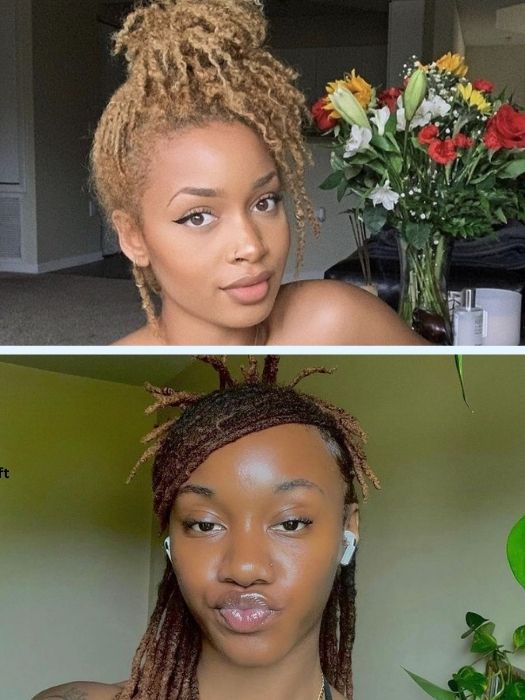
Traditional locs can also be styled in many ways. The possibilities may depend more heavily on the thickness and length of your locs. Medium-sized and smaller traditional locs can offer considerable versatility, while very thick locs may be more limited when it comes to certain intricate styles.
Another important consideration is tension. Just because a loc style is possible does not mean your hair should be pulled tightly into it. Repeated tension can put unnecessary stress on your roots and may contribute to thinning or breakage.
What Should You Consider Before Choosing Your Loc Type?
Before making your final decision, consider more than just the appearance you like on Pinterest or social media.
Your Budget
Think about both the initial installation and the ongoing maintenance. A hairstyle that fits your budget at the beginning may become expensive if the maintenance costs are difficult for you to keep up with.
Your Preferred Loc Size
Do you picture yourself with tiny, delicate locs, or do you prefer thicker, more noticeable locs?
If you already have a strong preference, this can make your decision much easier.
Your Maintenance Preference
Ask yourself whether you are comfortable with regular professional appointments or whether you would rather have more freedom to maintain your locs yourself.
Your Styling Goals
If you love intricate hairstyles and want extremely small locs, Sisterlocks may appeal to you. If you prefer having more control over your loc size and overall structure, traditional locs may be a better fit.
Your Long-Term Commitment
Locs are a long-term hairstyle, so don’t make your decision based only on what you want today.
Think about how you want your hair to look a year, three years, or even five years from now. Consider whether you will still be comfortable with the maintenance, cost, and appearance of your chosen loc type.
Questions to Ask Yourself Before Starting
Still unsure which one to choose? Ask yourself these questions:
- Do I prefer very small locs or thicker locs?
- Am I comfortable paying for professional installation and regular maintenance?
- How much can I realistically spend on my hair?
- Do I want more freedom to choose my loc size and starting method?
- How important is styling versatility to me?
- Would I rather have a structured loc system or a more customizable loc journey?
Your answers can help you see which option fits your lifestyle instead of simply choosing based on appearance.
Things to Remember Before Starting Your Loc Journey
Whichever option you choose, remember that your locs will change as they mature. Your starter locs may not look exactly like the mature locs you see in pictures online.
Your hair will also respond to the loc process differently depending on factors such as your hair characteristics, maintenance routine, and how you treat your locs.
Try not to compare your progress too closely with someone else’s. Two people can start their loc journey around the same time and experience completely different stages of maturation.
Most importantly, choose a loc type that you genuinely love and can realistically care for. The best locs are not necessarily the smallest, thickest, or most expensive ones. They are the ones that make sense for you.
Sisterlocks vs Traditional Locs: Which One Is Right for You?
There is no single answer because the “better” choice depends on what you want from your loc journey.
If you love tiny, uniform locs, appreciate a structured system, and are comfortable investing in professional installation and regular retightening, Sisterlocks may be worth considering.
If you want more freedom with your loc size, starting method, maintenance, and budget, traditional locs may be the better choice.
Before making your decision, think carefully about your lifestyle, budget, preferred appearance, maintenance expectations, and long-term goals.
Both Sisterlocks and traditional locs can become beautiful, versatile hairstyles when they are properly cared for. The most important thing is choosing the option that you can enjoy and maintain comfortably for the long term.
Your loc journey does not have to look like anyone else’s. Whether you choose Sisterlocks or traditional locs, give your hair time to grow, mature, and become uniquely yours.