

Dreadlocks, also known as locs or dreads, are a beautiful hairstyle that allows you to embrace your natural hair while expressing your personal style. From short starter locs to long, mature locs, every stage comes with its own beauty and maintenance needs.
However, having locs does not mean you can forget about washing your hair, caring for your scalp, or protecting your roots. Locs need regular cleansing, proper drying, sensible product choices, and gentle handling to remain in good condition. Without a suitable routine, sweat, dirt, dead skin cells, and styling products can accumulate on your scalp and inside your locs.
The good news is that caring for dreadlocks does not require an entire shelf of expensive products. A few suitable hair-care essentials and consistent habits can help you maintain clean locs while protecting your scalp and minimizing unnecessary breakage.
Your routine will depend on several factors, including whether you have starter locs or mature locs, how quickly your scalp becomes oily, how much you sweat, and the products you use. A routine that works for someone with short microlocs may not be ideal for someone with thick, waist-length traditional locs.
In this guide, you will learn how to care for dreadlocks with 11 practical tips, from washing and drying your locs to managing moisture, avoiding product buildup, and protecting your hairline. You will also discover common mistakes to avoid and simple ways to make loc maintenance easier.
Are you just starting your locs ? Here are Starter Locs : 15 Things Nobody Tells You Before Starting Your Loc Journey
1. Wash Your Dreadlocks Regularly
One of the most important parts of caring for dreadlocks is keeping your scalp and hair clean. Some people avoid washing their locs because they worry about unraveling, frizz, or losing the shape of their hairstyle. However, avoiding shampoo for too long can allow sweat, oil, dead skin cells, and product residue to accumulate.
A clean scalp supports good hair hygiene and can help reduce unpleasant odors associated with trapped sweat and buildup.
How often you should wash your locs depends on your scalp, lifestyle, and stage of loc development. Someone who exercises frequently or sweats heavily may need to wash more often than someone with a relatively dry scalp and low activity level.
For many people with mature locs, washing every one to two weeks can be a useful starting point. Others may need a different schedule. The important thing is to avoid leaving your scalp dirty simply because you wear locs.

How to Wash Your Dreadlocks Properly
Follow these steps when washing your locs:
- Wet your locs thoroughly. Allow water to reach your scalp and the length of your locs.
- Apply shampoo to your scalp. Use your fingertips to massage the shampoo gently across your scalp rather than scratching with your nails.
- Cleanse the length of your locs. Let the shampoo move through your locs as you rinse, paying attention to areas where sweat and products may accumulate.
- Rinse thoroughly. Remove the shampoo completely to reduce the risk of residue remaining inside your locs.
- Repeat if necessary. If your locs contain significant product buildup, a second wash may help. Follow the shampoo instructions and avoid excessive scrubbing.
- Squeeze out excess water. Gently press your locs with your hands before moving on to drying.
Choose a shampoo that cleans effectively without irritating your scalp. If you regularly use heavy styling products, an occasional clarifying shampoo may help remove residue. However, clarifying products can be drying, so choose one suited to your hair and use it according to its instructions.
Shop this Good Quality Shampoo from Amazon, for your Locs washing.
Helpful tip: If your locs are new, speak with your loctician about washing techniques suitable for your installation method. Starter locs can unravel more easily than mature locs, but they still need appropriate cleansing.
If you are confused on How Often Should You Retwist Your Locs? Signs You’re Retwisting Too Often or Not Enough Go through this article to get the answers you need.
2. Dry Your Locs Completely After Washing
Washing your locs is only half of the process. Drying them properly is equally important because locs can retain moisture inside their dense structure long after the outer surface feels dry.
If you regularly leave your locs damp for extended periods, trapped moisture and product residue can contribute to unpleasant odors and other problems.
This is particularly important if you have thick locs, long locs, or a large number of locs gathered into a heavy hairstyle.
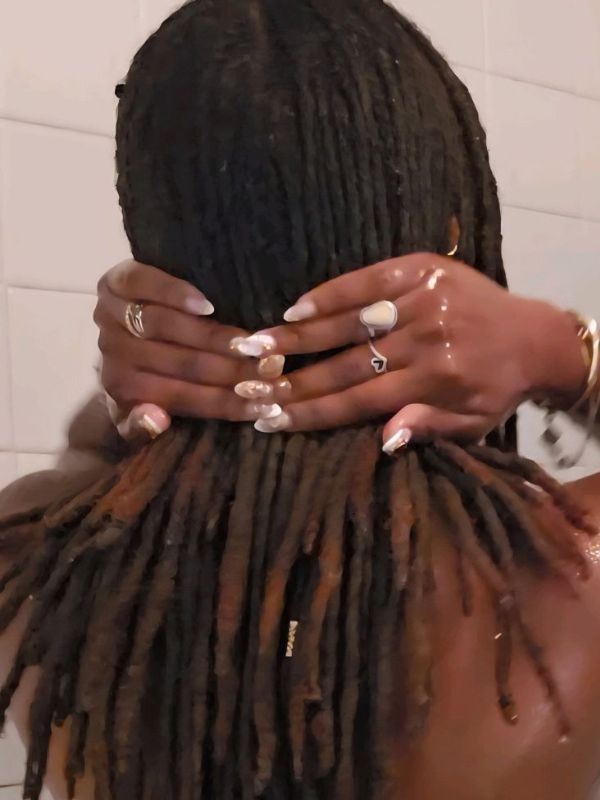
How to Dry Dreadlocks Properly
After washing your locs, gently squeeze out excess water with your hands. You can then use a clean microfiber towel or another soft, absorbent towel to press out additional moisture.
Avoid rubbing your locs aggressively with a towel because excessive friction can disturb the surface of your hair and create unnecessary frizz.
Allow your locs to air-dry in a well-ventilated area when practical. If you use a blow dryer, choose a suitable low or moderate heat setting and move the dryer around rather than concentrating heat on one section for too long.
Pay particular attention to the roots, the nape of your neck, and the inner sections of thick locs. These areas may take longer to dry.
Before going to bed, check that your locs are completely dry. If they still feel damp inside, allow more time for drying.
Helpful tip: A microfiber hair towel From Amazon can be a useful addition to your loc-care routine because it absorbs water without requiring vigorous rubbing.
Microlocs for Beginners: 9 Things to Know Before Starting Your Loc Journey Find out your answers in this article.
3. Keep Your Scalp Clean and Comfortable
Healthy-looking locs begin with proper scalp care. Your scalp naturally produces oil and sheds dead skin cells, while sweat and styling products can accumulate between washes.
If you ignore your scalp for too long, you may notice itching, flakes, unpleasant odors, or visible residue around your roots.
A good scalp-care routine starts with regular cleansing and paying attention to changes in your skin.
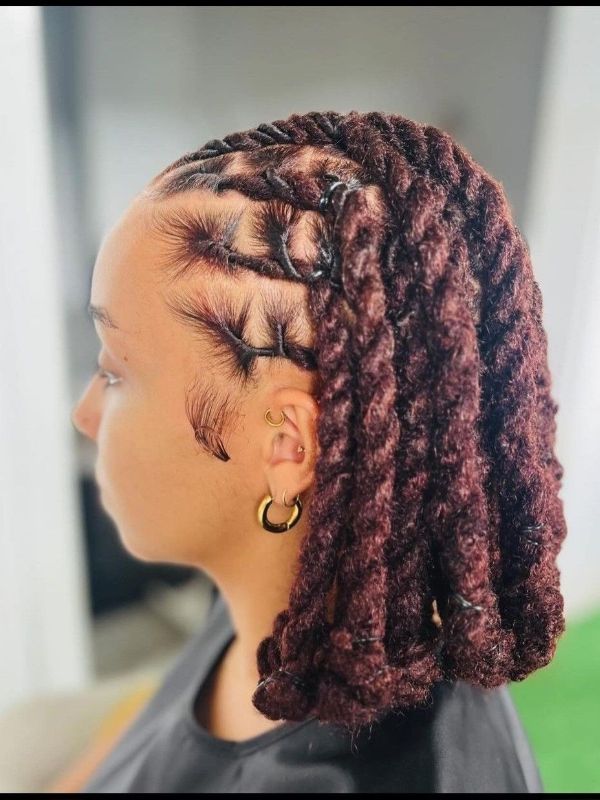
Ways to Care for Your Scalp
- Wash your scalp regularly using a suitable shampoo.
- Massage gently with your fingertips rather than scratching with your nails.
- Avoid applying large amounts of heavy oil or styling cream directly to your scalp.
- Rinse away shampoo and other products thoroughly.
- Pay attention to persistent itching, redness, soreness, or unusual flaking.
Buy this good quality shampoo from Amazon for a good results on your locs.
It is also important to understand that not every itchy scalp is caused by dryness. Dandruff, irritation from hair products, and other scalp conditions can produce similar symptoms.
If you have persistent itching or flaking, consider speaking with a dermatologist. A medicated shampoo may be appropriate for some scalp conditions, but the correct treatment depends on the cause.
Here is How to Start Comb Coils for Starter Locs on Short Hair
4. Moisturize Your Locs Without Creating Buildup
Moisture is another important part of caring for dreadlocks. Although locs do not need to be coated in oil every day, they can still become dry, rough, or brittle.
The challenge is finding a routine that helps your hair without leaving heavy residue trapped inside the locs.
Water is an important source of hydration for hair. Depending on your needs, a lightweight, water-based leave-in product may also help. Some people find that a small amount of a suitable oil helps reduce moisture loss, but oil should not replace cleansing or be treated as a substitute for water.
How to Moisturize Dreadlocks
Start with a simple routine:
- Use clean water or a suitable lightweight moisturizing mist when your locs need refreshing.
- Apply a small amount of a compatible leave-in product if your hair benefits from it.
- Avoid soaking your locs unnecessarily between washes.
- Allow your hair to dry thoroughly after refreshing it.
- Observe how your locs respond and adjust the routine if you notice residue or persistent dryness.
You do not need to apply several products at once. Too many creams, gels, oils, and butters can accumulate inside locs, particularly if you do not wash them out thoroughly.
If your locs frequently feel dry despite regular care, consider whether your shampoo is too harsh, your scalp is irritated, or your routine needs adjustment.
Helpful tip: Start with a small amount of product. You can always adjust your routine later, but removing heavy buildup from locs may take additional cleansing.
5. Choose the Right Products for Your Dreadlocks
Not every hair product is suitable for locs. Products that work well for loose natural hair may leave residue when used heavily on hair that is formed into dense sections.
The goal is to choose products that clean your scalp, support your hair’s condition, and rinse away without leaving unnecessary buildup.
Products Worth Considering from Amazon
Residue-conscious shampoo: Choose a shampoo that cleans your scalp and locs effectively. Some people prefer shampoos marketed specifically for locs, but the label alone does not guarantee that a product will suit your hair.
Lightweight moisturizing spray: A water-based mist may help refresh locs when they feel dry. Choose a product that does not leave a heavy coating.
Satin bonnet or scarf: A suitable covering can reduce friction between your locs and bedding while you sleep.
Soft hair ties: These can help secure your locs without the snagging associated with some tight elastic bands.
Products to Use Carefully
Heavy waxes, thick butters, sticky gels, and large amounts of styling cream may accumulate inside your locs. This is particularly likely when products are applied repeatedly without adequate cleansing.
You do not necessarily need to avoid every oil or cream. Instead, consider how much you use, how well it rinses out, and whether your locs develop residue over time.
Amazon Products to Consider
- A lightweight spray bottle for refreshing hair.s.
- A satin pillowcase.
- A soft hair tie suitable for thick hair
6. Protect Your Locs While Sleeping
Your nighttime routine can make a difference in how your locs look and feel. While you sleep, your hair may rub against your pillowcase, creating friction that contributes to frizz and tangling around the roots.
A satin bonnet, scarf, or satin pillowcase can help reduce this friction.

How to Protect Your Locs at Night
Before bed, make sure your locs are dry. If they are long enough, you can gather them loosely to keep them from spreading across your pillow.
Wear a satin bonnet or scarf that comfortably accommodates the size and length of your locs. It should not be so tight that it pulls on your hairline or causes discomfort.
If you prefer not to wear a bonnet, a satin pillowcase is another option. Some people use both, depending on their hair length and sleeping habits.
Avoid tying your locs into a tight bun or ponytail every night. Repeated tension can place unnecessary stress on your roots.
If you have starter locs, choose a nighttime routine that protects them without disturbing their formation.
7. Avoid Retwisting Your Locs Too Frequently
Retwisting can help maintain the appearance of locs and organize new growth. However, twisting your roots too tightly or too frequently can cause unnecessary tension.
A neat hairstyle does not automatically mean your roots are healthy. If you repeatedly pull your locs tightly against your scalp, you may increase the risk of breakage and traction alopecia.
Your maintenance schedule should depend on your loc method, hair growth, scalp comfort, and personal styling preferences.
Some people prefer a more defined appearance, while others allow more new growth between maintenance sessions. Both approaches can work, provided the scalp and roots remain healthy.
Signs Your Retwisting Routine May Be Too Tight
Pay attention if you notice:
- Pain during or after retwisting.
- A persistent tight sensation around your scalp.
- Small bumps along your hairline.
- Tenderness around the roots.
- Thinning around the temples or edges.
- Locs that appear to be pulling heavily at the roots.
If a retwist hurts, ask your loctician to loosen the style. Pain is not a necessary part of maintaining locs.
If you notice thinning or ongoing scalp problems, reduce tension and seek professional advice. Hair loss caused by prolonged traction can sometimes become permanent.
Helpful tip: You do not have to retwist every time your new growth becomes visible. Choose a maintenance routine that supports the health of your roots rather than focusing only on neatness.
8. Be Gentle With Starter Locs
Starter locs require particular attention because they are still developing. Depending on the installation method, your locs may unravel, appear frizzy, or change shape as they mature.
These changes do not automatically mean something is wrong.
During the early stages, excessive manipulation can disturb the formation of your locs. Constantly twisting, separating, pulling, or restyling them may make maintenance more difficult.
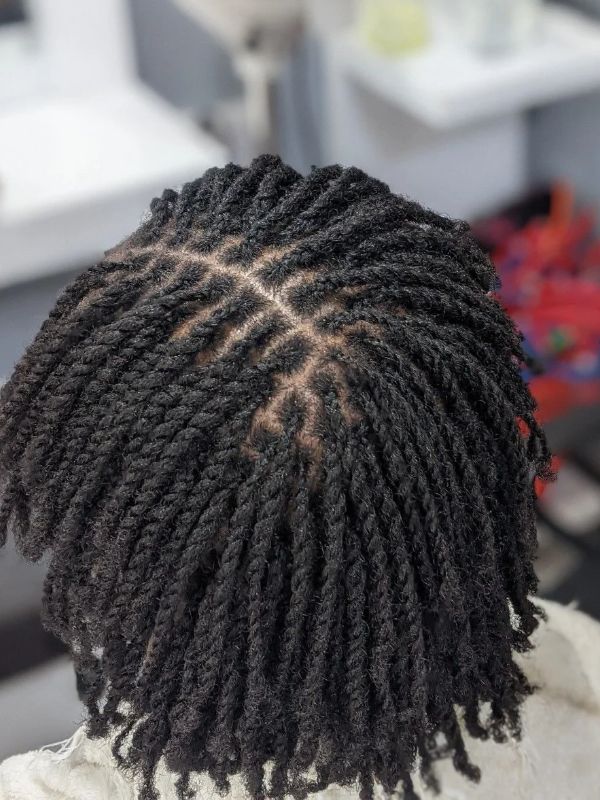
How to Care for Starter Locs
First, follow the maintenance guidance appropriate for your chosen method. Two-strand twist locs, comb coils, interlocked locs, and microlocs may require different approaches.
Second, avoid repeatedly touching or twisting your locs throughout the day. It can be tempting to keep checking their shape, but excessive manipulation may contribute to unraveling or breakage.
Third, use products sparingly. Heavy creams and waxes are not necessary for everyone and can leave residue.
Finally, be patient with the process. Locs do not mature at the same speed, and their appearance can change considerably during the first year and beyond.
If you are considering starting locs, or your locs are still in the early stages, you can connect this article to your starter-locs content.
How Long Do Starter Locs Take to Mature? What to Expect to keep starter locs from unraveling here.
9. Avoid Product Buildup Inside Your Locs
Product buildup is a common concern for people who use several styling products or apply heavy products repeatedly.
Unlike loose hair, locs have a dense structure that can trap residue. Over time, this may leave sections feeling coated, stiff, or unusually heavy.
You may also notice visible residue when your locs become wet.
What Causes Product Buildup?
Common contributors include:
- Using too much styling cream.
- Applying heavy waxes or butters repeatedly.
- Using gels that leave a persistent coating.
- Applying oil frequently without washing adequately.
- Failing to rinse shampoo or other products thoroughly.
The solution is not necessarily to purchase a special detox product immediately. Start by reviewing your routine and identifying products that may be contributing to the problem.
How to Reduce Buildup
Use fewer products and apply them sparingly. Choose products that rinse out effectively, and make sure you wash your scalp and locs thoroughly.
If buildup persists, a clarifying shampoo suitable for your hair may help. Follow its instructions and avoid harsh DIY mixtures that could irritate your scalp or damage your hair.
For severe buildup, consult an experienced loctician who can assess your locs and recommend an appropriate cleansing method.
How to Maintain Sister Locs and Keep Them Looking BeautifulThis article will help you get important information.
10. Protect Your Locs From Breakage and Excessive Tension
Locs can become long and heavy, particularly as they mature. While length can be beautiful, the weight of your hair may place additional strain on the roots, especially when combined with tight hairstyles.
Protecting your locs involves more than choosing the right shampoo. You also need to pay attention to how you style them and how much tension your scalp experiences.
Ways to Reduce Breakage
Avoid very tight hairstyles. High buns and ponytails can create excessive tension if your locs are heavy or tightly secured.
Be careful with accessories. Heavy beads and cuffs may pull on individual locs or create friction.
Do not force your locs into styles that are too tight. Choose a hairstyle that works with your current length and thickness.
Handle wet locs gently. Wet hair can be more vulnerable to damage from rough handling.
Watch your hairline. Repeated pulling around the temples and edges can contribute to traction-related hair loss.
Give your scalp breaks from demanding styles. Wearing your locs loose between elaborate updos can help reduce repeated tension.
If you notice thinning, bald patches, persistent soreness, or changes in the condition of your scalp, seek advice from a dermatologist. Early attention is important when traction-related hair loss is suspected.
11. Maintain a Consistent Loc-Care Routine
The easiest way to care for dreadlocks is to develop a routine you can maintain. You do not need to follow every hair-care trend or purchase every product marketed to people with locs.
Start with the essentials: cleansing, thorough drying, sensible moisture management, gentle styling, and scalp care.
Your routine may change as your locs mature. Starter locs may require different handling from mature locs, while people with active lifestyles may need to wash their hair more frequently.
A Simple Loc-Care Routine
Here is an example of how you might organize your care.
| Routine | What to Do |
|---|---|
| Regularly | Check your scalp, avoid unnecessary pulling, and keep accessories comfortable. |
| When your locs feel dry | Use water or a suitable lightweight moisturizing product if needed. |
| After exercise or heavy sweating | Cleanse your scalp as needed rather than allowing sweat and residue to accumulate for too long. |
| On wash day | Shampoo your scalp and locs thoroughly, rinse well, and dry completely. |
| At bedtime | Protect your locs with a comfortable satin bonnet, scarf, or pillowcase. |
| During maintenance | Check your roots and avoid retwisting too tightly or too frequently. |
| When you notice a problem | Review your routine and seek professional advice for persistent scalp symptoms or hair loss. |
This is a starting point rather than a rigid schedule. Adjust it to your hair, scalp, climate, activity level, and loc maturity.
Consistency matters more than owning a large collection of products.
Common Mistakes to Avoid When Caring for Dreadlocks
Even when you have good intentions, some hair-care habits can make loc maintenance more difficult.
Here are a few mistakes worth avoiding.
1. Avoiding Wash Day for Too Long
Some people believe that washing locs prevents them from maturing. Although newly installed locs may need a suitable washing technique, avoiding cleansing altogether can allow sweat, dirt, and product residue to accumulate.
Develop a washing routine that suits your loc method and scalp needs.
2. Using Too Much Oil
Oil can be part of some loc-care routines, but using large amounts does not automatically make locs healthier. Excessive application can contribute to residue and may leave your scalp feeling greasy.
Use products sparingly and wash your locs as needed.
3. Sleeping With Wet Locs
Locs can retain moisture internally even when their outer surface feels dry. Allow them to dry thoroughly before sleeping to avoid prolonged dampness.
4. Retwisting Too Tightly
Tight retwisting can strain the roots and hairline. If your scalp hurts after maintenance, the style may be too tight.
5. Ignoring Persistent Itching
An itchy scalp may have several causes, including dandruff, product irritation, and other scalp conditions. Do not assume that applying more oil will solve the problem.
If symptoms continue, seek appropriate medical advice.
6. Using Too Many Products
Applying multiple creams, waxes, gels, and oils can leave residue inside your locs. Start with a simple routine and add products only when there is a clear reason to use them.
7. Choosing Hairstyles That Are Too Heavy
Long or thick locs can place considerable weight on the roots. Tight, heavy updos may increase that strain.
Choose comfortable styles and avoid repeatedly pulling your locs in the same direction.
Frequently Asked Questions About Caring for Dreadlocks
1. How Often Should You Wash Dreadlocks?
There is no single washing schedule that works for everyone. Many people with mature locs find that washing every one to two weeks is a useful starting point, but your scalp, lifestyle, activity level, and products may mean you need a different schedule.
If you exercise frequently, sweat heavily, or have an oily scalp, you may need to cleanse more often. Follow an appropriate routine for starter locs and ask your loctician for guidance if you are concerned about unraveling.
2. Should You Moisturize Dreadlocks Every Day?
Not necessarily. Some people benefit from refreshing their locs with water or a lightweight moisturizing product, while others need less frequent application.
Pay attention to how your hair responds. If your locs feel coated or develop residue, reduce product use and review your routine.
3. Can You Wash Starter Locs?
Yes, starter locs still need appropriate cleansing. However, the washing technique should suit your installation method and stage of development.
Ask your loctician how to wash your particular type of starter locs while minimizing unraveling.
4. Why Do My Dreadlocks Smell Bad?
Unpleasant odors can develop when sweat, residue, or moisture remains trapped in locs. Inadequate drying after washing may be one contributing factor.
Wash your scalp and locs appropriately, rinse thoroughly, and allow your hair to dry completely. If an odor persists despite proper cleansing and drying, consult an experienced loctician or healthcare professional to investigate possible causes.
5. How Can I Prevent Buildup in My Locs?
Use styling products sparingly, choose products that rinse out effectively, and wash your locs thoroughly. Avoid repeatedly layering heavy creams, waxes, gels, and oils without cleansing.
If you notice persistent residue, a suitable clarifying shampoo or professional cleansing service may help.
6. Is It Normal for Dreadlocks to Feel Dry?
Locs can feel dry for several reasons, including the cleansing products you use, environmental conditions, and your hair’s natural characteristics.
Review your shampoo and moisturizing routine. A lightweight water-based product may help, but excessive oil or cream can create buildup rather than solve the problem.
7. Can Dreadlocks Cause Hair Loss?
Locs do not automatically cause hair loss. However, heavy locs and repeatedly tight hairstyles can place tension on the scalp and contribute to traction alopecia.
Avoid excessive tension and seek medical advice if you notice thinning around your hairline, bald patches, or persistent scalp pain.
8. Do Dreadlocks Need Special Shampoo?
Not everyone needs a shampoo marketed specifically for locs. What matters is choosing a product that cleans your scalp and hair effectively, suits your hair-care needs, and rinses out properly.
If you use heavy styling products, you may occasionally need a suitable clarifying shampoo.
9. How Can I Keep My Locs Looking Neat?
Keep your scalp clean, maintain your locs according to your chosen method, and choose styles that do not require excessive pulling.
Remember that some frizz and new growth are normal. You do not need to retwist your locs constantly to keep them in good condition.
Conclusion On DreadLocks
Learning how to care for dreadlocks is about developing habits that keep your scalp clean, your locs well maintained, and your roots protected.
Regular cleansing, thorough drying, sensible product use, and gentle styling can make a meaningful difference to your routine. You should also pay attention to how your scalp feels and avoid hairstyles that cause persistent tension.
Your loc-care routine does not have to involve dozens of products. Start with the essentials, observe how your hair responds, and adjust your routine as your locs mature.
Most importantly, remember that healthy locs do not have to look perfectly retwisted every day. Give your hair room to develop naturally while maintaining the cleanliness and care it needs.
With patience and consistency, you can build a loc-care routine that works for your hair and your lifestyle.
How do you care for your locs? Do you have a favorite shampoo, moisturizing method, or nighttime routine? Share your experience in the comments!