10 Easy Sensory Craft Ideas for Kids with Special Needs That Support Learning through Playing.
What if a simple craft could do more than keep a child entertained? What if it could help them communicate, stay calm, improve focus, and build important everyday skills all while having fun?
For many children with special needs, hands-on sensory activities provide opportunities to explore the world in ways that feel comfortable, engaging, and meaningful. Every child learns differently, and sensory crafts create a safe, creative space where children can discover new textures, colors, sounds, and movements at their own pace. Whether it’s squeezing soft materials, painting with their fingers, or creating colorful art, these activities can encourage curiosity while supporting cognitive, social, and motor development.
The Amazing part is that you don’t need Costly equipment or confusing projects to make a difference. With a few everyday craft supplies and a little creativity, parents, caregivers, and teachers can create enjoyable sensory experiences that promote learning through play. These simple activities can help strengthen fine motor skills, encourage self-expression, improve hand-eye coordination, and provide calming moments for children who may become overwhelmed by their surroundings. Go Through My 10 easy zoo animal crafts for preschoolers that spark creativity
In this guide, you will discover 10 easy sensory craft ideas for kids with special needs that support learning. Each activity is designed to be fun, adaptable, and easy to set up, making it perfect for use at home, in the classroom, or during therapy sessions. Most importantly, these crafts celebrate every child’s unique abilities while creating opportunities to learn, grow, and express themselves through creativity.
Let’s gather a few simple supplies and explore sensory crafts that can turn everyday moments into meaningful learning experiences.
1. Sensory Texture Collage Craft
A sensory texture collage is a wonderful way to introduce children to the world of creative exploration while allowing them to experience different materials through touch. This simple craft encourages kids to feel, compare, and describe different textures, making it an engaging activity that supports sensory development and learning. From soft cotton balls to rough paper, smooth fabric, and bumpy craft materials, every piece gives children a new way to explore and express their creativity.
To create this sensory collage, you can use materials you already have around the house or classroom, such as fabric scraps, cotton balls, pom-poms, tissue paper, foam pieces, dried pasta, felt, buttons, or textured paper. You will also need a piece of cardstock or cardboard, child-safe glue, and crayons or markers for adding extra details. The beauty of this craft is that there is no perfect design—children can create freely and make a collage that reflects their own imagination.
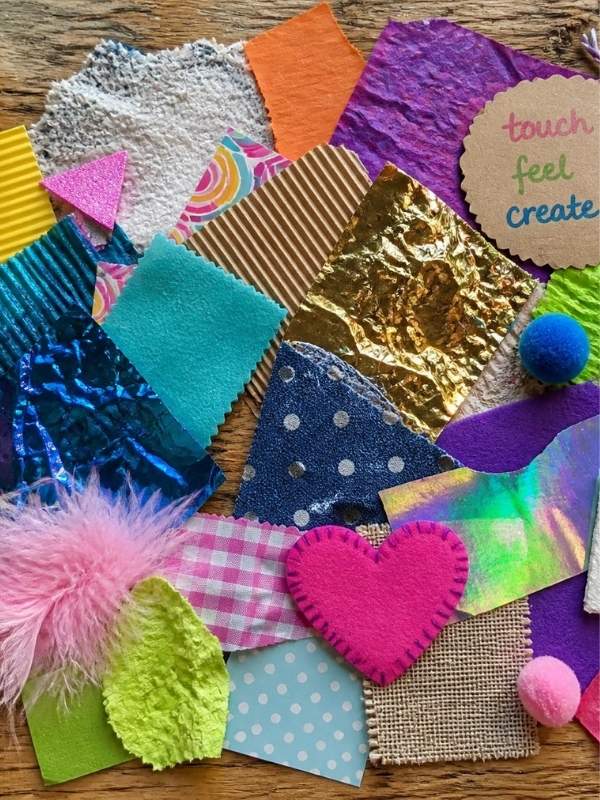
Begin by letting your child explore the different materials before starting the craft. Encourage them to touch each item, notice how it feels, and choose the ones they would like to include. Help them glue the materials onto the cardboard to create their own textured artwork. They can arrange the pieces into patterns, shapes, animals, or any design they imagine.
While creating the collage, you can talk about words that describe each texture, such as soft, rough, smooth, fluffy, or bumpy. This helps build language skills while making the activity more interactive. Children can also practice important skills like grasping materials, applying glue, making choices, and coordinating hand movements. Check my 7 Easy arts and crafts for kids to do when they are bored at home
This sensory texture collage craft is more than just an art project. It provides a calming and creative experience that supports fine motor skills, sensory awareness, problem-solving, and self-expression. If used at home or in a classroom setting, it gives children the freedom to learn through touch, creativity, and hands-on discovery.
2. DIY Sensory Bottle Craft
A sensory bottle is a simple yet powerful craft that can create a calming and engaging experience for children with special needs. Watching colorful objects move, float, and swirl inside the bottle can capture a child’s attention while encouraging visual tracking, focus, and relaxation. This easy sensory craft allows children to explore movement and colors while creating something they can enjoy long after the activity is finished.
To make a sensory bottle, you will need a clear plastic bottle with a secure lid, water, glitter, colorful beads, sequins, small craft items, and strong glue or tape to seal the bottle. You can also add items like buttons, pom-poms, or small waterproof toys to create different effects. The materials you choose can be adjusted based on your child’s interests and sensory preferences.

Start by allowing your child to choose some of the items they would like to add to the bottle. Fill the bottle with water, then let them drop in glitter, beads, or other colorful objects. As they add each item, encourage them to watch how the materials move and change. Once everything is inside, close the lid tightly and secure it with glue or tape to make sure it stays safe during play.
After creating the sensory bottle, shake it gently and watch the objects slowly move through the water. Encourage your child to describe what they see, follow the movement with their eyes, or use it as a quiet activity when they need a calming moment. You can create different bottles with different colors, textures, or themes, such as ocean, rainbow, or nature-inspired designs.
This DIY sensory bottle craft supports learning in many ways. It can help improve concentration, encourage curiosity, develop visual skills, and provide a relaxing sensory experience. It is a wonderful activity for parents, caregivers, and teachers who want to create a simple learning tool that combines creativity, exploration, and fun.
3. Sensory Play Dough Craft
Play dough is one of the best sensory craft materials for children because it allows them to create, squeeze, roll, stretch, and shape their ideas while engaging their senses. This simple sensory craft gives kids with special needs a chance to explore different textures and movements while building important skills through creative play. Whether they are making animals, shapes, letters, or simply enjoying the feeling of the dough in their hands, play dough offers endless opportunities for learning.
You can make a simple homemade sensory play dough using ingredients like flour, salt, water, oil, and food coloring, or you can use store-bought play dough if you prefer a quicker option. To make the activity even more interesting, add safe sensory elements such as glitter, small beads, natural items like dried flowers, or different scents using child-friendly ingredients. These additions create new textures and experiences that encourage children to explore.

Begin by allowing your child to touch and explore the play dough before starting any project. Encourage them to squeeze it, roll it into balls, flatten it, or use tools like cookie cutters and craft sticks to create different designs. Some children may enjoy following a specific idea, while others may prefer open-ended play where they can create anything they imagine. Both approaches support creativity and self-expression.
While playing, you can introduce learning opportunities by practicing colors, counting small pieces, identifying shapes, or creating simple objects together. Rolling and shaping the dough also helps strengthen hand muscles, which are important for everyday activities like holding pencils, using scissors, and completing other fine motor tasks.
This sensory play dough craft is a fun and flexible activity that supports creativity, focus, coordination, and emotional expression. It gives children a chance to learn through touch and movement while enjoying the confidence that comes from creating something with their own hands.
4. Sensory Rainbow Rice Craft
A sensory rainbow rice craft is a colorful and exciting activity that allows children to explore textures, colors, and creativity through hands-on play. The feeling of rice moving through their fingers, the sound it makes as it pours, and the bright colors they can create all combine to make this a wonderful sensory experience for kids with special needs. This activity encourages exploration while creating a relaxing environment where children can learn at their own pace.
To create rainbow rice, you will need uncooked rice, food coloring, a small amount of vinegar or rubbing alcohol, and containers or trays for play. You can prepare different colors of rice by separating the rice into small bags or bowls, adding a few drops of food coloring, and mixing until the rice is evenly coated. Allow it to dry completely before using it for crafting or sensory play.
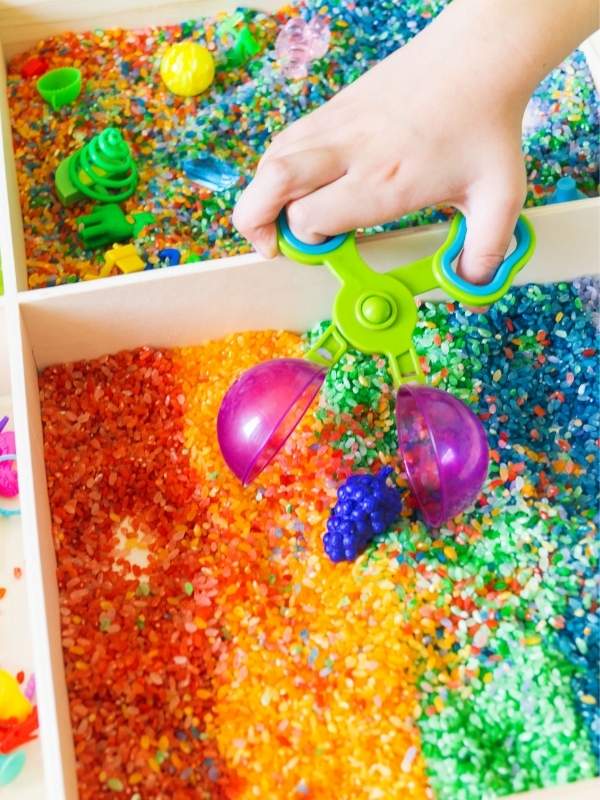
Once your colored rice is ready, invite your child to explore it using their hands, cups, spoons, or small containers. They can scoop, pour, sort, and mix the rice to create different patterns and designs. For a more creative craft experience, children can use glue to attach rainbow rice onto paper and create colorful pictures, letters, shapes, or simple artwork.
As your child plays, you can introduce learning by talking about colors, counting scoops of rice, comparing amounts, or sorting colors into different groups. These simple conversations help build vocabulary, early math skills, and problem-solving abilities while keeping the activity enjoyable.
This sensory rainbow rice craft supports fine motor development, hand-eye coordination, concentration, and creative expression. It is also a great calming activity that allows children to engage their senses in a fun and meaningful way.
5. Sensory Nature Collage Craft
A sensory nature collage is a beautiful way to bring the outdoors into a creative learning activity. This craft allows children to explore natural materials while engaging their sense of touch, sight, and even smell. From the softness of leaves to the rough texture of tree bark, every item provides a new sensory experience that encourages curiosity and creativity.
To create this nature-inspired craft, you can collect simple materials such as leaves, flowers, small twigs, grass, smooth stones, pinecones, or pieces of bark. You will also need a piece of cardboard or thick paper, child-safe glue, and crayons or markers for adding extra details. Before beginning, let your child explore each item by touching and observing the different shapes, colors, and textures.
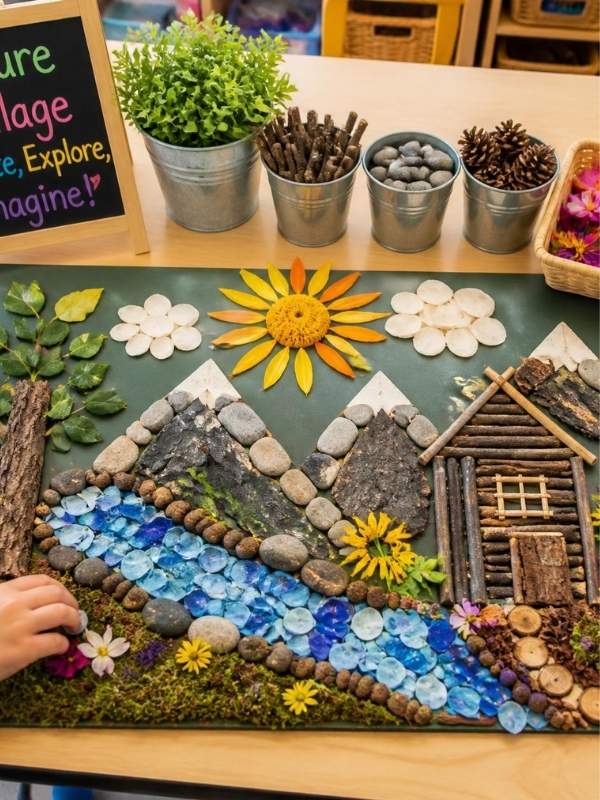
Start by allowing your child to choose the natural materials they would like to include in their collage. They can arrange the items into a picture, create patterns, or make their own imaginative design. Help them glue the pieces onto the paper and encourage them to add drawings or decorations around their nature collection. There is no right or wrong way to create the goal is to let children explore and express their ideas freely.
While working on the collage, talk about the materials they are using and encourage them to describe how each one feels. You can ask questions like, “Is the leaf smooth or rough?” or “Which one feels soft?” These conversations support language development and help children become more aware of their surroundings.
This sensory nature collage craft supports creativity, fine motor skills, sensory exploration, and learning through discovery. It also gives children a chance to connect with nature in a meaningful way while creating a unique piece of artwork they can feel proud of. It is a simple activity that turns everyday outdoor items into a fun and educational sensory experience.
6. Sensory Shaving Cream Art Craft
Sensory shaving cream art is a fun and unique activity that allows children to explore creativity through touch, movement, and imagination. The soft, fluffy texture of shaving cream creates a different sensory experience from traditional painting, making it an exciting option for kids with special needs who enjoy hands-on activities. This craft encourages children to experiment freely while developing important skills through play.
To create this sensory art activity, you will need shaving cream, washable food coloring or liquid paint, a tray or flat surface, and tools such as craft sticks, paintbrushes, or small toys for making designs. You can also use paper to transfer the finished patterns and create a colorful piece of artwork. Always choose child-safe materials and supervise children during sensory play.

Begin by spreading a layer of shaving cream onto a tray or table. Add drops of different colors and allow your child to mix them using their fingers or a tool. They can swirl the colors together, draw shapes, make patterns, or simply enjoy the feeling of moving the soft texture around. For children who may not want direct contact with the shaving cream, tools like brushes or spoons can be used instead.
As your child explores the activity, introduce simple learning opportunities by talking about colors, shapes, and patterns. You can encourage them to create letters, numbers, or pictures in the shaving cream, turning the craft into a fun way to practice early learning skills. The activity can also become a calming experience as children focus on the movements and sensations.
This sensory shaving cream art craft helps support creativity, fine motor development, hand-eye coordination, and sensory exploration. It gives children the freedom to create without worrying about making mistakes, helping them build confidence while enjoying a playful and meaningful learning experience.
7. Sensory Button Sorting Craft
A sensory button sorting craft is a simple activity that combines creativity, learning, and hands-on exploration. Children enjoy the feeling of different buttons in their hands while practicing important skills like sorting, matching, and making choices. This activity is especially helpful for kids with special needs because it allows them to explore textures and colors while strengthening focus and coordination in a fun way.
To create this activity, you will need a variety of large buttons in different colors, shapes, and textures, along with a piece of cardboard, paper, glue, and markers. For safety, choose age-appropriate materials and supervise children, especially when using small objects. You can also use larger craft buttons or other textured items if preferred.
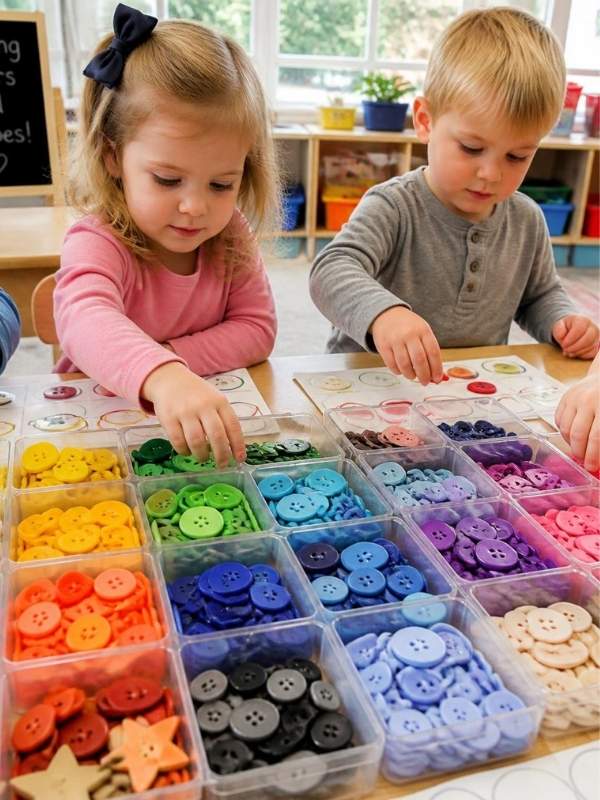
Begin by allowing your child to explore the buttons and notice how each one feels. Encourage them to sort the buttons by color, size, or shape, or let them create their own patterns and designs. For a creative twist, children can glue the buttons onto paper to make pictures such as flowers, animals, trees, or colorful patterns.
While creating, talk about the different features of each button and encourage your child to describe what they see and feel. This supports language development while making the activity more interactive. Sorting and placing buttons also helps improve hand strength, concentration, and fine motor control.
This sensory button sorting craft is a wonderful way to combine play and learning. It encourages problem-solving, creativity, and independence while giving children a chance to explore through touch and movement.
8. DIY Sensory Painting Craft
Sensory painting is a wonderful way for children to experience art beyond traditional brushes and paper. Instead of simply painting a picture, this activity allows kids to explore different textures, tools, and movements while creating something unique. For children with special needs, sensory painting can provide a relaxing and enjoyable way to express emotions and ideas through creativity.
To set up this craft, you can use washable paint, paper or canvas, and a variety of painting tools such as sponges, cotton balls, feathers, bubble wrap, forks, or even toy wheels. Each tool creates a different pattern and texture, giving children the opportunity to experiment and discover new ways of making art.

Begin by placing different materials alongside the paint and allowing your child to choose what they would like to use. They can dip, stamp, brush, or press the materials onto the paper to create interesting designs. Some children may enjoy mixing colors, while others may prefer repeating the same movement to create patterns. Allowing them to explore freely helps build confidence and encourages creativity.
As they paint, talk about the colors they are using, the shapes they are making, and how each tool creates a different mark. This encourages communication, observation, and problem-solving skills while keeping the activity enjoyable.
This DIY sensory painting craft supports fine motor skills, creativity, sensory awareness, and self-expression. It reminds children that art does not have to follow strict rules it can be a personal experience where they learn, explore, and have fun.
9. Sensory Pasta Necklace Craft
A sensory pasta necklace craft is a fun and creative activity that allows children to explore colors, textures, and patterns while creating something they can proudly wear. This simple craft uses everyday materials and encourages children to practice important skills such as grasping, threading, and making choices.
To make this craft, you will need dry pasta with holes, string or yarn, and washable paint if you want to add colorful designs. Large pasta shapes like penne or rigatoni work well because they are easier for little hands to handle. Before starting, you can paint the pasta different colors and allow it to dry completely.

Begin by letting your child explore the pasta pieces and choose the colors they would like to use. Show them how to thread the pasta onto the string, creating patterns or repeating color sequences. Some children may enjoy following a pattern, while others may prefer creating a necklace with random colors based on their imagination.
This activity provides an opportunity to practice counting, color recognition, and pattern-making. While crafting, you can ask questions like “What color comes next?” or “How many pieces have you added?” to turn the activity into a playful learning experience.
Sensory pasta necklace crafts support fine motor development, concentration, creativity, and hand-eye coordination. They are a simple way to help children build confidence while enjoying a hands-on activity that combines art and learning.
10. Sensory Balloon Texture Craft
A sensory balloon texture craft is a unique activity that allows children to explore different feelings and textures while creating a fun learning tool. Balloons filled with various materials can provide children with opportunities to squeeze, touch, and compare sensations, making this an engaging sensory experience for kids with special needs.
To create sensory balloons, you will need balloons and safe filling materials such as rice, flour, cotton balls, or soft fabric pieces. Each filling creates a different texture and resistance, allowing children to discover which sensations they enjoy. Make sure the balloons are securely tied and always supervise children during use.
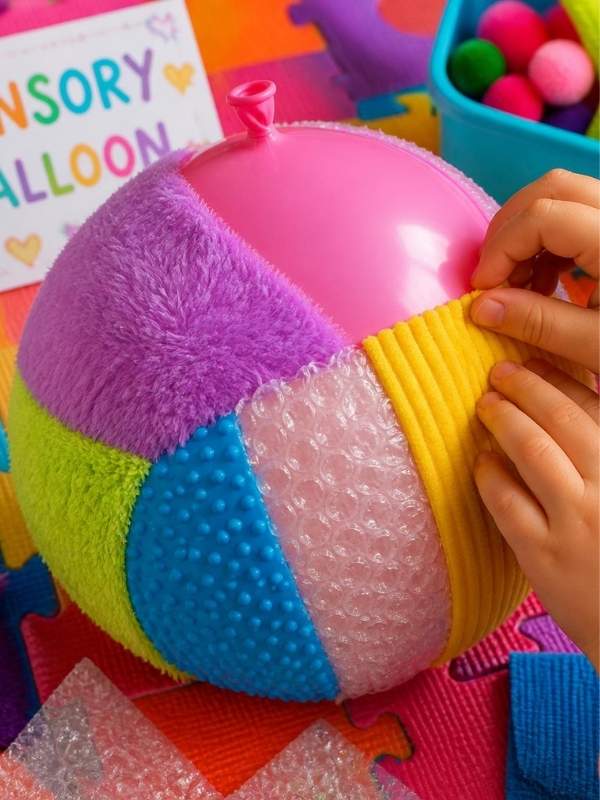
Begin by filling each balloon with a different material and allowing your child to explore how each one feels. Encourage them to squeeze, roll, and compare the balloons. You can also draw faces on the balloons or decorate them to make them more exciting and turn them into friendly sensory characters.
As your child explores the balloons, talk about the differences between them. Ask questions like “Which one feels soft?” or “Which one is heavier?” These conversations help develop language skills, observation, and sensory awareness.
This sensory balloon texture craft supports focus, hand strength, emotional regulation, and exploration through touch. It is an easy and affordable activity that provides children with a fun way to learn while engaging their senses.
Keep Exploring Through Creativity
Sensory crafts are a wonderful reminder that learning can happen in many different ways. Through touching, creating, experimenting, and exploring, children can develop important skills while enjoying activities that feel natural and engaging. These simple sensory craft ideas for kids with special needs provide opportunities for creativity, self-expression, focus, and hands-on learning.
Every child has their own unique way of experiencing the world, and these activities can be adapted to match their interests, comfort level, and abilities. If a child enjoys soft textures, bright colors, messy play, or quiet creative moments, sensory crafts can create meaningful experiences that support growth and confidence.
The most important part is not creating a perfect craft, but allowing children the freedom to explore, make choices, and enjoy the process. With a few simple materials and a little imagination, parents, caregivers, and teachers can turn everyday moments into valuable learning opportunities.
So gather your craft supplies, encourage curiosity, and continue creating sensory experiences that help children learn, grow, and express themselves in their own special way.