
How to Store Unbaked Polymer Clay So It Stays Soft and Ready to Use
If you enjoy making things with polymer clay, you probably know how easy it is to buy a few beautiful colors for one project and then end up keeping the leftovers for another project later.
The problem is that craft supplies have a way of getting messy when they are not stored properly. You may open your polymer clay weeks later and find dust stuck to it, different colors mixed together, or the clay feeling much harder than you remember.
Thankfully, storing polymer clay is not difficult.
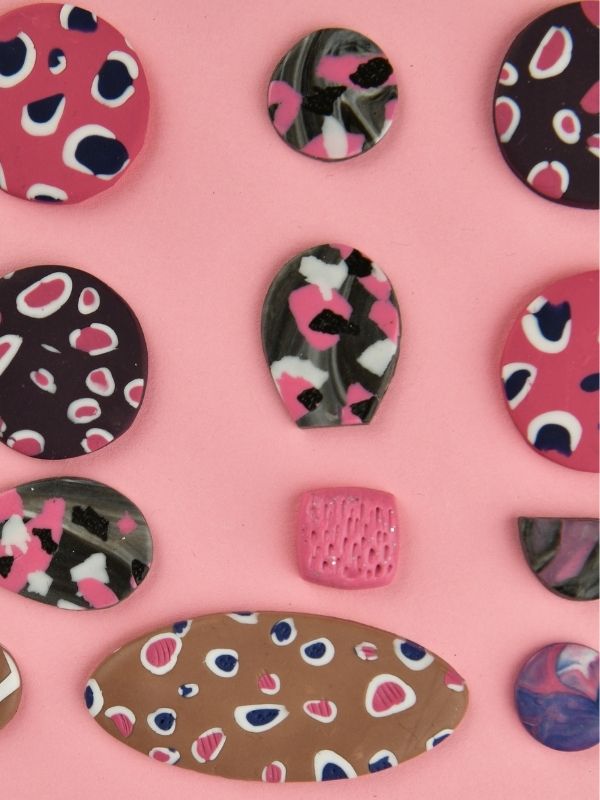
One of the nice things about polymer clay is that it does not air-dry like air-dry clay. So you do not have to bake it immediately just because you have opened the package. With proper storage, you can keep unused polymer clay protected and ready for your next project.
If you have a collection of polymer clay colors sitting around your craft space, here is how I would store them to keep everything clean, organized, and ready to use. check out this post on 10 Air Dry clay ideas that look too pretty to be handmade
Does Polymer Clay Dry Out?
This is probably the first question that comes to mind.
Polymer clay does not dry out simply because you leave it exposed to air. It is different from air-dry clay, which gradually hardens when exposed to air.
Polymer clay stays workable until it is cured with heat according to the instructions provided by the manufacturer.
That said, leaving your clay uncovered is still not a good idea.
Dust, hair, lint, glitter and tiny pieces of other craft materials can easily stick to it. Heat can also affect the clay, and poor storage can make your supplies unnecessarily difficult to work with. I have guide on simple clay ideas you wont believe is handmade
So, even though you don’t have to worry about polymer clay drying out overnight, it still deserves proper storage.
How to Store Unbaked Polymer Clay
1. Keep the Original Packaging
If you still have the original packaging your polymer clay came in, don’t throw it away unnecessarily.
The packaging is there to protect the clay, so keeping the unused portion in its original wrapping can be one of the easiest ways to store it.
After taking out the amount you need for your project, wrap the remaining clay properly before putting it away.
If the original packaging can no longer be closed securely, you can use another suitable protective wrapping or storage method.
2. Wrap Leftover Clay Before Putting It Away
Once I finish working with polymer clay, I don’t like leaving the remaining pieces sitting uncovered on the table.
Even when your workspace looks clean, there is usually some dust or tiny debris floating around.
Wrap the unused clay before storing it. This gives it another layer of protection and helps prevent unwanted particles from getting pressed into the clay.
It is especially useful when you are working with white, cream, pastel or other light-colored clay because even a tiny piece of darker material can become very noticeable.
3. Store Different Colors Separately
If you have several polymer clay colors, try not to throw them all together in one container without any separation.
Some colors can transfer onto one another, especially if the pieces are pressed together.
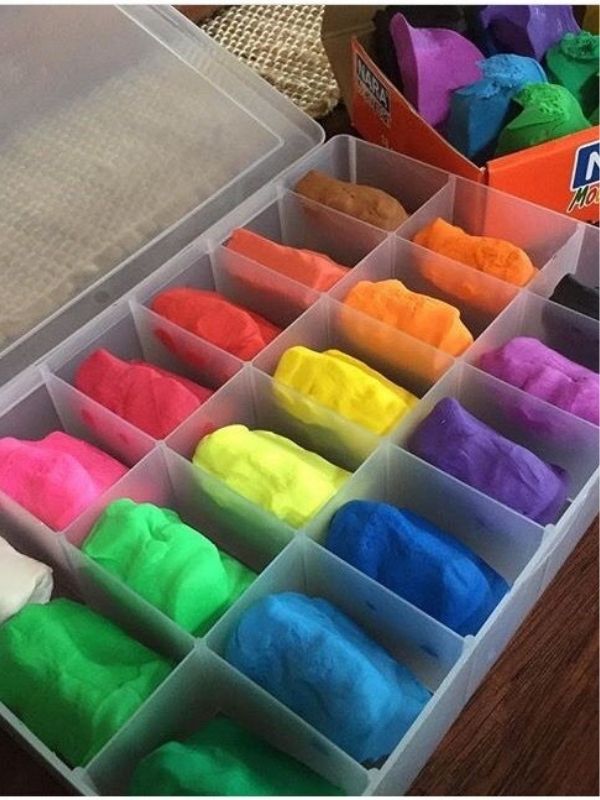
Imagine reaching for your beautiful white polymer clay only to discover a little blue or red stuck to it. Not exactly what you had planned.
You can wrap individual colors separately or use a storage box with different compartments.
It doesn’t need to be fancy. The main goal is to keep the colors protected and easy to find.
4. Use a Clean Storage Container
Once your polymer clay is wrapped, placing it inside a clean container can make storage even easier.
A plastic container with a secure lid works well for keeping your supplies together and protected from dust.
If you have a growing collection, you can organize the colors by shade or by the type of projects you normally use them for.
For example, you could keep your basic colors together and have another section for pastel shades.
This may seem like a small thing, but it makes crafting much more enjoyable when you don’t have to search through a pile of supplies every time you want to make something.
5. Keep Polymer Clay Away From Direct Sunlight
Where you keep your polymer clay matters.
Try not to leave your clay on a windowsill where it will receive direct sunlight for hours. You should also avoid places that become very hot.
A drawer, cupboard, craft cabinet or another cool area away from direct sunlight can be a better choice.
You don’t need to hide your craft supplies somewhere difficult to reach. Just choose a place where the temperature is reasonably stable and your clay won’t be exposed to unnecessary heat.
6. Don’t Leave Polymer Clay in a Hot Car
This one is worth mentioning because it can easily happen when you are carrying craft supplies around.
If you buy polymer clay while you are out, try not to leave it sitting in a hot car for hours.
Cars can become extremely hot, especially on sunny days, and that is not the kind of environment you want your polymer clay sitting in.
If you are taking your clay to a craft class, workshop or friend’s house, bring it inside with you rather than leaving it in the car.
7. Keep Your Hands and Work Surface Clean
Sometimes the problem isn’t actually the storage container. It is what gets transferred onto the clay before you put it away.
Polymer clay picks up tiny particles very easily.
If you have just been working with dark clay, paint, glitter or another material, clean your hands before moving on to a lighter color.
I also like the idea of giving the work surface a quick clean before starting with light-colored polymer clay.
This simple habit can save you from spending extra time trying to remove tiny bits of dirt from your clay later.
How to Tell If Your Polymer Clay Is Still Good
If you have had a package of polymer clay sitting in your craft supplies for a while, you may wonder if it is still okay to use.
The easiest thing to do is look at the clay and then try working with a small piece.
Good polymer clay should generally be workable once you begin conditioning it. If it feels a little firm after sitting unused, that doesn’t automatically mean it has gone bad. Sometimes it simply needs more conditioning before it becomes flexible again.
Look for anything unusual on the surface, such as dirt, dust, or material that may have accidentally become mixed into it.
If only the outside of the clay is dirty, you may be able to remove that portion and work with the clean clay underneath.
When you’re unsure, it is better to test a small piece first rather than throwing away the entire block.
How to Store an Unfinished Polymer Clay Project
What happens if you have already started making something but aren’t ready to bake it yet?
You can protect the unfinished project and come back to it later.
Place it somewhere clean and safe where it won’t be knocked over, pressed against another object or covered in dust.
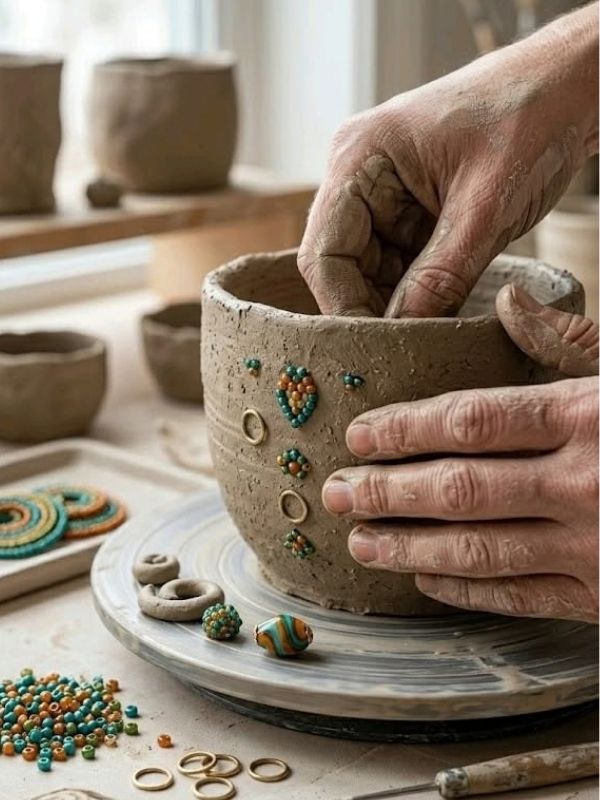
A clean container can work well for small projects. Just make sure there is enough space so the lid isn’t touching or pressing against your creation.
This is particularly helpful when you’re working on detailed pieces that take several sessions to complete.
You don’t have to rush through a project simply because you started it.
Can You Store Polymer Clay in a Plastic Bag?
A suitable plastic bag can be useful for storing polymer clay, particularly when you need a simple way to keep individual pieces covered.
Make sure the bag is clean and suitable for storing the clay, and avoid squeezing delicate pieces into a small space.
For a larger collection, I prefer the idea of wrapping individual pieces and then keeping them inside a clean storage container. It gives you better organization and makes it easier to see what you have.
Can You Store Polymer Clay in the Refrigerator?
For normal polymer clay storage, you generally don’t need to put it in the refrigerator.
A cool place away from direct sunlight and excessive heat is usually much more practical.
If your particular polymer clay manufacturer gives different storage instructions, follow those instructions because different products can have their own recommendations.
There is really no reason to complicate your storage routine when a clean, protected and reasonably cool space will do the job.
What If Your Polymer Clay Becomes Hard?
Don’t throw it away immediately.
If your polymer clay has become difficult to work with, it may simply need some conditioning.
Start by working with a small amount between your hands. Kneading and warming the clay can make it more flexible.
You can also use a pasta machine or clay conditioning machine if you have one.
Some people use clay softeners or conditioners made specifically for polymer clay when a particular clay needs additional help. If you decide to use one, make sure it is appropriate for your clay and follow the manufacturer’s instructions.
And one important thing: don’t add water to polymer clay to try to soften it.
Polymer clay is not the same as water-based air-dry clay, so water is not the solution.
How to Keep Dust and Hair Out of Polymer Clay
Dust and hair are probably some of the most annoying things to find in polymer clay.
They can be difficult to notice when you are working with darker colors, but they become very obvious when you’re using white or pastel clay.
One simple way to reduce this problem is to clean your work surface before you begin.
You can also wash and dry your hands before handling light-colored clay, especially if you have just been working with another color.
Once you’re finished, don’t leave the clay sitting uncovered while you take a break. Cover it or put it away until you’re ready to continue.
A covered storage container can make a surprisingly big difference.
How Long Can Unbaked Clay Stay Unbaked?
One of the reasons I like polymer clay for craft projects is that you don’t have to finish everything in one sitting.
Properly stored unbaked polymer clay can remain usable for a long time.
The exact condition of the clay will depend on the brand, how it has been handled and how it has been stored, but you don’t need to feel pressured to bake your clay immediately after opening it.
If you have leftover clay from a project today, store it properly and you can use it for something completely different later.
That little leftover piece might become a charm, a bead, a miniature flower or part of another craft you haven’t even thought of yet.
What Should You Avoid When Storing Polymer Clay?
A few simple mistakes can make storing your clay more difficult than it needs to be.
Try to avoid:
- Leaving polymer clay uncovered for long periods
- Storing it in direct sunlight
- Keeping it close to ovens, heaters or other heat sources
- Leaving it in a hot car
- Allowing different colors to rub against each other
- Putting dirty or dusty clay into your storage container
- Pressing unfinished projects underneath heavy objects
- Adding water to polymer clay
- Using unsuitable storage materials that may interact with the clay
The goal is simply to keep your clay clean, protected and away from excessive heat.
My Simple Polymer Clay Storage Routine
You don’t need a huge craft room or an expensive organization system to store polymer clay properly.
When I’m finished with a project, the simple routine would be:
Clean the remaining clay – wrap each color – separate the colors – place them in a clean container – close the container – store it somewhere cool and away from direct sunlight.
That’s really it.
Once you get into the habit, it takes only a few minutes.
And when you come back to your craft supplies weeks later, everything is much easier to find and ready for the next project.
Final Thoughts On How To Store Unbaked Polymer Clay
Learning how to store unbaked polymer clay is one of those small craft habits that can make a big difference.
Polymer clay doesn’t air-dry simply because it is exposed to air, but that doesn’t mean it should be left uncovered on your craft table. Dust, dirt, heat and poor handling can all make your clay less pleasant to work with.
Keep your unused clay wrapped, separate your colors, use a clean storage container and keep everything away from excessive heat and direct sunlight.
Most importantly, don’t feel like you have to finish every polymer clay project in one day. One of the joys of working with polymer clay is being able to take your time, put your supplies away properly and come back when you are ready to create again.
Sometimes the easiest way to keep your craft supplies in good condition is simply to give them a little care before putting them away.