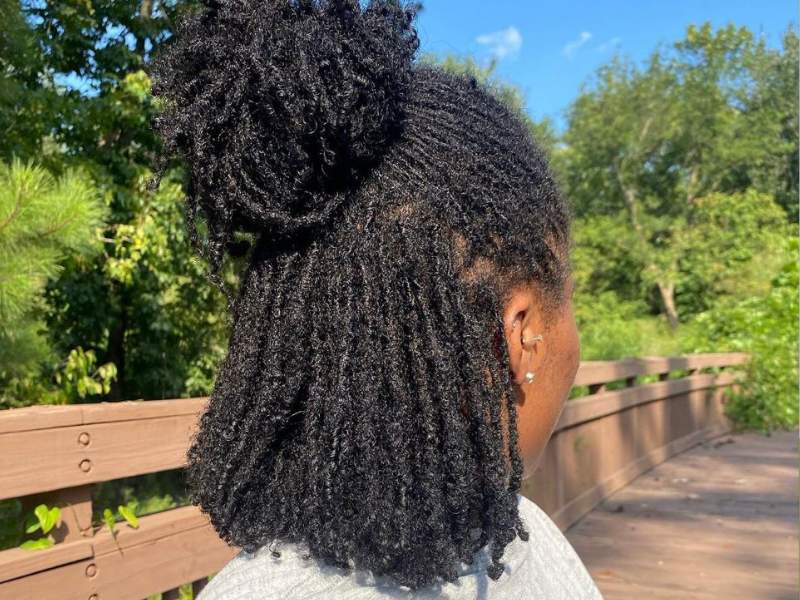

How to Maintain Sister Locs and Keep Them Looking Beautiful.
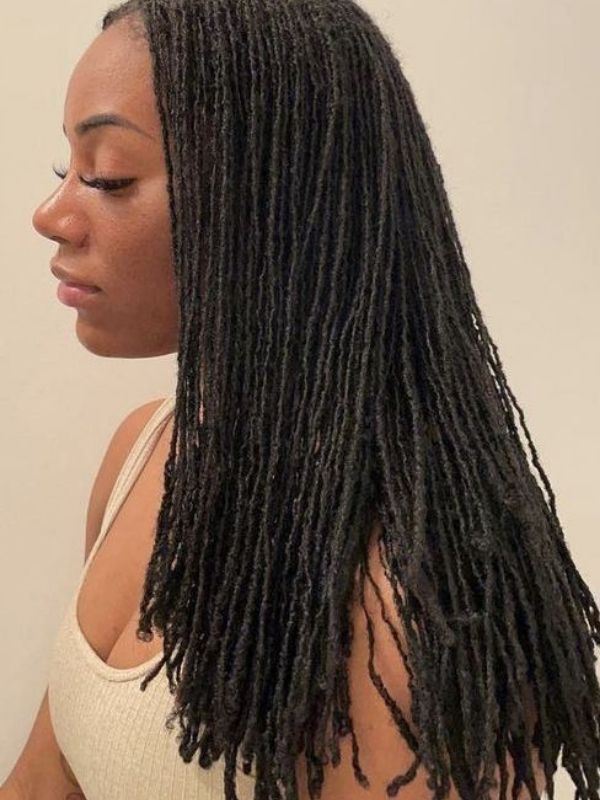
Sister locs are beautiful on their own, but keeping them looking neat, fresh, and healthy does require some care. One of the things I love about sister locs is how versatile they are. You can wear them down, put them into different styles, or simply let them hang naturally and still have a beautiful look.
At the same time, sister locs need more than occasional styling. Your everyday habits, how you wash your hair, how you sleep, the products you use, and how often you have your locs retightened can all affect how they look and feel.
If you already have sister locs or you’re thinking about getting them, learning how to care for them properly can save you from a lot of unnecessary problems later.
In this guide, I’m sharing practical ways on how to maintain sister locs and keep them looking beautiful, from your regular wash routine to nighttime care and retightening.
What Makes Sister Locs Different?
Sister locs are made up of many small, uniform locs created using a specialized locking technique. Because the locs are much smaller than traditional locs, they can give you a lot of styling flexibility.
Their small size is also one reason why gentle maintenance matters.

Your locs can become tangled, weak, dry, or weighed down by buildup if they’re handled too roughly or covered in too many products.
The goal isn’t to constantly manipulate your hair. A good sister locs routine is more about cleanliness, gentle handling, proper maintenance, and paying attention to what your hair needs.
1. Keep Your Sister Locs Clean
One of the most important parts of How To maintain sister locs is keeping your scalp and locs clean.
Some people are afraid to wash locs because they worry about unraveling or frizz. Your washing routine may be different depending on how mature your locs are, but avoiding washing altogether isn’t a good long-term approach.
A clean scalp creates a better environment for healthy hair.
When washing, concentrate on your scalp and allow the shampoo to clean the locs as the water runs through them. Avoid aggressively rubbing your locs together because excessive manipulation can create unnecessary tangling and frizz.
If your locs are newly installed, follow the washing instructions given by your certified consultant because the recommended routine can be different during the early stages.
How Often Should You Wash Sister Locs?
There isn’t one perfect schedule for everyone.
Your washing frequency can depend on your scalp, lifestyle, how much you sweat, the products you use, and whether your locs are mature.
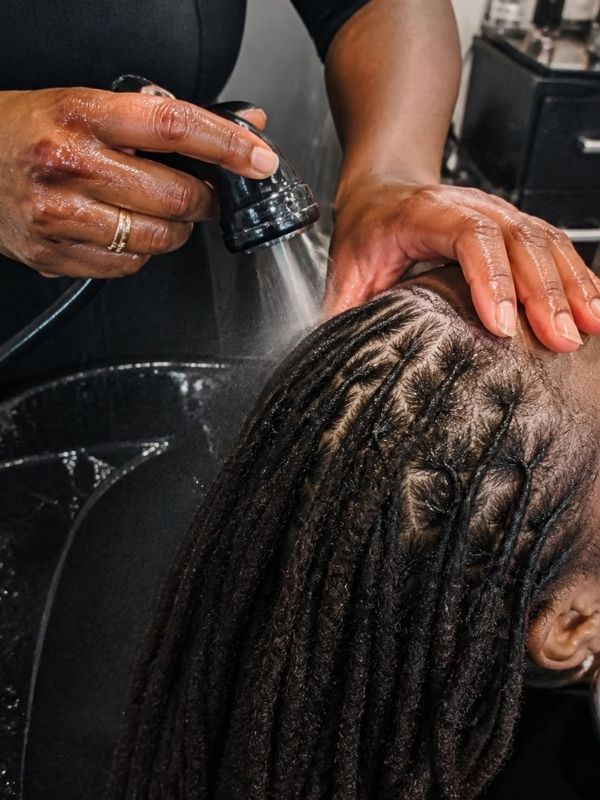
If you exercise frequently or have a naturally oily scalp, you may need to wash more often. If your scalp stays comfortable and clean for longer, you may wash less frequently.
Instead of following someone else’s exact schedule, pay attention to your own scalp.
If you notice excessive oil, itching, flakes, sweat, or buildup, that’s a sign that your current routine may need adjusting.
2. Choose Your Hair Products Carefully
One of the easiest ways to create problems for sister locs is using too many heavy products.
Creams, thick butters, heavy oils, gels, waxes, and products that don’t rinse out easily can become trapped inside small locs.
Once buildup develops inside your locs, it can be difficult to remove.
This is why I prefer the idea of keeping your routine simple. You don’t need a shelf full of products to maintain sister locs.
When choosing products, consider lightweight options that are appropriate for locs and easy to wash out.
And always remember that more product doesn’t automatically mean more moisture.
Here are other topics you should check out concerning Locs
- Sisterlocs vs traditional locs which one is right for you.
- How Long do starter locs take to mature
- Christmas locs styles that will make everyone ask where you get it done
- 9 Gorgeous birthday loc styles that steal the spotlight
3. Keep Your Scalp Healthy
Your locs may be what you see, but your scalp deserves attention too.
Pay attention to changes such as persistent itching, unusual flaking, tenderness, excessive dryness, or irritation.
Avoid constantly scratching your scalp with your fingernails. If your scalp feels dry or irritated, first consider whether something in your routine could be causing the problem.
For persistent scalp problems, it’s better to speak with a qualified healthcare professional or dermatologist rather than repeatedly adding different products to your hair.
A healthy-looking loc journey starts with taking care of the scalp underneath it.
4. Don’t Overload Your Locs With Oil
Oil can be useful in a hair-care routine, but using too much can leave your scalp and locs feeling greasy and can contribute to buildup.
Instead of pouring oil directly onto your hair every day, use a small amount when needed.
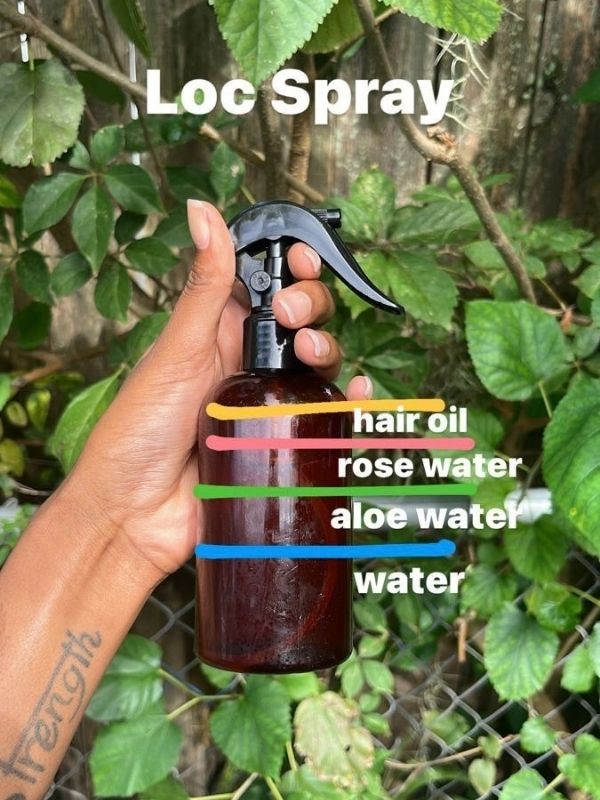
You can also focus on your scalp rather than coating every loc from root to tip.
If your hair already feels soft and your scalp feels comfortable, you may not need to add anything.
This is one area where paying attention to your hair is much more useful than following a strict product schedule.
5. Be Gentle When Handling Your Sister Locs
Because sister locs are small, it’s important to be mindful when manipulating them.
Avoid pulling, tugging, or constantly running your fingers through them.
Be particularly careful when detangling styles or removing accessories. If a style has become tight or uncomfortable, don’t keep pulling at the locs simply to make the style stay in place.
Your locs are attached to your scalp, so repeated tension can put unnecessary stress on your hair.
When styling, think about comfort as well as appearance.
6. Protect Your Sister Locs While Sleeping
Your nighttime routine can make a noticeable difference.
Cotton pillowcases can create friction against your hair while you sleep. A satin or silk bonnet, scarf, or pillowcase can help reduce friction and protect your locs.

I also like this part of loc care because it doesn’t require much effort. You simply make protecting your hair part of your bedtime routine.
If you use a bonnet, make sure it isn’t excessively tight around your hairline.
You don’t want your nighttime protection to create unnecessary tension.
7. Dry Your Sister Locs Properly After Washing
Don’t ignore your locs after washing them.
Because sister locs are small and numerous, they can hold moisture for a while depending on their length, density, and environment.
After washing, gently squeeze or blot excess water rather than aggressively rubbing your hair with a towel.
Allow your locs to dry thoroughly.
If you regularly find that your locs remain damp for a very long time, consider adjusting how much water you’re using during washing and giving your hair enough time to dry completely.
Avoid going to bed with soaking-wet hair.
8. Don’t Retighten Your Locs Too Frequently
Retightening is an important part of maintaining sister locs, but more frequent maintenance isn’t necessarily better.
Your hair needs time to grow between appointments.
Retightening too often or manipulating the roots excessively can put unnecessary tension on the hair around your scalp.

Your certified sisterlocks consultant can help you determine an appropriate retightening schedule based on your hair growth and loc development.
If you notice thinning around the roots, tenderness, or areas that appear unusually weak, don’t ignore it.
9. Pay Attention to Your Roots
Your roots can tell you a lot about how your locs are doing.
As your hair grows, you’ll naturally see new growth between your scalp and the beginning of your locs. That’s completely normal.
However, you want to avoid constantly pulling or manipulating that new growth.
When styling your hair, don’t make every style extremely tight just because you want the roots to look extra neat.
A beautiful style isn’t worth damaging your edges or putting too much stress on your scalp.
10. Avoid Constantly Wearing Tight Hairstyles
One of the great things about sister locs is how many styles you can create.
But having lots of styling options doesn’t mean you need to style your hair every day.
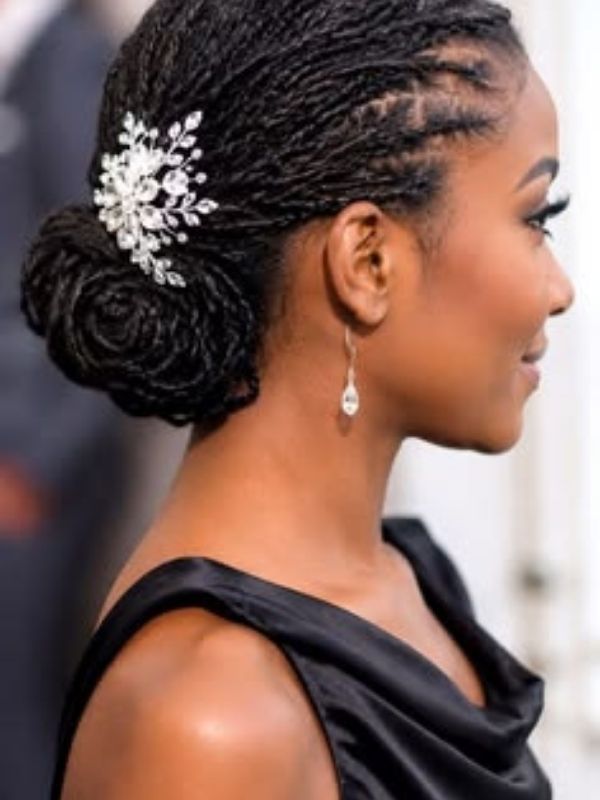
High ponytails, tight buns, frequent updos, and styles that pull the same sections of your hair repeatedly can create tension.
Try changing the direction of your styles and giving your hair some time to rest between more structured looks.
And if a hairstyle hurts, feels too tight, or gives you a headache, take it down.
Pain isn’t a sign that a hairstyle is working.
11. Be Careful With Hair Accessories
Hair accessories can make sister locs look even more beautiful, but they need to be used carefully.
Avoid accessories that are so tight that they pull on individual locs.
Also be careful when removing clips, bands, pins, and other accessories. Don’t yank them out if they’re caught around a loc.
Take your time and gently release them.
This is especially important with small locs because individual strands can become stressed when accessories are repeatedly pulled or caught.
12. Keep Your Sister Locs Free From Buildup
Buildup is one of the issues I would pay particular attention to when maintaining sister locs.
Because the locs are small, product residue can accumulate over time if you use heavy products or don’t cleanse thoroughly.
Signs of buildup can include a waxy or sticky feeling, unusual residue, dull-looking locs, or a change in how your hair feels after washing.
The easiest approach is prevention.
Use products sparingly, choose products that are easy to rinse out, and keep your cleansing routine consistent.
If you already have significant buildup, avoid trying random DIY mixtures on your locs. A qualified loctician or sisterlocks professional can help you determine the safest way to address it.
13. Give Your Hair a Break From Constant Styling
Sometimes your sister locs look their prettiest when you simply leave them alone.
You don’t need to create a new hairstyle every morning.
Wearing your locs down can allow your scalp and roots to rest from the tension that can come with certain styles.
You can alternate between styled looks and simple everyday wear.
This also makes your routine easier because you spend less time manipulating your hair.
14. Keep Your Locs Looking Fresh Between Retightening Appointments
Your locs will naturally show some new growth between appointments.
That’s part of having locs.
If you want to keep your hair looking neat, focus on keeping your scalp clean, protecting your hair at night, and avoiding styles that make the new growth look messy or create excessive tension.
Don’t try to recreate the freshly retightened appearance by constantly pulling at your roots.
Your locs don’t need to look freshly retightened every single day to be beautiful.
15. Be Careful When Coloring Sister Locs
Coloring your hair can be beautiful, but chemical treatments can affect the strength and condition of your hair.
If you’re considering coloring your sister locs, think carefully about your hair’s current condition first.
Bleaching can be particularly drying because it changes the hair’s structure.
If you decide to color your locs, consider getting professional advice from someone experienced with locs rather than experimenting with several chemical processes at home.
Also remember that color-treated locs may need additional attention to maintain their condition.
16. Don’t Ignore Thinning Locs
If you notice that an individual loc is becoming noticeably thinner, don’t simply continue treating it as normal.
Thinning can happen for different reasons, including repeated tension, excessive manipulation, or stress around the roots.
Look at where the thinning is happening.
If it’s around the root, think about whether you frequently wear tight styles or have been retightening too aggressively.
If you’re concerned about a thinning loc, speak with your certified consultant or a professional experienced in maintaining sister locs.
Getting advice early can help prevent a small issue from becoming a bigger one.
17. Be Patient With Your Loc Journey
Your sister locs won’t look exactly the same throughout your journey.
There will be periods when your locs look incredibly neat and other times when you notice frizz, new growth, or changes in texture.
That’s normal.
Instead of constantly trying to make your hair look freshly installed, give yourself room to enjoy the different stages.
As your locs mature, you’ll learn what your own hair responds to and which routines work best for you.
18. Keep Your Routine Simple
You really don’t need to make sister loc maintenance complicated.
A simple routine can include:
Regular cleansing: Keep your scalp and locs clean according to your hair’s needs.
Gentle handling: Avoid unnecessary pulling and manipulation.
Lightweight products: Don’t overload your locs with heavy creams, oils, or gels.
Nighttime protection: Use a satin or silk bonnet, scarf, or pillowcase.
Regular professional maintenance: Keep up with your retightening appointments according to the schedule recommended for your locs.
Healthy styling habits: Avoid hairstyles that repeatedly put tension on the same areas.
These basic habits can go a long way.
Common Sister Locs Mistakes to Avoid
Sometimes maintaining beautiful locs is as much about what you stop doing as what you start doing.
Here are some habits to watch out for:
Using Too Many Products
Your locs don’t need to be coated in several products to look good.
Heavy product use can lead to buildup.
Retightening Too Often
Constantly tightening your roots can put unnecessary stress on your hair.
Sleeping Without Protecting Your Hair
Regular friction from your pillowcase can contribute to frizz and unnecessary rubbing.
Wearing Tight Styles Too Often
If your hairstyle constantly pulls on your scalp, give your hair a break.
Picking at Your Locs
Constantly separating, twisting, or playing with your locs can create unnecessary manipulation.
Ignoring Your Scalp
If your scalp is uncomfortable, don’t simply cover the problem with more products.
What Makes Sister Locs Stay Beautiful?
For me, the biggest thing is consistency.
You don’t have to do something elaborate every day. The small things you do regularly can make a bigger difference over time.
Clean your scalp. Handle your locs gently. Protect them while you sleep. Don’t overload them with products. Be mindful of tension. Keep up with your professional maintenance.
And most importantly, learn your own hair.
Someone else’s sister loc routine might work perfectly for them and still not be what your hair needs. Your scalp, hair texture, lifestyle, environment, and stage of loc development all matter.
Final Thoughts On How to Maintain Sister Locs
Learning how to maintain sister locs is really about finding a routine that keeps your hair clean, comfortable, healthy-looking, and easy for you to manage.
You don’t need to constantly style your locs or use a lot of products to make them beautiful. Sister locs already have their own character, and with proper care, you can enjoy watching them change and mature over time.
Be gentle with your roots, pay attention to your scalp, keep buildup under control, protect your hair while sleeping, and avoid hairstyles that create unnecessary tension.
And when you’re unsure about something especially thinning, scalp problems, coloring, or retightening getting advice from a qualified professional who understands sister locs is always a good idea.
Your loc journey doesn’t need to look exactly like anyone else’s. Find a routine that works for your hair and How to Maintain sister locs, stay consistent with it, and let your sister locs grow into their own beautiful look.