
Why Are My Locs Unraveling? Causes and Ways to Prevent It.
Locs are often celebrated for their beautiful texture, versatility and the freedom they offer from daily hairstyling. However, one of the frustrations many people experience during their locs journey is finding that their locs are unraveling. You may notice loose strands around the ends, a loc that suddenly looks thinner, a section that has started opening up, or hair that no longer holds its shape as firmly as it used to.
This can be particularly frustrating when you have spent months or even years nurturing your locs. Whether you are in the starter locs stage, have budding locs, or are already enjoying mature locs, unraveling can happen for several reasons. Sometimes, it is part of the natural locking process, especially when your locs are still young. In other situations, frequent washing, excessive manipulation, unsuitable products or the way your hair is maintained may contribute to the problem.
In this guide, we will explore the common reasons locs unravel, how to identify what may be causing the problem, and practical ways to prevent your locs from repeatedly opening up.
What Does It Mean When Locs Unravel?
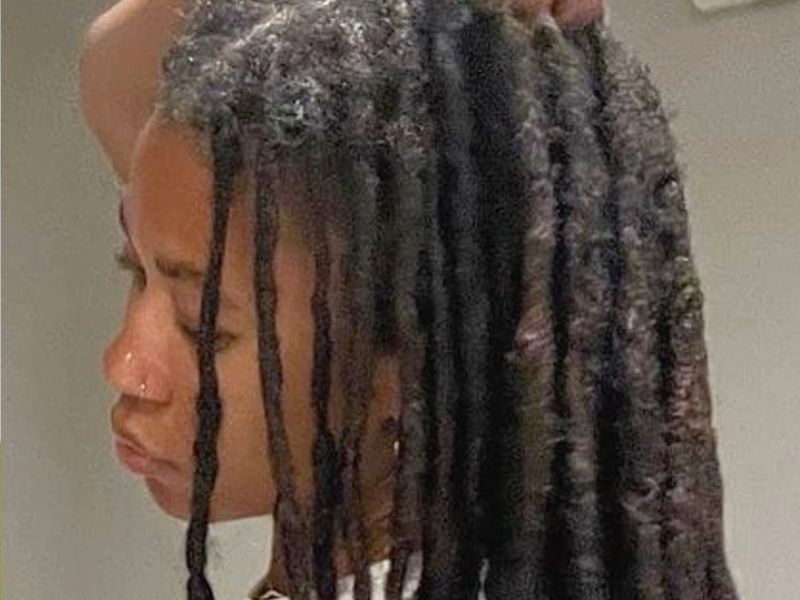
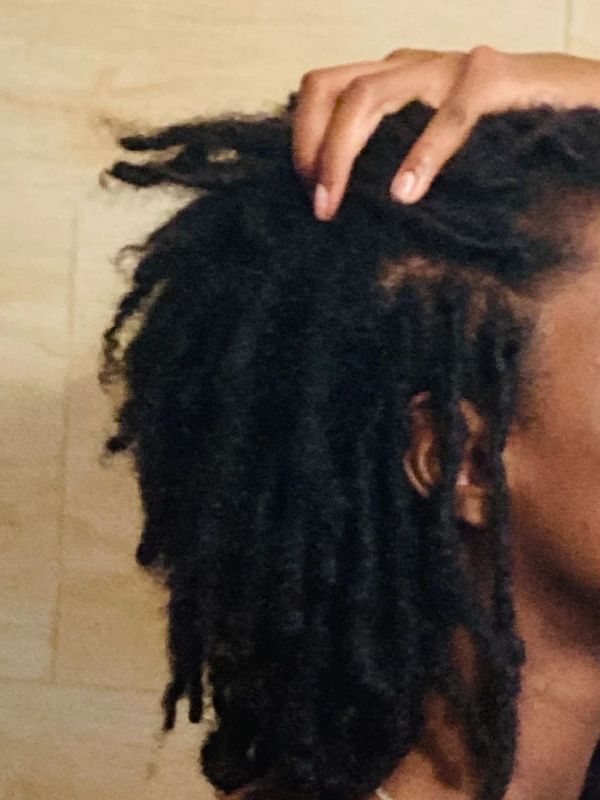
Locs unravel when the strands of hair within a loc begin to loosen, separate or return to a more open, untangled state. Instead of remaining tightly intertwined, some strands may begin to pull away from the loc, causing it to look fluffy, loose or partially undone.
Unraveling can affect the entire loc or only a particular section. For example, you may notice that the tips of your locs are opening up while the middle and roots remain intact. In other cases, the loc may become loose around the roots, especially after washing, excessive styling or frequent manipulation.
The appearance of unraveling can also vary depending on your hair texture, loc method, how long you have had your locs and the way you maintain them.
For people with starter locs, unraveling is often more noticeable because the hair has not yet formed firm, mature locking structures. Your hair is still gradually tangling and developing its own pattern. As the process continues, the strands become more interconnected, making the locs increasingly stable.
However, even mature locs can unravel. This may happen when the ends have not fully locked, when a loc has been manipulated excessively, or when certain hair-care habits cause the strands to loosen.
It is important to distinguish between normal looseness and repeated unraveling. A little loose hair here and there does not necessarily indicate a problem. But if the same loc repeatedly opens up, becomes significantly thinner or loses its structure, it may be worth adjusting your maintenance routine.
You can do well to check out my How to Sleep With Locs Without Ruining your Hairstyle Practical Advice that Readers Can Apply Immediately And 9 Gorgeous Birthday Loc Styles That Steal the Spotlight
10 Reasons Your Locs May Be Unraveling
There isn’t always one specific reason why locs unravel. Sometimes, several hair-care habits and environmental factors may contribute to the problem at the same time.
Let’s look at some of the most common causes.
1. Your Locs Are Still in the Starter Stage
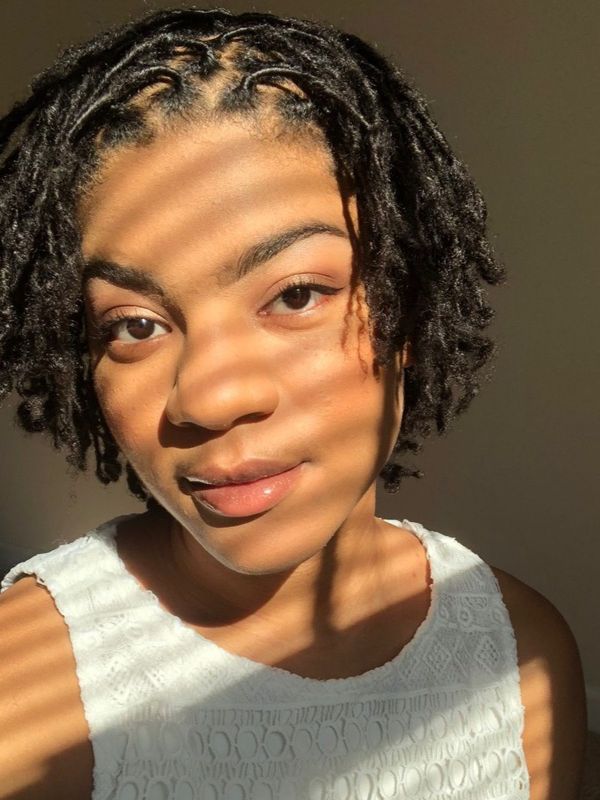
If you recently started your locs, unraveling may be part of the process you experience along the way. Starter locs are not immediately permanent or fully formed. Depending on your starting method, hair texture and maintenance routine, your hair may take several months or longer to develop a more stable locking structure.
During this stage, your hair is still adjusting. The strands have not yet developed the internal tangling and compactness that help mature locs hold together. As a result, your locs may loosen after washing, sleeping, touching your hair or even spending time in humid weather.
Two-strand twists, comb coils and other starter methods may behave differently during the early stages. Some methods are more prone to unraveling, especially when the hair is washed or exposed to moisture before it has begun to lock.
This does not mean your starter locs are doing something wrong. It simply means they may need more time, patience and appropriate maintenance.
What you can do:
- Avoid constantly retwisting your locs whenever they appear loose.
- Follow a maintenance routine appropriate for your starter method.
- Be gentle when washing your hair.
- Avoid pulling, twisting or manipulating your locs unnecessarily.
- Allow your hair to progress naturally rather than expecting it to look fully mature immediately.
Starter locs require patience. Some days, your hair may look neat and defined, while other days, it may appear fluffy, uneven or slightly loose. These changes are not always signs that your locs are failing.
2. Washing Your Locs Too Aggressively
Washing your hair is an important part of maintaining healthy locs, but the way you wash them can sometimes contribute to unraveling, especially when your locs are still young.
When you scrub your scalp and hair aggressively, rub your locs together or pull them apart while washing, the movement can loosen strands that have not yet become securely intertwined. This is particularly common around the roots and ends of starter locs.
The problem is not necessarily washing your hair itself. Rather, it may be the amount of friction, pressure and manipulation involved during the washing process.
For example, rubbing your locs vigorously between your palms or scrubbing them against one another may cause some of them to loosen. Using your fingernails to scratch your scalp aggressively can also disturb the roots and surrounding hair.

How to wash your locs without encouraging unraveling:
- Use gentle movements when cleansing your scalp.
- Avoid rubbing individual locs aggressively against one another.
- Concentrate on cleaning your scalp rather than repeatedly scrubbing the length of every loc.
- Use a shampoo that rinses clean and does not leave excessive residue.
- If you have starter locs, consider a washing method recommended by an experienced loctician for your particular locking technique.
- Rinse thoroughly and avoid pulling apart locs that have begun to tangle together.
You do not have to avoid washing your locs because you are afraid they will unravel. A clean scalp is an important part of healthy hair maintenance. The goal is to wash your hair without unnecessary friction.
3. Your Hair Gets Wet Too Frequently Without Proper Maintenance
Water plays an important role in hair care, but frequent exposure to water, particularly when your locs are still forming, may cause some locs to loosen.
When hair gets wet, it can become more pliable. For locs that have not yet developed a firm locking structure, repeated wetting and drying may cause the strands to shift, especially when combined with rubbing, combing, twisting or other manipulation.
This is why you may notice your locs looking slightly looser after a shower, swimming or spending time in the rain.
However, water itself is not the enemy of locs. In fact, keeping your hair adequately hydrated can be beneficial. The concern is usually the combination of moisture, friction and manipulation, rather than simply getting your hair wet.
If your starter locs unravel every time you wash them, you may need to adjust how you handle your hair during and after washing.
Here are a few things that may help:
- Avoid unnecessary soaking of your starter locs between wash days.
- Wear a shower cap when you are not washing your hair.
- Use a swimming cap when swimming, if practical.
- Avoid rubbing your hair with a towel after washing.
- Allow your locs to dry thoroughly.
- Follow a washing schedule appropriate for your scalp and locking method.
If your scalp requires frequent cleansing, do not sacrifice scalp hygiene to keep your locs looking neat. Instead, work with a loctician to determine a washing method that accommodates your scalp while protecting your starter locs.
4. You Are Manipulating Your Locs Too Much
Sometimes, the reason your locs are unraveling may be the way you handle them throughout the day.
It is easy to develop the habit of constantly touching your hair. You may find yourself twisting individual locs, pulling loose strands back into place, playing with the ends or checking whether your hair is locking.
While these habits may seem harmless, repeated manipulation can prevent some sections of your hair from settling and developing a stable locking structure.
Excessive twisting, pulling, stretching and separating can disturb the strands within a loc. If your hair is still in the starter stage, this may make it more difficult for the loc to hold together.
Even mature locs can experience unnecessary stress when they are constantly manipulated.
Habits that may contribute to unraveling include:
- Twisting the same locs repeatedly throughout the day.
- Pulling on locs to check their length.
- Picking at loose strands.
- Frequently undoing and redoing locs.
- Rubbing your hair while thinking or relaxing.
- Constantly changing hairstyles that require pulling or stretching.
If you notice that you frequently touch your hair without realizing it, try to become more mindful of the habit.
Give your locs time to settle. Once you have completed your maintenance routine, allow your hair to rest instead of repeatedly adjusting it.
Sometimes, leaving your locs alone is one of the most helpful things you can do for them.
5. Your Locs Are Not Being Retwisted Properly
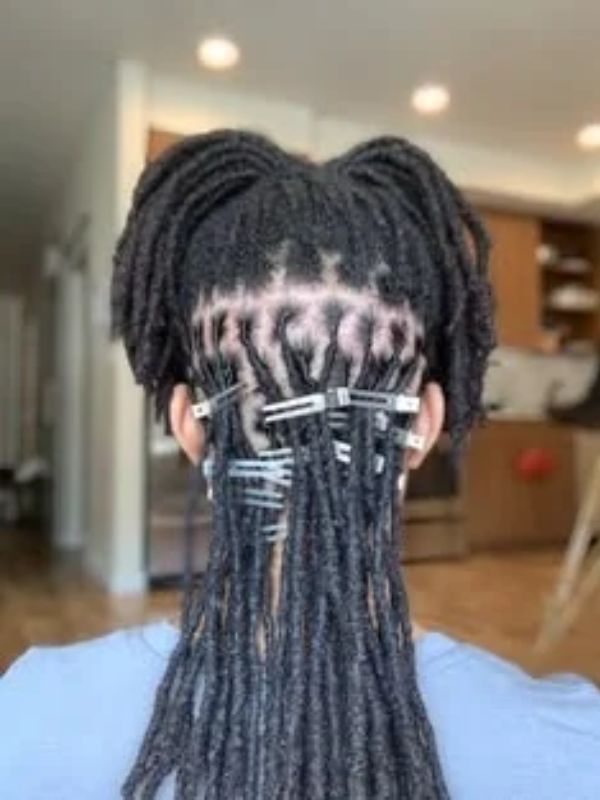
Retwisting can help maintain the appearance of your roots and guide new growth into the existing loc structure. However, the technique used during retwisting may also influence how well your locs hold together.
If your roots are not properly maintained, loose new growth may not integrate easily into the loc. In some cases, an unsuitable retwisting technique may cause the loc to loosen, particularly when the hair is washed soon afterward or manipulated excessively.
The problem can also occur when the retwist is too loose or when the technique is not appropriate for your hair texture and loc method.
However, retwisting too tightly is not the solution.
Excessive tension can put stress on your roots and potentially contribute to thinning, breakage or traction-related hair loss. Your locs should not be maintained so tightly that your scalp becomes painful or uncomfortable.
The goal is to maintain the roots appropriately without placing unnecessary stress on your hair.
What you can do:
- Learn a retwisting technique suitable for your loc method.
- Avoid excessive tension at the roots.
- Do not retwist the same locs repeatedly between maintenance appointments.
- Avoid using excessive amounts of styling products.
- Give your scalp time to rest between retwists.
- Consider professional maintenance if you are unsure how to retwist your locs.
Retwisting is not something that should be done excessively simply because you want your hair to look neat all the time. Your locs need time to develop, and your scalp needs time to recover from manipulation.
Go through this article to learn more about How Often Should You Retwist Your Locs? Signs You’re Retwisting Too Often or Not Enough
6. You Are Using Too Much Product on Your Locs
Hair products can help support your hair-care routine, but using too many products may create problems for your locs.
Heavy creams, thick gels, excessive oils, waxes and products that leave residue may accumulate within your locs over time. This buildup can make your hair feel coated, heavy or sticky.
Although product buildup does not directly cause every instance of unraveling, it can interfere with your maintenance routine. Heavy product application may encourage unnecessary manipulation as you attempt to remove residue, separate locs or restore the appearance of your hair.
Some products may also leave your hair feeling slippery, especially when your locs are still forming. This can make it more difficult for loose strands to remain intertwined.
You do not need a large collection of products to maintain beautiful locs.
In many cases, a simple routine that includes an appropriate shampoo, a lightweight moisturizing approach when needed and minimal product buildup is easier to maintain.
Products and habits to be cautious with include:
- Thick creams that leave visible residue.
- Heavy waxes used to hold locs together.
- Excessive oils applied repeatedly without washing.
- Applying several styling products at the same time.
- Using products that leave your hair sticky or coated.
When choosing products, consider how your hair responds rather than following every hair-care trend.
If your locs are unraveling and you have been using several products, try simplifying your routine. Give your hair time to respond to fewer products and a more consistent maintenance approach.
7. Your Locs Are Being Pulled During Styling
Locs are versatile, and there are so many beautiful hairstyles you can create with them. From ponytails and buns to elegant updos, locs can be styled in countless ways.
However, certain hairstyles may put too much tension on your locs, particularly when they are young, thin or fragile.
If your locs are constantly pulled into tight ponytails, buns, cornrows or intricate styles, the tension may disturb the roots and surrounding hair. This can cause loose strands, weakening or thinning, especially around the hairline and temples.
Although styling does not automatically cause unraveling, repeated pulling and tension can affect the stability of your locs.
You may notice that locs around your edges, temples or the areas used to secure your ponytail become looser than the rest of your hair.
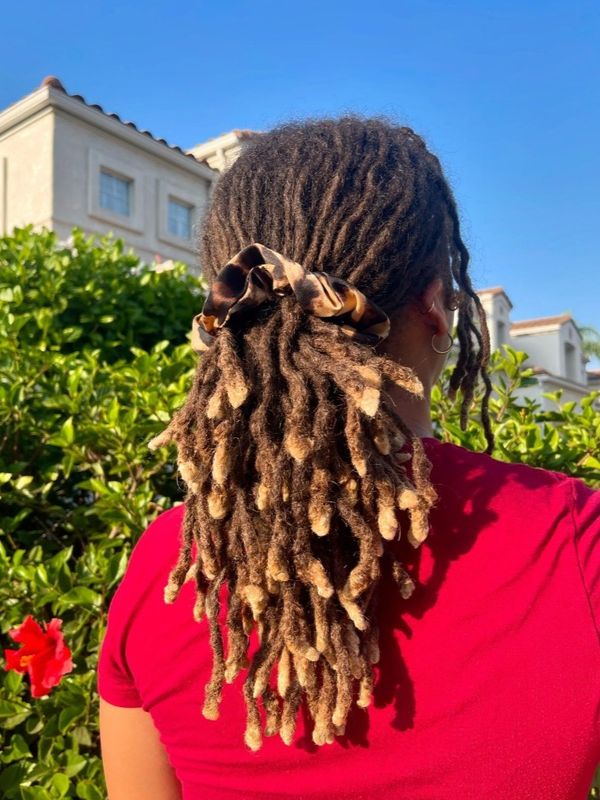
To reduce styling-related stress:
- Avoid excessively tight hairstyles.
- Do not pull your locs tightly into ponytails.
- Choose styles that allow your scalp to relax.
- Avoid keeping tension-heavy styles for extended periods.
- Be mindful of the thickness and strength of your locs before attempting elaborate styles.
- Avoid repeatedly styling and undoing the same locs.
Beautiful locs do not have to be tightly styled to look good. Sometimes, simple hairstyles that allow your hair to rest are a better choice.
You can get more Locs styles from this article on 9 Beautiful Loc Styles for Women That Look Good at Any Length
8. You Are Separating Your Locs Too Aggressively
Separating locs is an important part of maintaining their individuality. When neighboring locs begin to grow together, gently separating them may help prevent unwanted merging.
However, the way you separate your locs matters.
If you pull locs apart forcefully, especially when they are tangled together, you may disturb the strands within each loc. This can cause loosening, breakage or damage to the roots.
The problem is more likely to occur when locs have become tightly intertwined with one another or when you attempt to separate them without first identifying where the hair is connected.
You may also notice loose strands around your roots after separating locs that have been growing together for several weeks.
How to separate locs more carefully:
- Check your locs regularly to identify where they are beginning to join.
- Separate neighboring locs gently rather than waiting until they become heavily tangled.
- Work from the point where the locs are connected.
- Avoid pulling the locs in opposite directions forcefully.
- If the locs are tightly joined, seek help from an experienced loctician.
- Do not force a separation if it causes significant pain or appears to be damaging your hair.
Separating locs should not be a painful experience. If you notice excessive pulling, breakage or thinning during the process, stop and reassess your technique.
9. Your Loc Ends Have Not Fully Locked
The ends of your locs may be more prone to unraveling than other parts of your hair.
This is particularly common with starter locs, where the ends may remain loose for some time before they become more compact. Depending on your hair texture, loc method and maintenance routine, the ends may take longer to develop a stable locking structure.
You may notice that your locs look fairly compact in the middle but have loose, fluffy or curly ends.
This does not necessarily mean that something is wrong.
Some people prefer to maintain natural, curly ends, while others want their locs to become fully locked from root to tip. The appearance of your ends will depend on your hair, the way your locs were started and your personal preference.
If your ends repeatedly unravel, avoid pulling them apart or aggressively twisting them to make them look compact.
Instead, consider the following:
- Allow your locs time to mature.
- Avoid excessive manipulation of the ends.
- Follow an appropriate maintenance routine for your locking method.
- Avoid repeatedly retwisting or tightening the ends.
- Consult a loctician if a particular loc is repeatedly opening up.
Your locs do not have to look identical from root to tip to be healthy. Some variation in texture and shape is normal throughout the locking process.
10. Your Hair Texture and Loc Method May Influence How Easily Your Locs Unravel
Hair texture and the method used to start your locs can influence how your hair behaves during the locking process.
For example, hair that is naturally more slippery or has a looser curl pattern may not hold certain starter methods as easily as hair with a tighter curl pattern. This does not mean that one hair texture is better for locs than another. It simply means that different hair textures may require different techniques and maintenance routines.
The method you use to start your locs can also influence how much unraveling you experience.
Comb coils, two-strand twists, braids, interlocking and other techniques each have their own characteristics. Some may be more susceptible to unraveling during certain stages of the locking process, depending on your hair and how the locs are maintained.
If your locs are repeatedly unraveling despite your efforts, your starter method or maintenance technique may need to be adjusted.
An experienced loctician can help you determine whether your locs need a different maintenance approach or whether the unraveling you are experiencing is simply part of your hair’s natural development.
You do not need to compare your locs with someone else’s. Two people can start locs at the same time and experience very different locking journeys.
How to Prevent Your Locs From Unraveling
Now that you understand some of the common reasons locs unravel, let’s look at practical ways to protect your locs and encourage them to develop.

1. Establish a Consistent Loc Maintenance Routine
Consistency can make a significant difference in how you care for your locs.
Instead of frequently changing products, techniques and maintenance schedules, try to establish a routine that works for your hair and scalp.
Your routine may include washing, scalp care, separating locs, moisturizing when necessary, protecting your hair at night and scheduling retwists or other maintenance.
However, consistency does not mean doing everything frequently. It means understanding what your hair needs and following a routine that supports it without excessive manipulation.
For example, constantly retwisting your hair because you want your roots to look neat may not be beneficial. Similarly, repeatedly applying products to your locs without understanding whether your hair needs them may contribute to buildup.
Your routine should support the condition of your scalp and hair while allowing your locs to develop naturally.
2. Protect Your Locs While Sleeping
Your sleeping habits can influence how much friction your hair experiences overnight.
When your locs rub repeatedly against cotton pillowcases, bedding or other surfaces, the friction may contribute to frizz, loose strands and unnecessary manipulation, particularly when your locs are still developing.
Protecting your hair at night can help reduce this friction.
Consider using a satin or silk bonnet, scarf or pillowcase. These materials are often smoother than traditional cotton and may help reduce friction between your hair and bedding.
If you have long locs, you may also want to gently gather them before going to bed to prevent excessive movement and tangling.
Nighttime loc-care tips:
- Wear a bonnet that comfortably accommodates your locs.
- Use a satin or silk pillowcase if you prefer not to wear a bonnet.
- Avoid tying your locs tightly before sleeping.
- Keep your locs from becoming trapped beneath your body.
- Choose a comfortable sleeping arrangement that allows your hair to rest.
Protecting your locs at night does not have to be complicated. A simple habit can help you reduce friction and keep your hair more manageable.
3. Be Gentle When Drying Your Locs
How you dry your locs after washing them can also influence how much manipulation they experience.
Instead of rubbing your locs vigorously with a towel, gently squeeze excess water out of your hair. You can use a clean microfiber towel or a soft towel to absorb moisture without creating excessive friction.
If your locs are still in the starter stage, be particularly mindful of how you handle them while wet.
Wet locs may feel softer and more pliable, making them easier to disturb. Avoid pulling, twisting or repeatedly adjusting them while they are wet.
Allow your locs to dry thoroughly.
Locs that remain damp for extended periods may develop an unpleasant smell or other moisture-related problems. This is why proper drying is an important part of loc maintenance.
Depending on the length, density and thickness of your locs, drying time may vary considerably.
If you have very thick or long locs, make sure the inner sections are not remaining damp long after the outer sections have dried.
4. Avoid Excessive Retwisting
Retwisting may help your locs look neater, but frequent retwisting can put unnecessary stress on your roots.
If you retwist too often or apply excessive tension, you may weaken the hair around your roots over time. This can contribute to thinning and breakage.
Instead of retwisting whenever you notice new growth, allow your hair to grow naturally between maintenance sessions.
The appropriate retwisting frequency varies depending on your hair texture, loc method, desired appearance and scalp condition.
Some people prefer a more defined root appearance, while others enjoy a less maintained look. Both approaches can be compatible with healthy locs when the hair is cared for appropriately.
What matters is avoiding excessive tension and giving your scalp time to recover.
5. Use Lightweight Products and Avoid Excessive Buildup
Keeping your locs clean and avoiding excessive product buildup can help you maintain a manageable hair-care routine.
You do not need to apply several products to your locs every day.
If your hair feels dry, consider whether your current routine is helping or whether you may be applying products that leave residue.
Choose products carefully, especially if your locs are still forming.
For many people, a simple routine that includes a suitable cleansing product and a lightweight moisturizing approach is easier to maintain than a complicated routine involving multiple creams, gels and oils.
Be cautious with products that contain ingredients or formulations that leave heavy residue in your locs.
If your locs feel sticky, unusually heavy or coated, consider whether product buildup may be contributing to the problem.
6. Avoid Constantly Touching and Playing With Your Locs
This may seem like a small habit, but it can make a difference.
Many people touch their hair throughout the day without realizing it. You may twist a loc while watching television, pull on the ends while talking or constantly adjust your hairstyle.
Repeated manipulation can disturb the strands within your locs, especially when they are still forming.
If you notice that you are constantly touching your hair, try to reduce the habit.
Once you have styled your locs, allow them to remain in place rather than repeatedly adjusting them.
Your hair does not need constant attention to grow or lock.
7. Choose Hairstyles That Do Not Put Excessive Tension on Your Locs
Protecting your locs from excessive tension is important, especially around your hairline and temples.
If your locs are unraveling around the roots, thinning or breaking, consider whether your hairstyles may be contributing to the problem.
Tight ponytails, buns, braids and other styles that pull on the roots may place unnecessary stress on your hair.
Instead, choose hairstyles that allow your locs to sit comfortably.
Loose ponytails, relaxed buns, simple side-swept styles and other low-tension hairstyles may be more comfortable for your hair and scalp.
Avoid forcing your locs into styles that are too tight for their thickness, length or current condition.
8. Separate Locs Gently and Regularly
When locs begin to grow together, separating them may help preserve their individual structure.
However, you should avoid waiting until several locs have become heavily intertwined before attempting to separate them.
Regularly checking your locs can help you identify where they are beginning to join.
If you notice that two locs are connected by loose strands, gently separate them before the connection becomes more difficult to manage.
Be careful around your roots, especially if your hair is thin or your scalp is sensitive.
If you are unsure how to separate your locs without causing damage, a professional loctician can help.
9. Give Your Locs Time to Mature
Perhaps one of the most important things you can do is allow your locs to develop at their own pace.
Locs do not mature overnight. Depending on your hair texture, starter method, maintenance routine and other factors, the locking process may take months or years.
During this time, your locs may go through different stages. They may look loose, fluffy, frizzy, uneven or more compact at different points.
You may notice that some locs lock faster than others.
Rather than constantly trying to force your locs into a particular appearance, give them time to develop.
Your locs are not necessarily unhealthy because they are not as compact as someone else’s. Different hair textures and locking methods produce different results.
Patience can help you avoid excessive manipulation and unnecessary changes to your maintenance routine.
10. Seek Professional Help When a Loc Keeps Unraveling
If one or more locs keep unraveling despite your efforts, it may be helpful to consult an experienced loctician.
Repeated unraveling may be related to your starter method, hair texture, maintenance technique, excessive manipulation or another issue that requires a more individualized approach.
A loctician can examine your hair, determine where the unraveling is occurring and recommend a suitable technique for maintaining your locs.
If the affected loc is becoming significantly thinner, breaking or unraveling near the roots, avoid repeatedly tightening it to make it look normal.
The goal is to protect your hair rather than force it into a particular shape.
If you notice persistent thinning, bald patches, scalp pain, sores or significant breakage, consider consulting a dermatologist as well.
What Should You Do When a Loc Starts Unraveling?
If you have just noticed that one of your locs is unraveling, you may be tempted to immediately twist it back into place. However, the first thing to do is determine how much of the loc has opened up and whether the unraveling is happening at the roots, along the length or at the ends.
Not every loose loc requires immediate retwisting.
Here is what you can do depending on where the unraveling is occurring.
When Your Loc Is Unraveling at the Ends
Loose ends are particularly common with starter locs and locs that have not fully matured.
If the ends of your locs are opening up, you may need to give them more time to lock. Avoid pulling the loose strands or repeatedly twisting the ends to make them look compact.
If you prefer fully locked ends, a loctician can help you determine whether your ends need gentle maintenance or whether they should be left alone for a while.
When Your Loc Is Unraveling at the Roots
Unraveling around the roots may be related to new growth, your starter method, excessive manipulation or the way your locs are maintained.
If the roots have loosened, avoid immediately retwisting them tightly.
Instead, consider whether you have been washing, styling or manipulating your hair excessively. If you are unsure how to maintain the roots without putting too much tension on your hair, consult a loctician.
When the Entire Loc Is Unraveling
If an entire loc is opening up, especially if it is a starter loc, you may need to have it re-established using an appropriate technique.
The best approach depends on your hair texture, the method used to start your locs and how much of the loc has unravelled.
Avoid attempting to force the hair into a tight loc by pulling or aggressively twisting it.
A professional can help you determine whether the loc needs to be re-twisted, re-coiled, interlocked or maintained using another technique that suits your hair.
Do Unraveling Locs Eventually Lock?
In many cases, yes.
If your locs are still in the early stages of development, some loose sections may gradually become more intertwined as your hair continues to grow and mature. The locking process involves strands becoming increasingly tangled and interconnected over time.
However, not every unraveling loc will automatically lock in the same way or at the same pace.
Hair texture, loc method, maintenance habits, product use and the amount of manipulation your hair experiences can all influence how your locs develop.
Some people may experience more unraveling during the early stages, while others may notice their locs becoming more compact relatively quickly.
If your locs repeatedly unravel in the same areas, it may be helpful to review your maintenance routine instead of waiting indefinitely for them to lock on their own.
How Long Does It Take for Locs to Stop Unraveling?
There is no exact timeframe for when locs will completely stop unraveling.
For some people, starter locs begin to hold their shape more consistently within a few months. Others may experience looseness for considerably longer, depending on their hair texture, starter method and maintenance routine.
The locking process is gradual, and your locs may go through different stages before becoming more mature.
Even mature locs may have loose ends or sections that occasionally need attention.
Rather than focusing on a specific number of months, pay attention to how your hair is progressing. If your locs are gradually becoming more stable and you are not experiencing excessive breakage or thinning, you may simply need to give them more time.
Frequently Asked Questions About Unraveling Locs
Is it normal for starter locs to unravel?
Yes, it can be normal for starter locs to unravel, especially during the early stages of the locking process. The hair has not yet developed a stable locking structure, so washing, friction, manipulation and moisture may cause some strands to loosen. However, repeated or excessive unraveling may indicate that your maintenance technique needs adjustment.
Why do my locs unravel every time I wash them?
Your locs may unravel during washing because of friction, vigorous rubbing, excessive manipulation or the locking stage your hair is currently in. Starter locs are particularly susceptible to loosening during washing. Try using gentler washing techniques, avoid rubbing individual locs aggressively and follow a washing method appropriate for your starter locs.
Should I retwist my locs whenever they unravel?
No. Retwisting every time your locs loosen may cause unnecessary tension and manipulation. A little looseness, particularly around the ends or roots of starter locs, may be normal. Allow your hair to develop between maintenance sessions, and avoid repeatedly tightening the same locs.
Can water make my locs unravel?
Water may contribute to loosening, particularly when your locs are still forming. However, water itself does not automatically cause locs to unravel. The combination of moisture, friction and manipulation may be more likely to disturb loosely formed locs. You should still wash your hair regularly enough to maintain a healthy scalp.
Do loose ends mean my locs are not locking?
Not necessarily. Loose ends are common during the locking process. Some locs take longer to lock at the ends than they do along the middle or near the roots. Depending on your hair texture and preferences, you may also choose to maintain curly or loose ends rather than fully locking them.
Can mature locs unravel?
Yes. Mature locs can also unravel, although repeated unraveling may be less common in locs that have developed a stable structure. Excessive manipulation, aggressive washing, damage, certain maintenance techniques or loose sections may contribute to unraveling in mature locs.
Should I cut a loc that keeps unraveling?
Not necessarily. Unraveling does not automatically mean that a loc needs to be cut. Depending on the condition of your hair, the loc may be able to be maintained or repaired. Consult an experienced loctician before making a decision to cut a loc that repeatedly unravels.
Final Thoughts
Unraveling can be frustrating, especially when you are trying to maintain beautiful locs and have invested time and patience into your hair journey. However, it is not always a sign that something is wrong.
Sometimes, your locs simply need more time to develop. In other situations, your washing technique, styling habits, product use or maintenance routine may be contributing to the problem.
The key is to understand your hair, avoid unnecessary manipulation and establish a routine that supports your locs without putting excessive stress on them.
You do not have to constantly retwist, pull, tighten or adjust your locs to make them look beautiful. Give them room to grow, learn what works for your hair and allow the locking process to unfold naturally.
With patience, proper care and gentle maintenance, you can work toward stronger, more stable locs while enjoying every stage of your journey.