35 Home Interior Design Ideas to Transform Your Home and Apartment to Modern Interior.
We’ve all been there, it’s 11:00 PM and you’re three hours deep into a Pinterest rabbit hole, staring at a blank wall in your living room and feeling like your home is just one rug, one accent chair, or one floor lamp away from finally “making sense.” We see these stunning, cohesive homes online and think, “I want that,” but then we look at our own mismatched furniture and feel totally stuck.
With the way trends move at lightning speed these days from “aesthetic” TikTok fads to high-end architectural movements , it’s easy to feel overwhelmed. How do you actually filter through the noise and choose a look that feels like you, rather than just a carbon copy of a showroom?
I’ve spent a lot of time lately thinking about that “X-factor” what it is that makes a space feel intentionally curated rather than just decorated. It’s usually not about the budget, it’s about the soul of the room and finding a style that matches your lifestyle.
To save you from the exhaustion of the endless scroll, I’ve done the heavy lifting for you. I’ve rounded up 35 home interior design ideas styles that cover the entire spectrum. from the timeless, “lived-in” cozy vibes we all love, to the bold, architectural, and totally unexpected looks that are making waves right now. Whether you’re standing in the middle of a full blown renovation or you’re just looking for a little weekend refresh to breathe new life into your space, there is a spark of inspiration in here for everyone.
Let’s dive in and find the style that finally makes you feel at home using my 35 home interior design ideas as inspiration.
1. Start With a Calm, Neutral Foundation
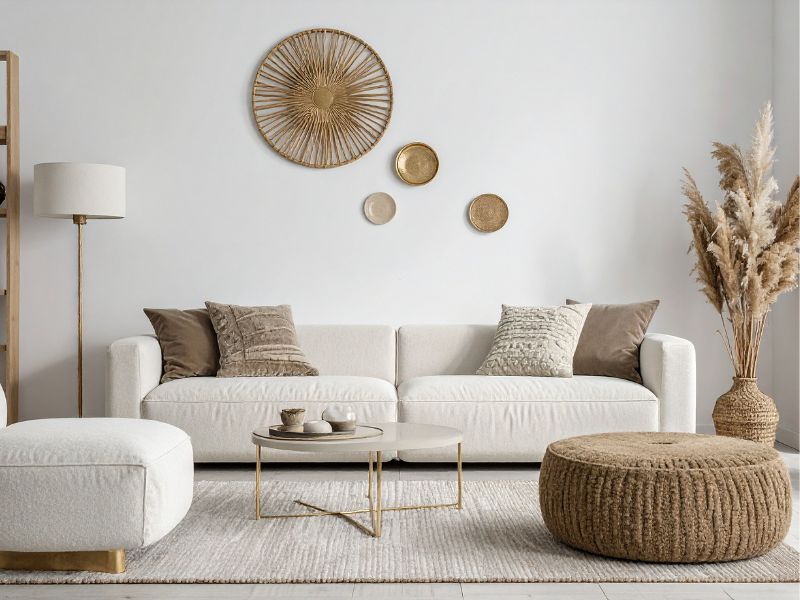
When you’re staring at 35 home interior design ideas possibilities, it’s easy to feel like you need to make a massive statement right away. But often, the most sophisticated homes start with a calm, neutral foundation. Think of your walls, flooring, and largest furniture pieces as the “anchor” of the room. By leaning into a palette of soft oatmeal, warm stones, or crisp linens, you aren’t just picking a color you’re creating a sense of visual breathing room.
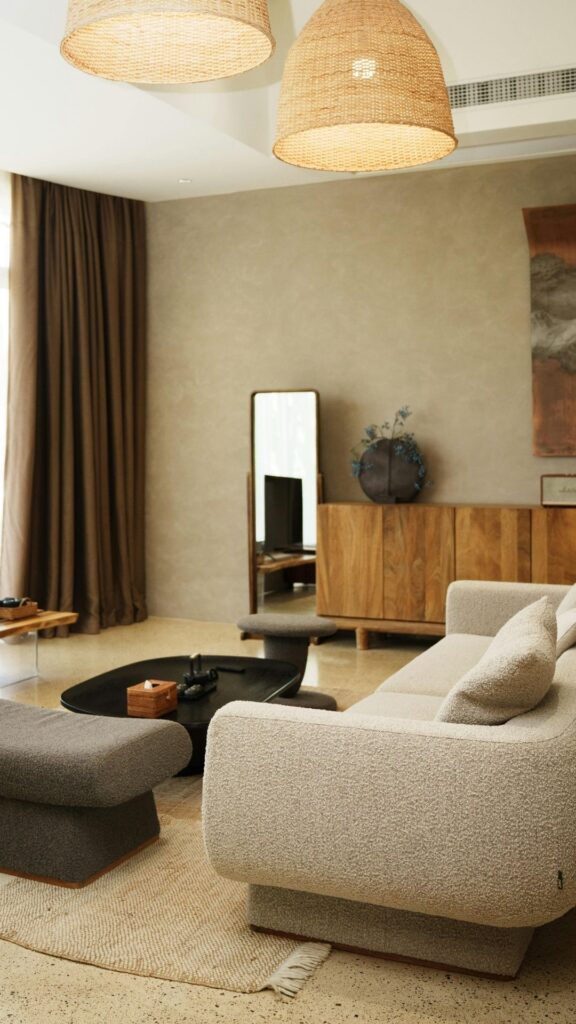
This neutral base acts as a palate cleanser for the eyes. In a world that is constantly loud and overstimulating, coming home to a space that feels grounded in earthy, muted tones can actually lower your stress levels. But don’t mistake “neutral” for “plain.” The secret to making a neutral foundation work is texture. When you strip away bold patterns and bright colors, the focus shifts to the soul of the materials, the grain of a light oak table, the weave of a jute rug, or the buttery softness of a cream leather sofa.
Starting here gives you the ultimate long term flexibility. A neutral foundation is essentially future-proof, it allows you to swap out pillows, art, or greenery as your tastes evolve without having to repaint the entire house. It is the ultimate starting point for anyone who wants their home to feel like a deep breath the moment they walk through the door, providing a steady stage for the rest of your personal style to shine.
2. Layer Different Textures to Add Depth
Once you’ve established your neutral base, the next step of these 35 home interior design ideas is to prevent the space from feeling “one-note” or cold. The secret weapon of every high end interior designer isn’t a secret color it’s the intentional layering of different textures. Texture is what gives a room its soul it creates a tactile experience that invites you to actually sit down and stay a while. Without it, even the most beautiful room can feel like a sterile showroom rather than a home.
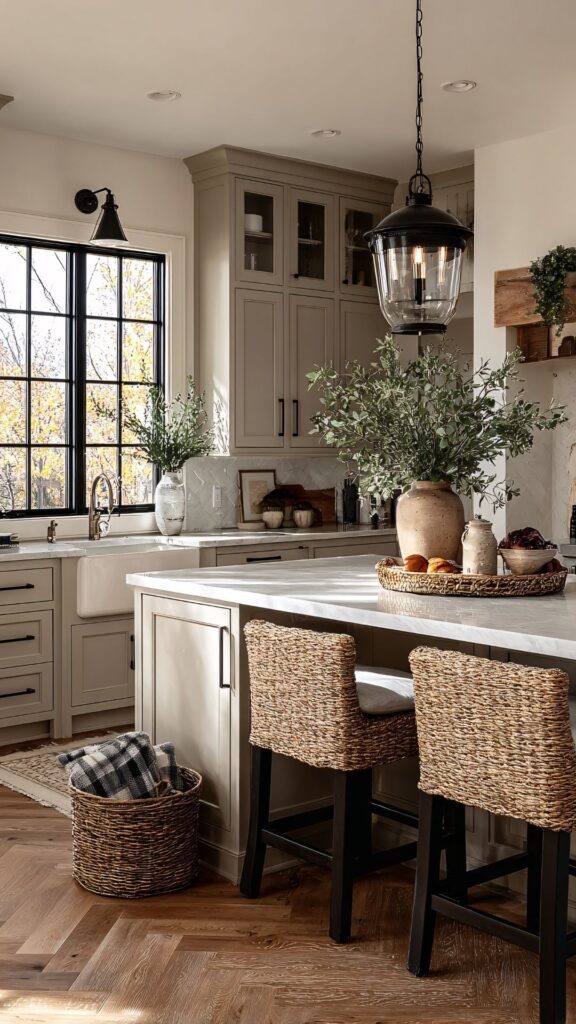
Think of layering as a way to create visual friction. When you place a smooth, cold material next to something rough and organic, it instantly adds depth. Imagine a sleek, polished marble coffee table sitting on top of a thick, hand knotted wool rug, or a buttery leather armchair draped with a chunky, oversized knit throw. These contrasts tell your eyes where to look and give the room a sense of history and richness.
3. Treat Lighting as Part of the Design
If furniture is the “body” of a room, lighting is the “jewelry.” Too often, we treat lighting as a mere utility something we click on just so we can see but in a truly curated home, lighting is treated as a foundational part of the design itself. It has the power to completely shift the mood, dictate the scale of a room, and highlight the textures you’ve worked so hard to layer.
To design with light like a professional, you have to move away from the “big light” (that single, lonely overhead fixture) and start thinking in layers.
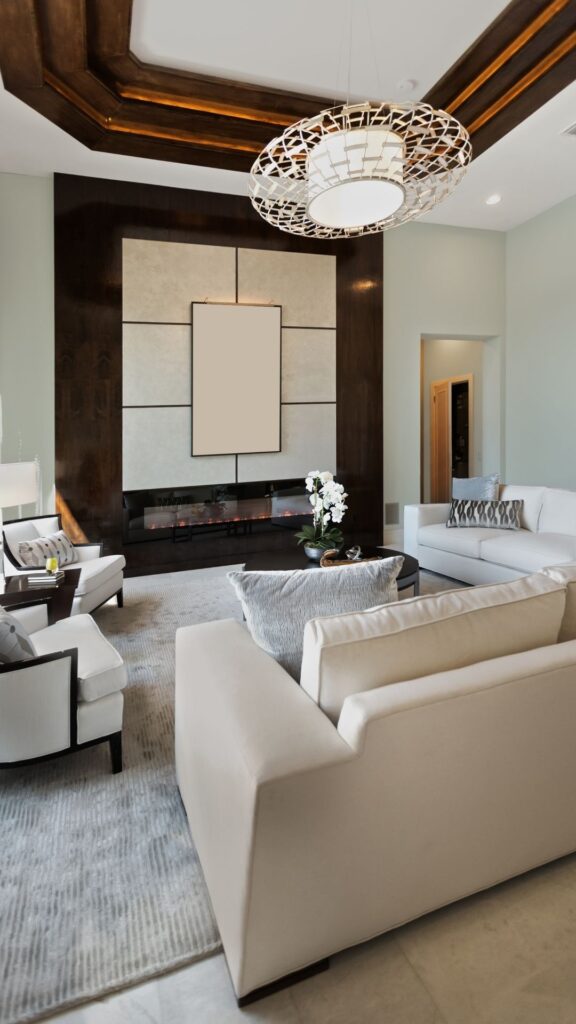
A well-designed room uses three distinct types of lighting to create depth
1. Ambient Lighting: This is your general overhead glow, but it should always be soft. If you can, put everything on a dimmer switch. It’s the easiest way to transition a room from “functional workspace” to “intimate evening sanctuary.”
2. Task Lighting: These are your functional stars the sleek brass floor lamp over your reading chair or the under-cabinet LEDs in the kitchen. These pieces should be as beautiful as they are useful.
3. Accent Lighting: This is where the drama happens. Use picture lights to illuminate art, or small “up-lights” tucked behind a large floor plant to cast beautiful, architectural shadows on your neutral walls.
Beyond the glow, the fixtures themselves should be treated as sculptures. A bold, oversized pendant light over a dining table or a pair of fluted glass sconces in a hallway act as focal points that draw the eye upward, making the ceiling feel higher and the room feel more intentional. When you treat lighting as an art form rather than an afterthought, you stop just “lighting up a room” and start “creating an atmosphere.”
4. Choose One Statement Piece Per Room
When you’re looking at 35 different design styles, the temptation is to try and fit everything you love into a single space. However, the secret to a room that feels sophisticated rather than cluttered, is the discipline to choose just one statement piece. Think of this as the “hero” of the room. It’s the item that catches your eye the moment you walk through the doorway and sets the tone for everything else surrounding it.
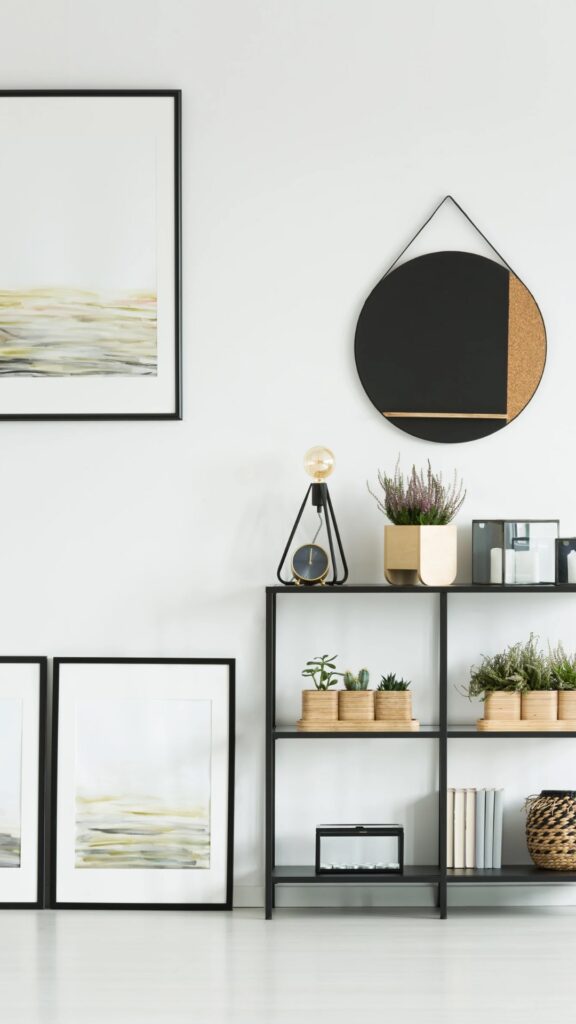
A statement piece doesn’t always have to be loud or neon; it just needs to have presence. It could be:
1 An oversized, velvet sofa in a deep earth tone that grounds your neutral living room.
2 A vintage, hand-carved wooden armoire that adds a sense of history to a modern bedroom.
3 A large-scale piece of abstract art that pulls all the subtle colors of the room together.
The reason this works so well is balance. When every item in a room is shouting for attention the rug, the wallpaper, the light fixture, and the sofa nothing actually gets seen. By choosing one primary focal point, you give the eye a place to rest. Everything else in the room then takes on a “supporting role,” working quietly to complement that main piece rather than competing with it.
Designing this way also makes your budget go further. Instead of buying five mediocre items, you can invest in one high-quality, soul-stirring piece that defines the entire space. It’s about quality over quantity, and the confidence to let one great design choice speak for itself.
5. Scale Furniture to Fit the Space
Furniture that doesn’t fit the scale of a room can instantly throw off the entire design. Oversized furniture in small spaces makes rooms feel cramped, while furniture that’s too small in large rooms can feel underwhelming and disconnected.
Always measure before buying. Consider how furniture will relate to the room’s dimensions, ceiling height, and walkways. Well scaled furniture allows your home to feel balanced, comfortable, and easy to move through which is just as important as how it looks.
6. Create a Cohesive Color Palette
One of the most frequent mistakes I see even in homes with beautiful furniture, is a disconnection between the size of the pieces and the size of the room. You can have the most stunning sofa in the world, but if it’s so large that it swallows your living room, or so small that it looks like it belongs in a dollhouse, the entire design will feel “off.” To create a professional look, you have to scale your furniture to fit the actual footprint of the space.
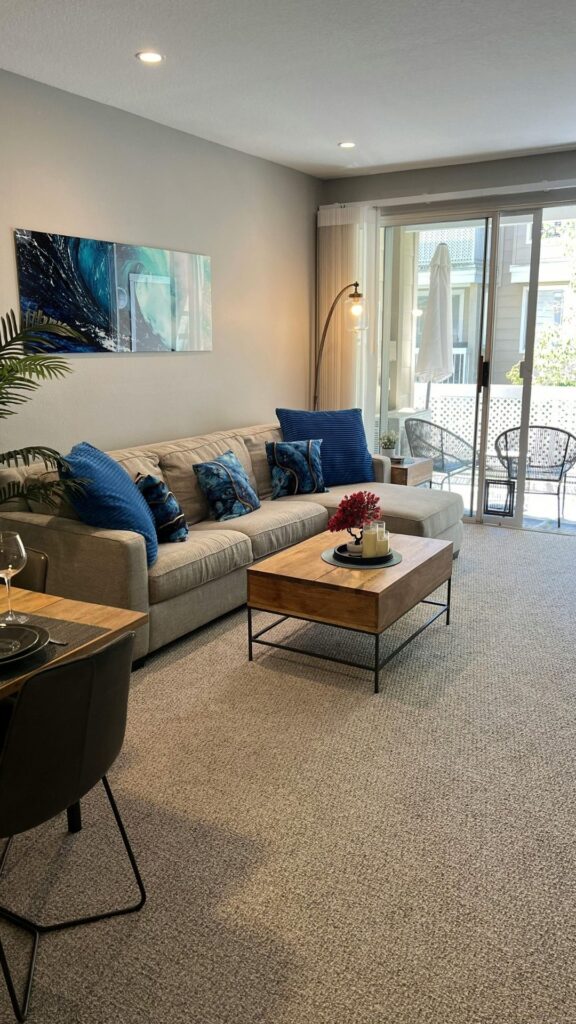
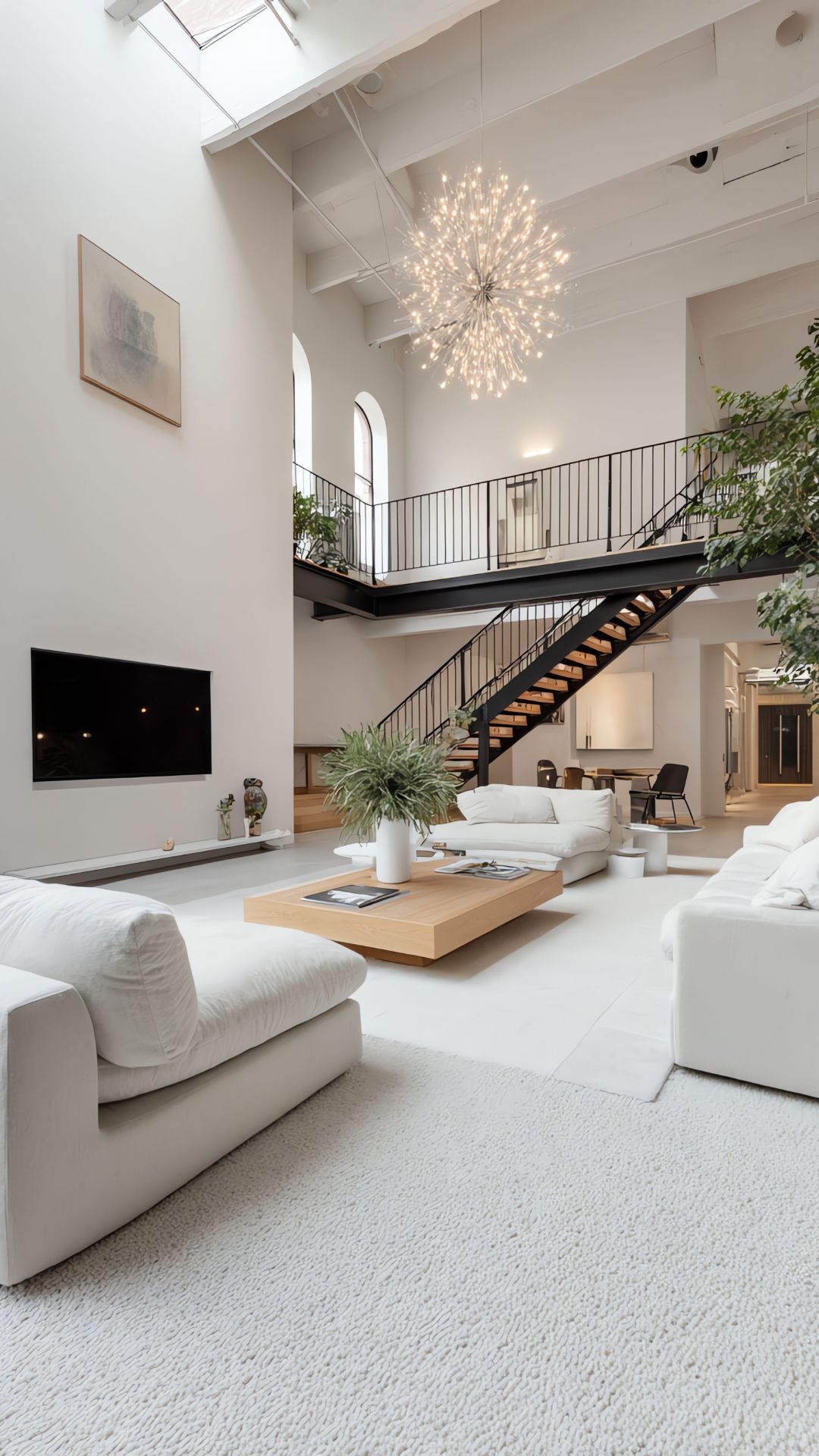
Scale is all about the relationship between objects. In a large, open concept room with high ceilings, you need “heavy” pieces think of deep seated sectionals, tall bookshelves, and oversized coffee tables to anchor the space and keep it from feeling empty or cavernous. Conversely, in a smaller apartment, you want furniture with a “lighter” visual weight. This might mean choosing a sofa with exposed legs rather than one that sits flush to the floor, or opting for a glass-topped table that allows the eye to travel through it, creating the illusion of more square footage.
Before you buy, I always recommend the “Tape Measure Test.” Use painter’s tape to outline the dimensions of a new piece on your floor. This helps you visualize how much “walking room” you’ll have left. A room should feel cozy and filled, but it also needs to breathe.
When you get the scale right, the room feels balanced and intentional. It’s not just about fitting the furniture inside the four walls; it’s about ensuring the furniture feels like it was made for those walls. By respecting the proportions of your home, you transform a cluttered layout into a curated environment.
7. Incorporate Warm Wood Tones
If a room feels a little too “flat” or clinical, the fastest way to fix it is to introduce wood. There is something inherently grounding about natural timber; it brings an earthy, organic energy that synthetic materials just can’t replicate. Incorporating warm wood tones is the secret to making a modern home feel “lived-in” and soulful rather than cold or staged.
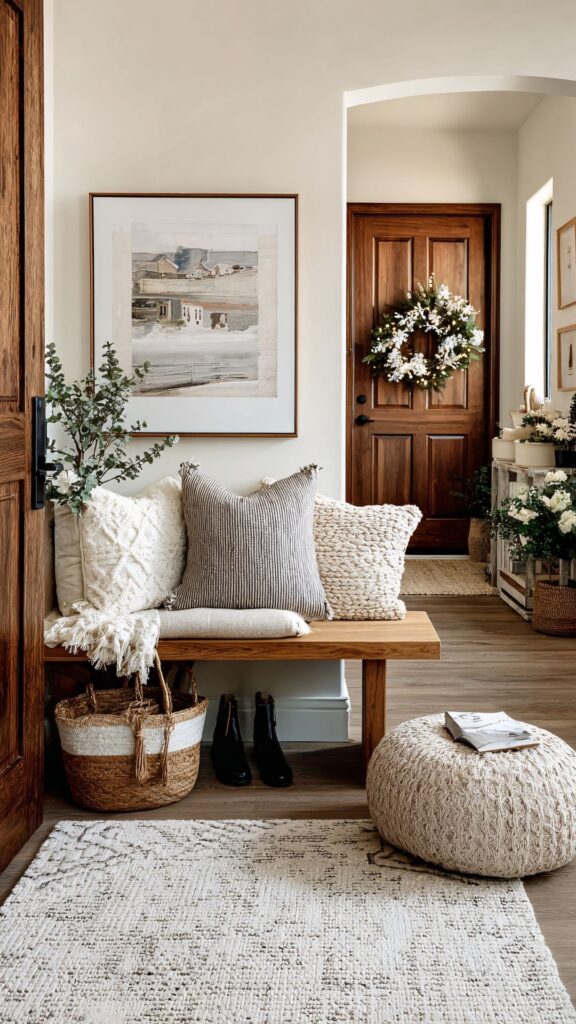
The key to doing this like a designer is to avoid being too “matchy-matchy.” We’ve all seen the sets where the coffee table, the side tables, and the TV stand all feature the exact same oak finish it ends up looking a bit dated and flat. Instead, aim for a curated mix of wood grains. You can absolutely pair a light, honey-toned white oak with a deeper, richer walnut. As long as the undertones are similar (keep them all “warm” or all “cool”), mixing the species of wood makes the room feel like it was collected over time rather than bought in a single afternoon
8. Style With Odd Numbers for Visual Balance
When styling shelves, coffee tables, or consoles, grouping items in odd numbers creates a more natural and pleasing look. Groups of three or five feel less rigid and more organic.
This principle works especially well when combining objects of different heights and textures. The variation keeps the arrangement visually interesting while still feeling cohesive. It’s a simple styling rule that instantly elevates your décor.
9. Arrange Living Room Furniture for Connection
A living room should invite conversation and comfort, not just look good in photos. Furniture placement plays a huge role in how welcoming the space feels.
Instead of pushing all furniture against the walls, bring seating closer together. Create a layout that encourages interaction and makes the room feel intimate. A well-arranged living room feels warm, functional, and naturally inviting.
10. Use Area Rugs to Define and Anchor Spaces
Area rugs are one of the most important design elements in any room, yet they’re often treated as an afterthought. A well-chosen rug does far more than add softness underfoot it visually anchors furniture, defines zones, and brings the entire room together in a way that few other items can.
Without a rug, furniture can feel like it’s floating, especially in living rooms and open-plan spaces. An area rug grounds the seating arrangement and creates a clear sense of structure. It tells the eye where the space begins and ends, making the room feel intentional rather than scattered.
Size matters just as much as style. A rug that’s too small can actually make a room feel smaller and disconnected. Ideally, at least the front legs of your sofa and chairs should sit on the rug. In larger rooms, placing all furniture legs on the rug creates a cohesive, polished look that instantly elevates the space.
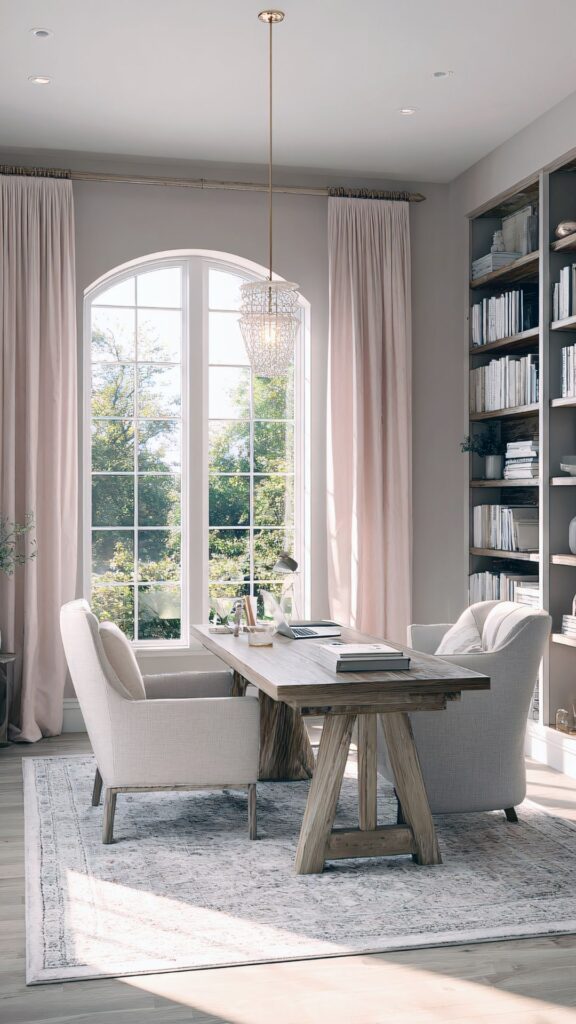
Beyond function, rugs add warmth, texture, and personality. They soften hard floors, reduce noise, and introduce color or pattern without overwhelming the room. In neutral interiors, a rug can be the element that adds quiet interest and depth, while in colorful spaces, it can balance and ground bold design choices.
In open-concept homes, area rugs are especially powerful. They help separate living, dining, and seating areas without the need for walls, allowing each zone to feel distinct while still flowing naturally into the next. When chosen thoughtfully, a rug doesn’t just decorate a room, it defines how the space is experienced and enjoyed every day.
11. Mix Old and New Pieces Thoughtfully
The most interesting homes feel collected over time, not bought all at once. Mixing vintage or antique pieces with modern furniture adds depth and character.
Old pieces bring history and charm, while newer ones provide structure and comfort. Together, they create a balanced, layered look that feels authentic rather than showroom-perfect. This mix keeps your home from feeling flat or predictable.
12. Bring Nature Indoors
Natural elements instantly soften interiors and make them feel more alive. Houseplants, natural stone, clay pottery, woven baskets, and linen textiles all help connect your home to nature.
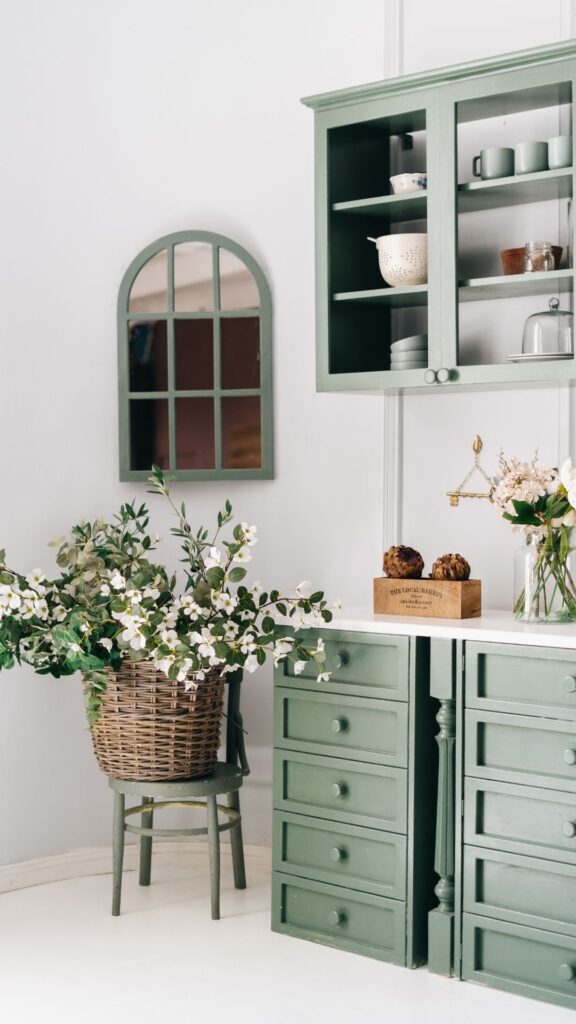
Plants in particular add movement, color, and freshness to a space. Even one plant can change how a room feels. Nature-inspired interiors promote calm and balance something every home can benefit from.
13. Use Mirrors Strategically to Enhance Light and Space
Mirrors are one of the most powerful tools in interior design, yet they’re often underused or placed without intention. When positioned thoughtfully, mirrors can completely transform how a room feels. They reflect natural light, brighten dark corners, and create the illusion of more space especially in small homes or apartments.
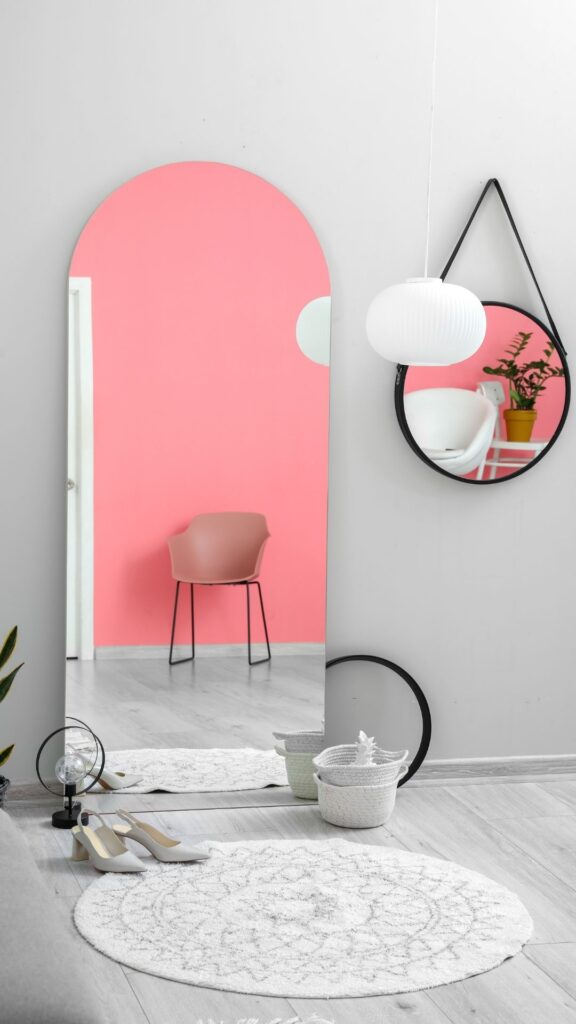
Placing a mirror opposite a window allows daylight to bounce around the room, making it feel airy and open. In narrow spaces like hallways or entryways, mirrors visually widen the area and prevent it from feeling closed in. Beyond function, mirrors also act as decorative elements. An oversized mirror with a beautiful frame can serve as a statement piece, adding elegance and personality without cluttering the room.
The key is choosing mirrors that align with your home’s style, minimal frames for modern interiors, vintage or arched mirrors for softer, classic spaces.
14. Keep Walkways Open and Uncluttered
Good interior design isn’t only about what you see it’s about how you move. A well-designed home should feel effortless to walk through. When furniture placement blocks pathways or forces awkward movements, the space immediately feels uncomfortable, no matter how beautiful it looks.
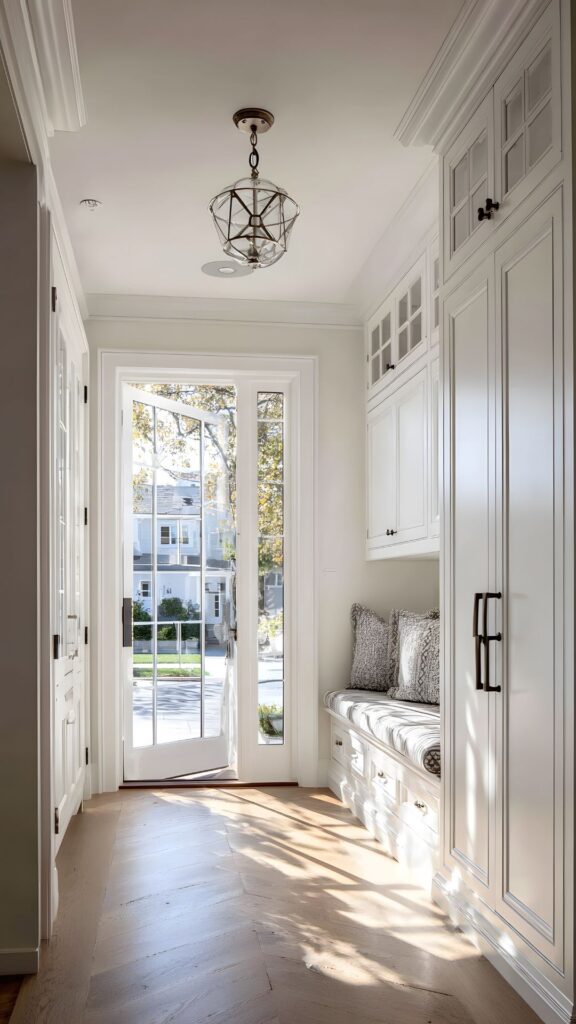
Clear walkways create a sense of flow and ease. They help rooms feel larger, calmer, and more functional. This is especially important in high-traffic areas like living rooms, kitchens, and entryways.
Before adding more furniture or décor, take a moment to walk through your space and notice where movement feels tight. Sometimes removing one unnecessary piece is all it takes to dramatically improve how a room feels.
15. Create a Dedicated Reading or Relaxation Corner
A home feels more intentional when it includes spaces designed for slowing down. A reading or relaxation corner doesn’t need much — just a comfortable chair, a small side table, and good lighting but it adds immense value to your home.
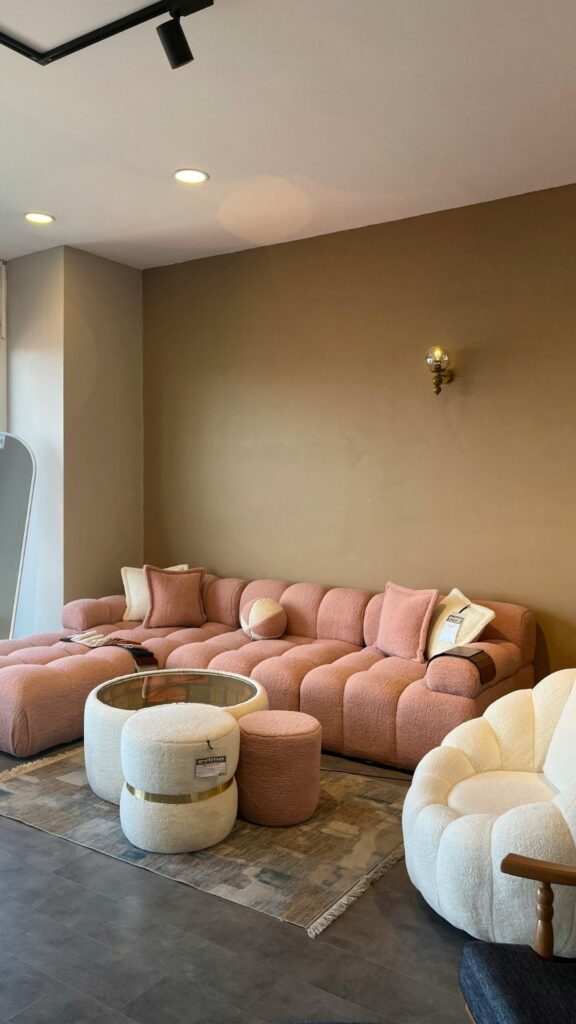
This kind of corner encourages rest and mindfulness. It becomes a place where you can read, journal, pray, or simply sit quietly without distractions. Even in small homes, carving out a single corner for rest can make your space feel more luxurious and thoughtful.
Choose soft textures, calming colors, and warm lighting to make the area feel inviting rather than staged.
16. Style Coffee Tables With Purpose, Not Clutter
Coffee tables are often the center of a living room, yet they’re easily overstyled. The goal is to strike a balance between beauty and practicality.
Instead of filling the table with too many decorative items, choose a few meaningful pieces: a tray to anchor the arrangement, a book or two for height, and one decorative object for interest. Leave negative space so the table can still be used in everyday life.
A well-styled coffee table should feel intentional but livable, never precious or untouchable.
17. Hang Curtains High to Visually Raise Ceilings
One of the easiest ways to make a room feel taller and more elegant is by hanging curtains closer to the ceiling rather than directly above the window frame. This simple trick draws the eye upward and creates the illusion of higher ceilings.
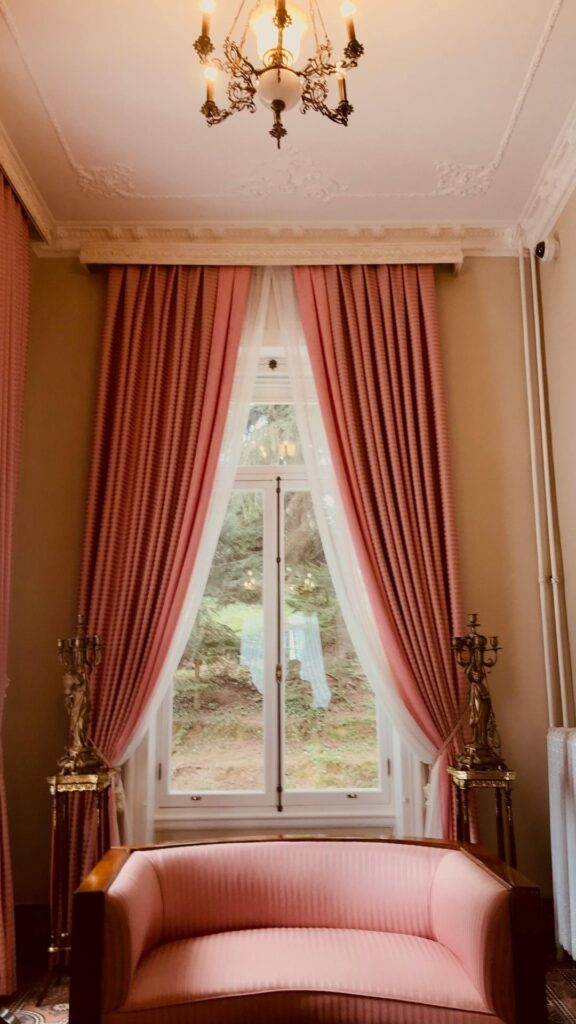
Long curtains that skim the floor also add softness and movement to a room. Choose lightweight fabrics like linen or sheer materials if you want an airy feel, or heavier fabrics for a more dramatic and cozy effect.
Curtains aren’t just functional, they frame windows and significantly impact the overall mood of a space.
18. Prioritize Timeless Design Over Fast Trends
Trends are exciting, but they fade quickly. A home designed entirely around trends can feel outdated within a few years. That’s why timeless design always wins in the long run.
Neutral furniture, classic shapes, and quality materials age beautifully and adapt easily to changing styles. You can still enjoy trends by incorporating them through accessories like pillows, throws, or artwork, items that are easy and affordable to replace.
A timeless foundation ensures your home feels relevant and refined for years to come.
19. Add Softness With Upholstered Pieces
Hard surfaces dominate many interiors, wood floors, stone countertops, metal finishes. Upholstered furniture helps balance this by adding softness and comfort.
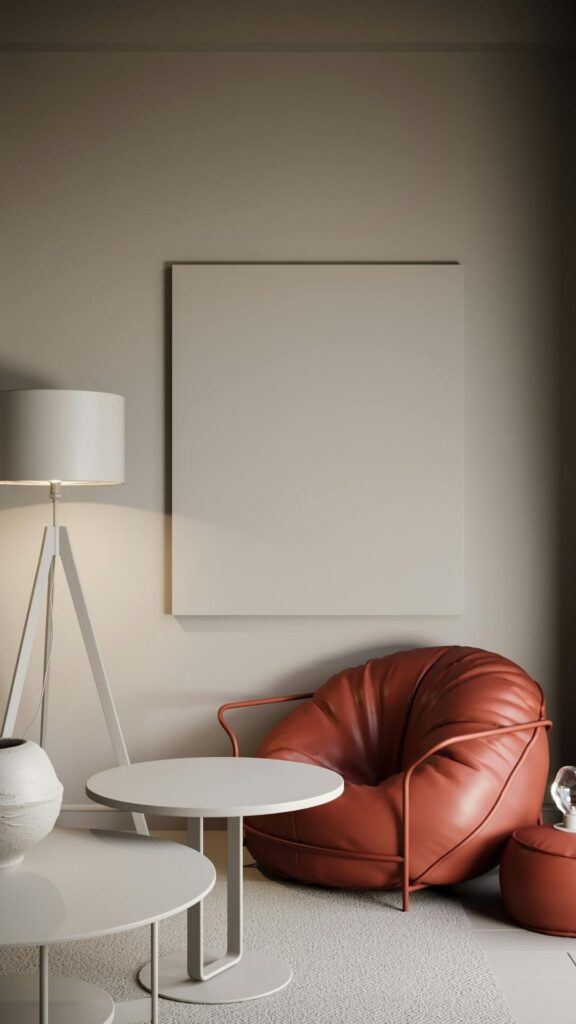
An upholstered bench, headboard, or accent chair instantly makes a room feel warmer and more inviting. Fabric choices like linen, velvet, or cotton blends add texture and visual interest without overwhelming the space.
Comfort should never be sacrificed for style. The best interiors offer both.
20. Design Each Room Around Its Primary Function
For this 35 home interior design ideas, Before decorating any space, ask yourself how it will actually be used. A beautiful room that doesn’t support your daily routine will never feel right.
A living room should encourage conversation and relaxation. A bedroom should promote rest. A dining area should feel welcoming and practical. When function comes first, design choices become clearer and more intentional.
This approach prevents wasted space and helps your home truly serve your lifestyle.
21. Style Open Shelving With Restraint
Open shelving has a way of making a home feel light, curated, and lived-in, but only when it’s styled with intention. When shelves are overfilled, they quickly become visual noise, making a space feel cluttered and overwhelming rather than calm and elevated. The secret to beautiful open shelving is restraint.
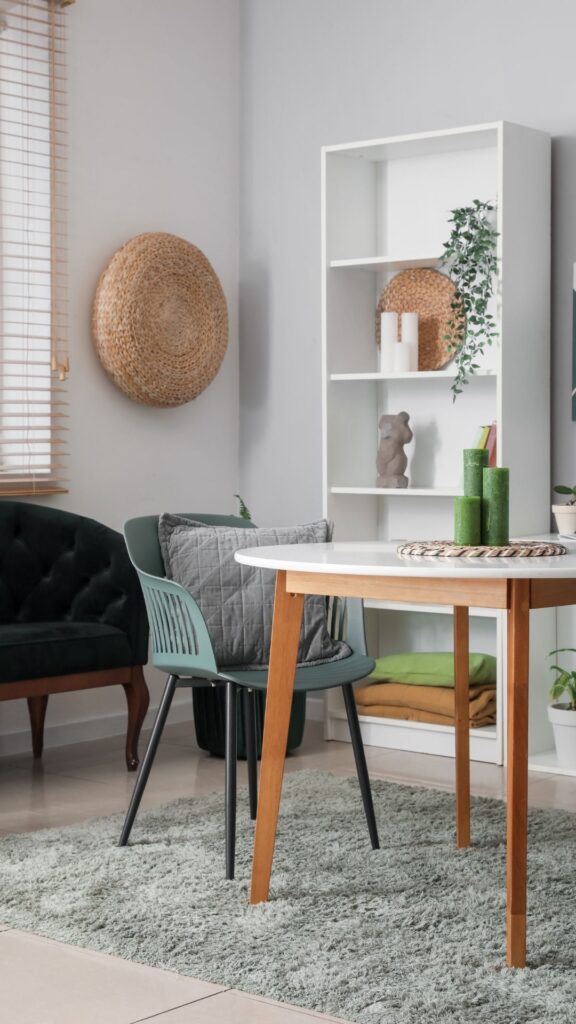
Instead of trying to fill every inch, allow your shelves to breathe. Empty space is not wasted space, it’s what allows each object to stand out and feel appreciated. Choose a small collection of items that are both useful and meaningful, such as ceramic bowls, cookbooks, woven baskets, or simple vases. Mixing functional pieces with decorative ones creates balance and prevents shelves from feeling purely ornamental.
Varying height, texture, and shape also adds visual interest without overcrowding the shelf. Stack books horizontally, place a taller object beside something lower, and incorporate natural materials like wood or clay for warmth. Keeping the color palette soft and cohesive helps the shelves feel calm and intentional rather than chaotic.
22. Use Art to Express Personality and Emotion
Art is one of the most personal elements in a home. It has the power to evoke emotion, tell stories, and reflect who you are in a way that furniture alone never can. A thoughtfully chosen piece of art can change how a room feels, turning it from simply styled into deeply meaningful.
Art walls can be Prints, photography, textiles, framed sketches, or even pages from books can become beautiful expressions of personality. What matters most is how the piece makes you feel calm, inspired, nostalgic, hopeful. When art connects emotionally, it brings warmth and authenticity into your space.
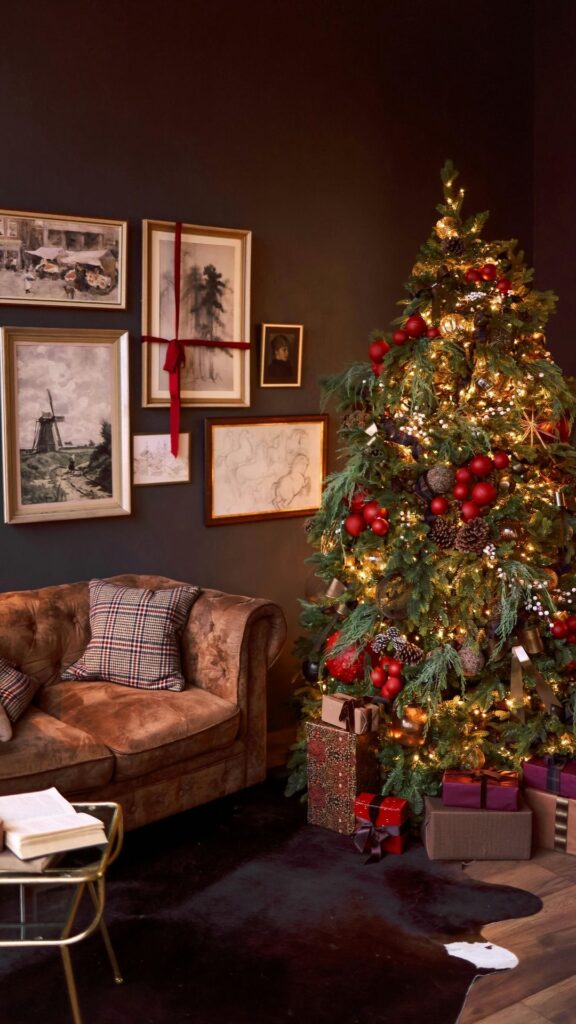
Placement also plays a role. Large art can anchor a room and serve as a focal point, while smaller pieces grouped together create an intimate, collected feel. Whether bold or subtle, art should feel intentional and aligned with the mood of the space.
When you decorate with art that resonates with you, your home stops feeling like a showroom and starts feeling like a reflection of your inner world, layered, expressive, and beautifully human.
23. Introduce Curves to Soften Harsh Lines
Straight lines dominate modern architecture, but too many sharp edges can make a space feel cold. Curved furniture and décor help soften the overall look.
Round mirrors, curved sofas, arched lamps, and circular tables add visual flow and warmth. These gentle shapes create a more inviting and relaxed atmosphere. Even small curved elements can significantly change how a room feels in this 35 home interior design ideas.
24. Pay Attention to Entryway Design
Your entryway sets the tone for your entire home. Even if it’s small, it deserves thoughtful design.
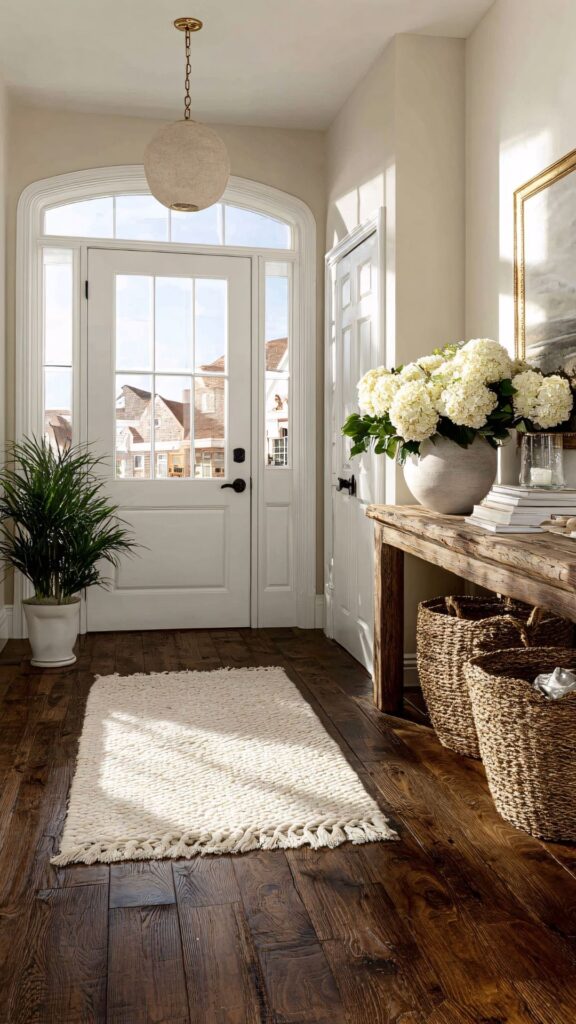
A console table, mirror, basket, or bench can transform an entryway into a welcoming and functional space. It’s the first thing you see when you come home and the last thing you see when you leave. A well designed entryway creates a sense of arrival, calm, organized, and inviting.
25. Layer Your Bedroom Like a Retreat, Not Just a Place to Sleep
Your bedroom should feel like an escape from the outside world not just a room with a bed. One of the most effective ways to elevate your bedroom is through intentional layering. This includes layered bedding, soft pillows, textured throws, and warm lighting that immediately signals rest and comfort.
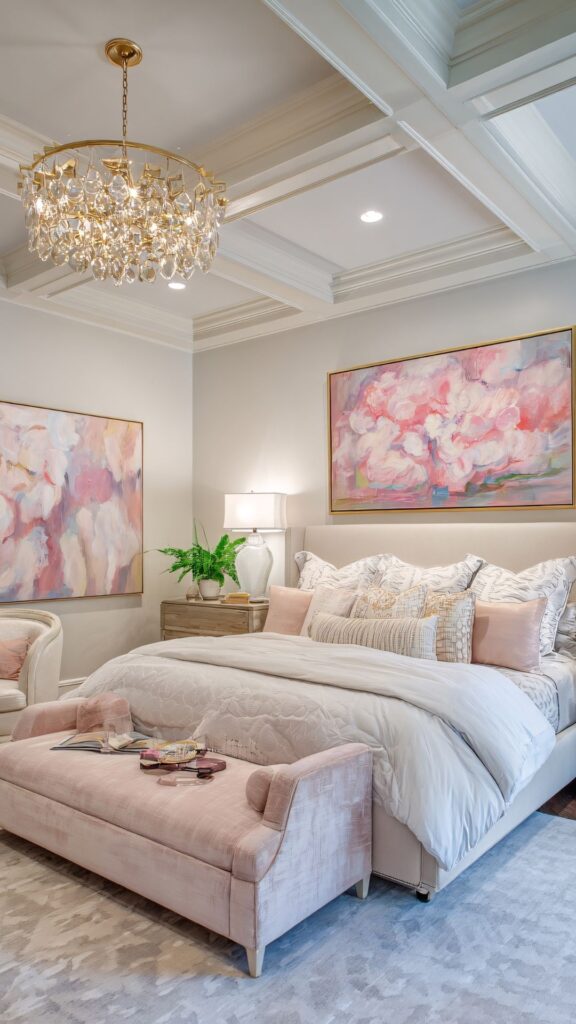
Instead of matching everything perfectly, aim for harmony. Mix different fabrics like cotton sheets, linen duvets, and a chunky knit throw. Add depth with varying pillow sizes and subtle patterns. These layers make the bed look inviting while also making the room feel styled and complete.
When your bedroom feels calming and intentional, it improves not just how the space looks but how you rest and recharge every night.
26. Use Accent Walls Thoughtfully and With Restraint
Accent walls can be incredibly impactful when done with intention, but overwhelming when overused. The goal of an accent wall isn’t to dominate the room , it’s to gently draw the eye and add interest.
Paint, wallpaper, textured panels, or even wood slats can all work beautifully depending on the style of your home. The key is choosing a wall that already has presence, such as the wall behind a bed or sofa.
When paired with a mostly neutral room, an accent wall adds personality without making the space feel busy or chaotic.
27. Mix Metal Finishes for a Collected Look
Mixing metals adds depth and character to a space, but it must be done carefully. Instead of sticking to one finish everywhere, choose two complementary metals, for example, brass and black, or chrome and brushed nickel.
Use one metal as the dominant finish and the other as an accent. This approach keeps the room cohesive while preventing it from feeling flat or overly coordinated. When metals are layered thoughtfully, they make a space feel curated rather than showroom-perfect.
28. Keep Surfaces Clear to Create a Sense of Luxury
One of the fastest ways to make a home feel expensive and elevated is by keeping surfaces mostly clear. Clutter, even when made up of beautiful items, can overwhelm a space and distract from its design.
This doesn’t mean your home needs to feel empty or sterile. It means being selective. Display only what adds value, emotionally or visually and store the rest. Clear countertops, nightstands, and consoles allow your home to breathe and instantly make it feel calmer and more refined.
29. Use Baskets and Hidden Storage to Balance Beauty and Function
Storage doesn’t have to be ugly to be effective. Baskets, storage ottomans, and decorative boxes are excellent tools for hiding everyday clutter while still contributing to the overall design.
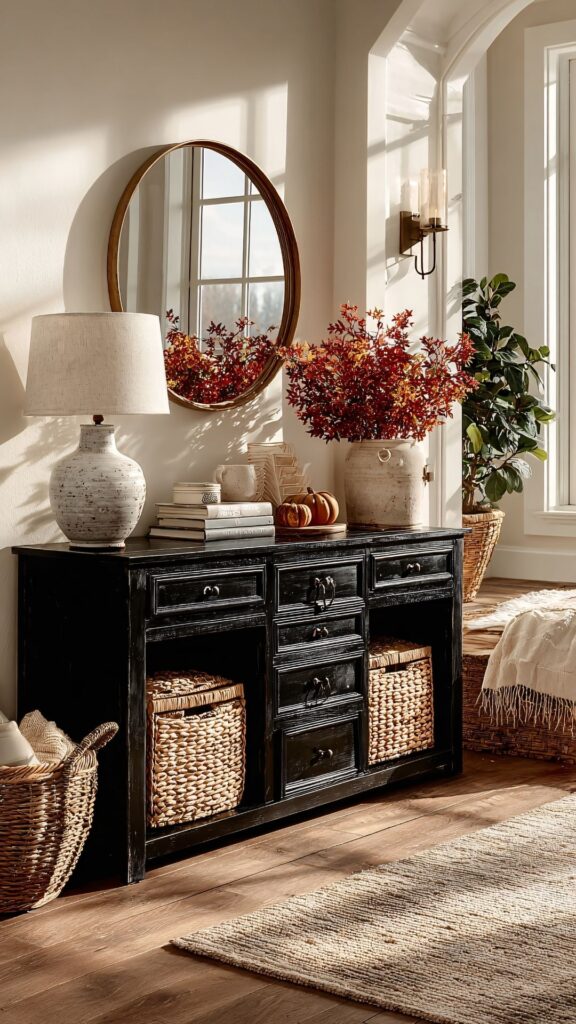
Natural materials like woven baskets add warmth and texture, making storage feel intentional rather than purely functional. They’re perfect for blankets, magazines, toys, or even shoes.
When storage solutions blend seamlessly into your décor, your home stays organized without sacrificing style.
30. Allow Your Home to Evolve Slowly Over Time
One of the biggest mistakes people make in interior design is rushing the process. A truly beautiful home is rarely created overnight. It evolves slowly as you live in it.
Allow yourself time to understand how you use each space. Notice what feels missing, what feels unnecessary, and what brings you joy. This approach leads to more thoughtful decisions and fewer regrets.
A home that grows with you feels authentic, not forced or overly styled.
31. Choose Comfort as a Non-Negotiable Design Element
No matter how beautiful a space looks, if it isn’t comfortable, it won’t be enjoyed. Comfort is not the opposite of good design — it is good design.
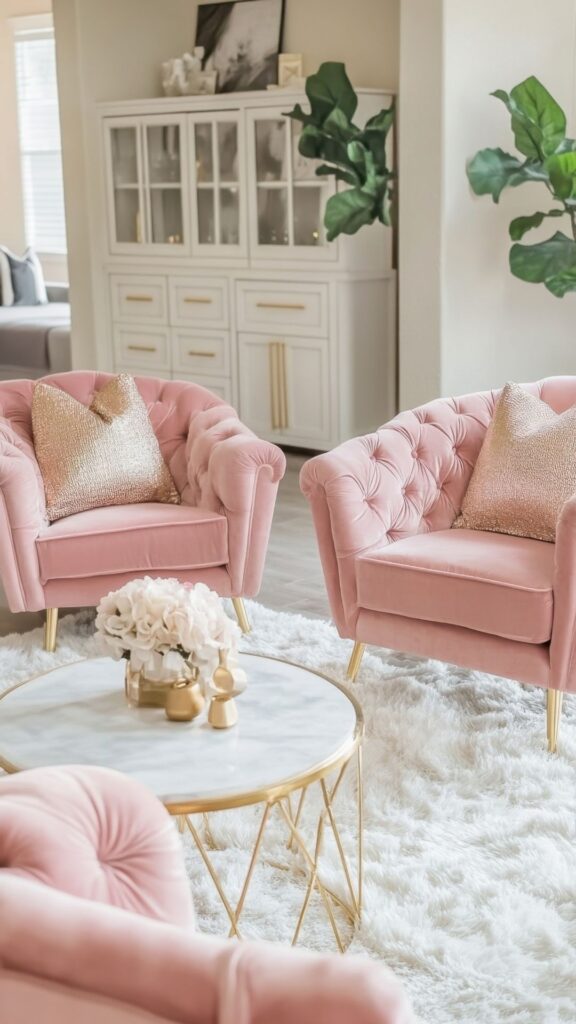
Choose sofas you can actually relax on, chairs that support your body, and materials that feel pleasant to touch. Comfort creates emotional attachment to a space.
When people feel comfortable in your home, they stay longer, relax more, and feel more connected to the environment you’ve created.
32. Use Scent to Complete the Interior Experience
This guide for 35 home Interior design ideas isn’t only visual, it’s also covers sensory. Scent plays a powerful role in how a space feels and how it’s remembered. Candles, essential oil diffusers, fresh flowers, or even natural ventilation can completely change the atmosphere of a room. Choose scents that feel calming and subtle rather than overpowering.
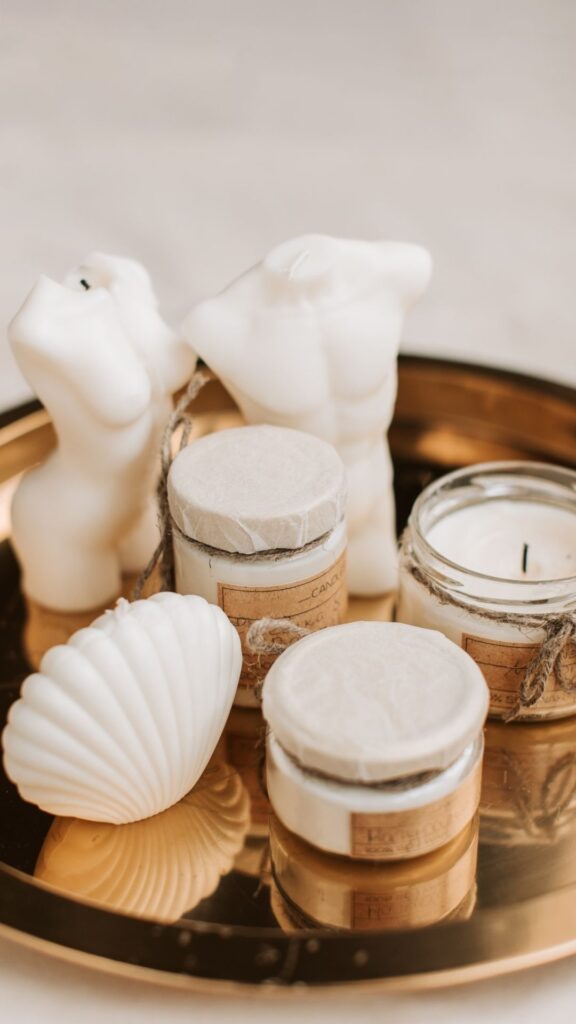
A home that smells good feels clean, welcoming, and emotionally comforting.
33. Edit Your Space Regularly Instead of Constantly Adding
In this 35 home interior design ideas, Great design often comes from removing rather than adding. Over time, even well-designed spaces can become cluttered with items that no longer serve a purpose.
Periodically editing your space helps you reconnect with what truly matters. Remove items that feel heavy, outdated, or unnecessary, and allow your favorite pieces to shine. Editing keeps your home feeling fresh, intentional, and aligned with your current life.
34. Trust Your Personal Taste Over External Opinions
It’s easy to get overwhelmed by trends, social media, and other people’s opinions. But the most beautiful homes are the ones that reflect the people who live in them.
If a piece makes you happy, calms you, or feels meaningful, it belongs in your home, regardless of whether it’s trendy or not. Trusting your instincts leads to a space that feels genuine and deeply personal.
35. Make Your Home Personal, Not Perfect
In the age of perfectly filtered social media feeds and staged showroom photos, it’s easy to fall into the trap of thinking your home needs to look like a museum. But here is the truth that every great designer knows: a “perfect” home can often feel cold and uninviting. The most beautiful spaces aren’t the ones that follow every rule of symmetry; they are the ones that tell the story of the people who live there. The goal for this 35 home interior design ideas, should always be to make your home personal, not perfect.
A home becomes personal through the “cracks” in the design the things that can’t be bought in a big-box store. It’s the stack of well-worn books on the coffee table, the gallery wall filled with mismatched frames from your travels, or the antique chair passed down through your family that doesn’t technically match the sofa but feels exactly right. These are the elements that give a room its “soul.”
If you loved this inspiration for 35 home interior design ideas, Please do well to Check out my post on
Small space decorating ideas, Small Kitchen makeover ideas on a budget , Bathroom makeover ideas, Home interior ideas for living room,