
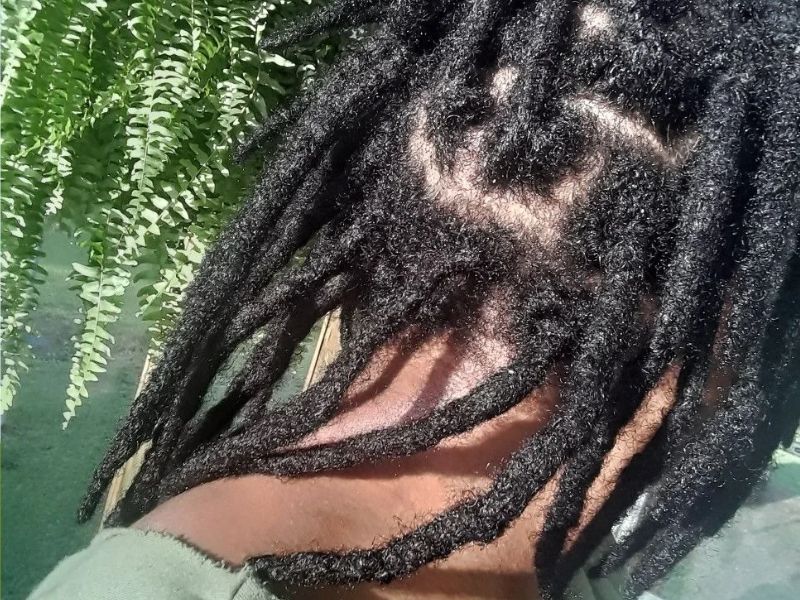
10 Mistakes That Make Locs Dry, Brittle and Weak (And How to Fix Them)
Locs are beautiful, versatile and capable of growing into different lengths, shapes and styles. However, keeping them healthy requires more than simply allowing your hair to lock. Like other natural hairstyles, locs need proper care, gentle handling and a maintenance routine that supports the health of your scalp and hair.
One of the most frustrating things loc wearers experience is dry, brittle or weak locs. You may notice that your hair feels rough when you touch it, your locs break more easily than they used to, the ends appear thin, or your hair no longer feels as strong and flexible as it once did. Sometimes, your locs may look dull, feel stiff or develop little broken pieces whenever you style or handle them.
These problems don’t always happen overnight. In many cases, they develop gradually as a result of everyday hair-care habits that may seem harmless. You might be using too much heat, washing your hair incorrectly, neglecting your scalp, applying products that leave buildup or wearing hairstyles that put unnecessary tension on your locs.
In this guide, we will explore 10 mistakes that make locs dry, brittle and weak, what they can do to your hair, and how you can correct them to improve your loc-care routine.
Check Out This article on Why Are My Locs Unraveling? Causes and Ways to Prevent It
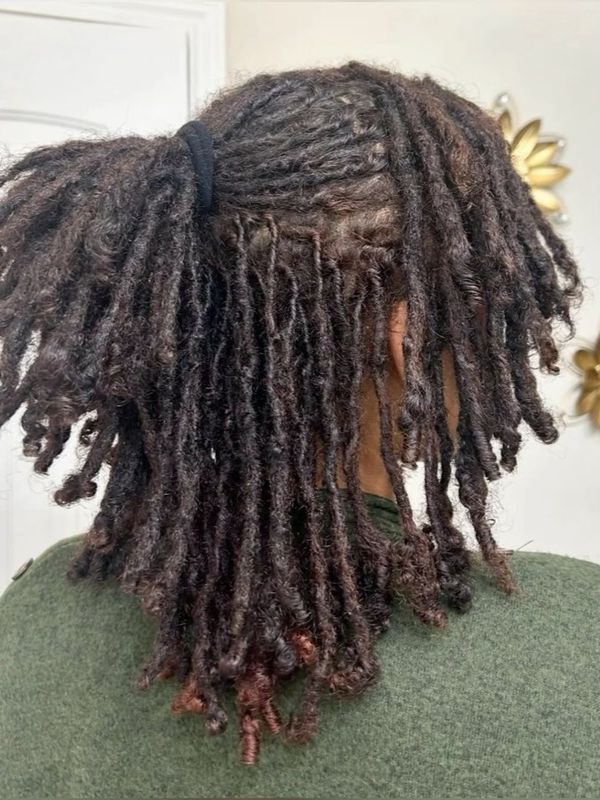
10 Mistakes That Make Locs Dry, Brittle and Weak.
1. Not Moisturizing Your Locs When They Need It
One of the common mistakes people make when caring for locs is assuming that because their hair is locked, it does not need moisture.
Locs still need moisture. The locking process changes the structure and appearance of your hair, but it does not eliminate the need to care for the strands that make up each loc.
When your hair is not receiving adequate moisture, it may begin to feel rough, stiff or less flexible. You may notice that your locs become difficult to handle, that the ends look dry, or that your hair breaks more easily when you style or manipulate it.
Dryness can be influenced by several factors, including environmental conditions, hair-care habits, the products you use and how frequently you wash your hair. Some people may experience dryness more frequently than others, depending on their hair texture and individual needs.
If your locs frequently feel dry, it may be time to review how you care for them.
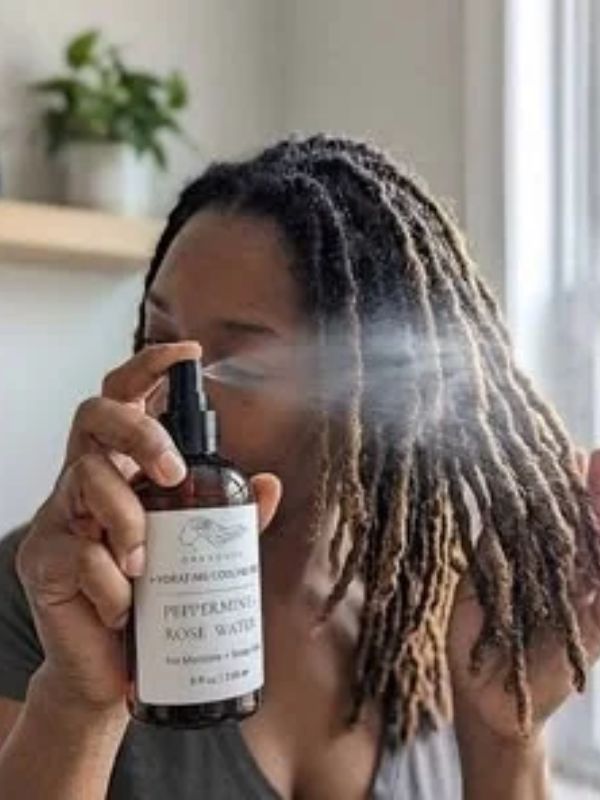
Signs your locs may need more moisture:
- Your locs feel unusually rough or stiff.
- The ends appear dry and brittle.
- Your hair feels less flexible than usual.
- You notice small broken pieces when handling your locs.
- Your locs appear dull or lack their usual softness.
How to correct this mistake:
Consider incorporating a lightweight moisturizing routine into your hair care. Depending on your hair’s needs, you may use water or a suitable water-based moisturizing product to help hydrate your hair.
Avoid applying large amounts of heavy creams or oils in an attempt to make your locs feel softer. These products may leave residue and contribute to buildup, especially when applied repeatedly without proper cleansing.
The goal is to provide moisture without leaving your locs coated.
Pay attention to how your hair responds. If your locs feel softer, more manageable and less brittle after adjusting your routine, you may have found a more suitable approach.
2. Using Too Much Heat on Your Locs
Heat styling can help you achieve different hairstyles, but excessive heat may weaken your hair over time.
If you frequently use blow dryers on high heat, flat irons, curling wands or other heat-styling tools, you may expose your locs to more heat than they can tolerate without damage.
Heat can damage the hair’s structural proteins and affect the cuticle, which is the outer protective layer of the hair. When the hair becomes damaged, it may lose some of its elasticity and become more susceptible to breakage.
This can be particularly concerning when your locs are already dry or fragile.
You may notice that your locs feel rougher after repeated heat styling, that the ends begin to break, or that certain sections become thinner than others.
Although heat does not automatically damage every loc, frequent exposure to high temperatures can increase the risk of damage.
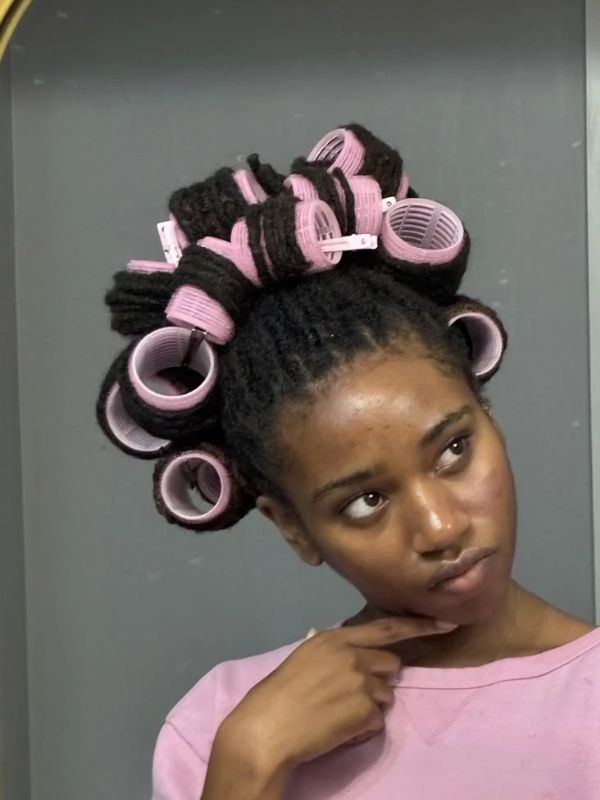
How to protect your locs from heat:
- Reduce how frequently you use heat-styling tools.
- Avoid using the highest heat setting whenever possible.
- Allow your locs to air-dry when practical.
- Avoid repeatedly blow-drying the same sections.
- Be mindful when using heat to create curls or other styles.
- Make sure your locs dry thoroughly, especially after washing.
If you enjoy styling your locs with heat, consider whether you can achieve similar styles using heat-free techniques.
For example, you can use loc rollers, braiding techniques or other methods that allow your hair to develop curls without exposing it to excessive heat.
Protecting your locs from unnecessary heat may help preserve their strength and reduce the risk of damage over time.
3. Retwisting Your Locs Too Frequently or Too Tightly
Retwisting is a common maintenance technique used to keep the roots of locs looking neat and to guide new growth into the existing loc structure. However, retwisting too frequently or too tightly can put unnecessary stress on your hair.
When you repeatedly tighten the roots of your locs, you may create tension around the follicles. Over time, excessive tension can contribute to thinning, breakage and traction-related hair loss.
The problem is not retwisting itself. Rather, it is the amount of tension involved and how frequently the process is repeated.
Some people retwist their locs whenever they notice new growth, even when their hair may not need another maintenance session. Others may pull the roots too tightly because they want their locs to look perfectly neat.
Unfortunately, overly tight retwisting may weaken the hair around your roots, particularly when the same locs are repeatedly manipulated.
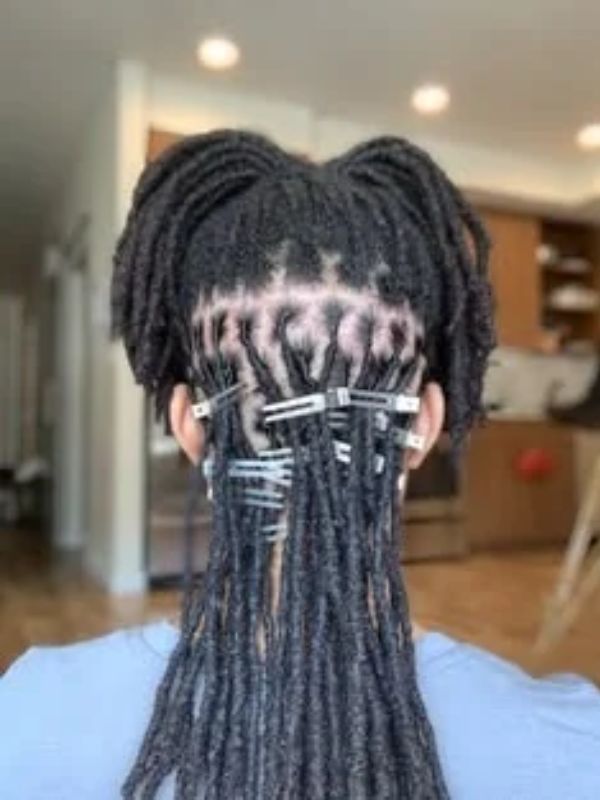
Signs your retwisting routine may be too aggressive:
- Your scalp feels sore after retwisting.
- Your roots appear thinner over time.
- Your hairline begins to look less dense.
- You notice broken hairs around the roots.
- Your locs feel excessively tight.
- You develop bumps or irritation around your hairline.
How to correct this mistake:
Give your hair enough time between retwisting sessions. Your maintenance schedule should depend on your hair texture, loc method, scalp condition and personal preferences.
Avoid pulling your locs so tightly that your scalp feels uncomfortable.
If you notice thinning around your hairline or roots, consider reducing tension and seeking advice from a dermatologist or experienced loctician.
Neat locs should not come at the expense of your scalp and hair health.
4. Washing Your Locs With Harsh or Unsuitable Products
Washing your locs is an important part of maintaining a clean scalp and healthy hair. However, the products you use can influence how your hair feels after washing.
Some shampoos may leave your hair feeling excessively dry, particularly if they are not suited to your hair or if you wash very frequently. Certain cleansing formulations may remove more of the natural oils on your scalp and hair than your hair-care routine can comfortably accommodate.
You may notice that your locs feel stiff, rough or difficult to manage after washing. If this happens regularly, consider whether your shampoo or washing routine may be contributing to the problem.
This does not mean you should avoid washing your locs. Keeping your scalp clean is important, and allowing sweat, dirt, dead skin cells and product residue to accumulate may create other problems.
Instead, focus on using a shampoo that cleanses your scalp and hair without leaving them feeling excessively stripped.
What to look for when choosing shampoo for locs:
- A shampoo that rinses out thoroughly.
- A formulation suitable for your scalp and hair.
- Products that do not leave heavy residue.
- A cleanser that does not make your hair feel excessively dry after washing.
You may also want to pay attention to how your hair feels after using a particular shampoo. If your locs consistently feel rough or unusually dry, consider trying a different formulation.
When washing, concentrate on gently cleansing your scalp, rinse thoroughly and avoid aggressively rubbing your locs together.
Your locs do not need to feel squeaky or stripped to be clean.
.5. Applying Too Much Oil Without Proper Cleansing
Oils are commonly used in loc-care routines, especially for scalp care and managing dryness. However, using too much oil may create problems when it becomes a habit.
Applying oil repeatedly without washing your hair can contribute to product buildup. Depending on the oil, the amount used and how frequently it is applied, your locs may begin to feel heavy, greasy or coated.
Oil is also not the same as water. While oils can help reduce moisture loss and improve the feel of hair, they do not directly hydrate the hair in the same way water does.
If your locs are dry, applying more oil may not be the solution you need.
You may find yourself repeatedly applying oil to your hair, expecting it to become softer, only to notice that your locs feel heavier and less manageable.
Common oil-related mistakes include:
- Applying oil every day when your scalp and hair do not need it.
- Using large amounts of oil on every loc.
- Applying oil repeatedly without washing.
- Combining several oils without knowing how your hair responds.
- Using oil to compensate for a lack of moisture.
How to correct this mistake:
Use oils sparingly, if they are beneficial to your hair and scalp. Consider applying a small amount rather than saturating your locs.
If you use oil as part of your moisturizing routine, consider applying it after using water or a suitable water-based product, rather than relying on oil alone.
However, you do not need to oil your locs every day. Some people find that their scalp and hair do well with minimal oiling.
Pay attention to your hair’s response and avoid making oil application a habit simply because you believe locs always need oil.
6. Neglecting Your Scalp
Your locs depend on the condition of your scalp, yet it is easy to focus so much on the length of your hair that you forget to care for the skin underneath.
A neglected scalp may become uncomfortable, irritated or excessively flaky. Accumulation of sweat, dirt, dead skin cells and hair-care products may contribute to scalp problems.
Although scalp neglect does not directly make every loc brittle, an unhealthy or irritated scalp may affect your overall hair-care experience. Persistent inflammation, scratching and certain scalp conditions can contribute to hair breakage or loss.
Your scalp should be part of your loc-care routine, not an afterthought.
Signs your scalp may need more attention:
- Persistent itching.
- Excessive flaking.
- Irritation or redness.
- Unpleasant odors.
- Tenderness.
- Bumps or sores.
How to care for your scalp:
- Wash your scalp regularly using a suitable shampoo.
- Avoid scratching aggressively with your fingernails.
- Avoid applying excessive amounts of products.
- Rinse thoroughly after washing.
- Avoid tight hairstyles that put stress on your scalp.
- Seek professional medical advice if you experience persistent irritation, sores or significant hair loss.
A healthy scalp-care routine does not have to involve numerous products. Regular cleansing, gentle handling and paying attention to changes can be a good starting point.
7. Wearing Tight Hairstyles Too Often
Locs can be styled in so many beautiful ways, but certain hairstyles may place unnecessary tension on your hair.
Tight ponytails, buns, updos, braided styles and other hairstyles that pull your locs backward or upward may put stress on your roots.
If you repeatedly wear hairstyles that pull on the same areas of your scalp, the tension may contribute to breakage and thinning. This is particularly concerning around the temples, edges and hairline, where hair may be more vulnerable to tension-related damage.
You may notice that your locs feel uncomfortable after styling, that your scalp feels tight, or that your hairline begins to look thinner.
These are signs that your hairstyles may be putting too much pressure on your hair.
How to protect your locs when styling:
- Avoid excessively tight ponytails and buns.
- Choose hairstyles that allow your scalp to relax.
- Avoid repeatedly pulling your locs in the same direction.
- Give your hair breaks between tension-heavy hairstyles.
- Avoid styling fragile locs into tight updos.
- Pay attention to discomfort rather than ignoring it.
You can still enjoy beautiful locs hairstyles without pulling your hair tightly.
Loose buns, relaxed ponytails, simple loc styles and hairstyles that do not place excessive tension on the roots may be better options when your locs are fragile.
If a hairstyle causes pain, headaches, scalp tenderness or discomfort, loosen it..
8. Ignoring Breakage and Continuing to Manipulate Weak Locs
Sometimes, locs begin showing signs of weakness, but people continue styling and manipulating them as though nothing has changed.
You may notice that a particular loc has become thinner, that the ends are breaking, or that small pieces of hair are falling off whenever you touch it. Instead of adjusting your routine, you may continue twisting, pulling, styling or retwisting the affected loc.
This may make the problem worse.
When your hair is already weak or damaged, excessive manipulation may contribute to further breakage. Locs that have become thin or fragile may not tolerate tension-heavy hairstyles or repeated tightening as well as stronger locs.
It is important to pay attention to changes in your hair.
Signs that your locs may be experiencing breakage:
- Small pieces of hair falling off.
- Locs becoming noticeably thinner.
- Uneven lengths caused by breakage.
- Weak or fragile ends.
- Locs breaking when styled.
- Sections of hair that appear damaged.
What you can do:
If you notice breakage, consider reducing the amount of manipulation your hair experiences.
Avoid repeatedly retwisting or pulling on the affected locs. Reduce tension-heavy hairstyles and review your washing and moisturizing routine.
If a loc is significantly thinning, especially near the root, consider consulting an experienced loctician or dermatologist to determine the best approach.
You should not have to repeatedly tighten or manipulate a weak loc to make it appear healthy.
Sometimes, allowing the hair to rest while addressing the underlying problem is more helpful than trying to make it look perfectly neat.
9. Not Drying Your Locs Properly After Washing
Properly drying your locs is an important part of maintaining them.
Locs can retain moisture for longer than loose hair, particularly when they are thick, dense or long. If your locs remain damp for extended periods, moisture may become trapped within the hair.
Repeatedly allowing your locs to remain damp for long periods may contribute to unpleasant odors and other moisture-related problems.
Although improper drying does not directly cause every instance of brittleness, it can affect the condition of your locs and scalp.
Some people mistakenly assume that the outside of their locs being dry means the entire loc is dry. However, thicker locs may still retain moisture internally.
How to dry your locs properly:
- Gently squeeze excess water out after washing.
- Avoid rubbing your locs aggressively with towels.
- Use a clean towel to absorb excess moisture.
- Allow your locs to dry in an environment with good airflow.
- Avoid going to bed with heavily wet locs.
- If necessary, use a dryer on an appropriate setting to help your locs dry thoroughly.
- Pay attention to the roots and inner sections of thicker locs.
Your locs may take several hours to dry completely, depending on their thickness, length, density and the conditions around you.
Do not rush the drying process by exposing your hair to excessive heat. Instead, allow adequate drying time and use heat carefully if necessary.
10. Neglecting Your Locs for Too Long Between Maintenance
Locs require less daily styling than many other hairstyles, but that does not mean they should be completely neglected.
When you go for long periods without washing, separating, checking or maintaining your locs, you may overlook problems that gradually develop.
For example, neighboring locs may begin to grow together, buildup may accumulate, the roots may become excessively tangled, or certain locs may develop thinning areas.
Neglecting maintenance can make it more difficult to identify and address problems before they become more noticeable.
However, neglecting your locs and over-maintaining them are two different extremes. Both can create challenges.
You do not need to retwist your locs every few weeks simply because you want them to look neat. At the same time, you should not ignore your scalp, your roots or the condition of your hair for months without checking them.
A balanced maintenance routine may include:
- Regular scalp cleansing.
- Checking for buildup.
- Gently separating locs that are beginning to merge.
- Paying attention to thinning or breakage.
- Moisturizing when necessary.
- Protecting your locs at night.
- Scheduling maintenance when your hair needs it.
Your maintenance routine should be appropriate for your hair rather than based on a rigid schedule that may not suit your locs.
The goal is to care for your hair consistently without over-manipulating it.
How to Build a Simple Routine for Dry, Brittle or Weak Locs
If your locs have been feeling dry, weak or brittle, you may not need to completely change your hair-care routine. Sometimes, making a few adjustments and being more consistent can help.
Rather than using several products or following every hair-care trend, consider building a simple routine that focuses on cleansing, moisture, gentle handling and protection.
Here is an example of a simple loc-care routine you can adapt to your hair.
Step 1: Cleanse Your Scalp and Locs
Use a shampoo suitable for your scalp and hair. Wash your locs regularly enough to remove sweat, dirt, dead skin cells and product buildup.
Avoid aggressive scrubbing, particularly if your locs are fragile.
Step 2: Hydrate Your Hair When Needed
If your locs feel dry, consider using water or a lightweight water-based moisturizing product.
Avoid saturating your locs with products simply because they feel dry. Pay attention to how your hair responds.
Step 3: Avoid Excessive Manipulation
Reduce unnecessary twisting, pulling, retwisting and styling.
Allow your locs to rest between maintenance sessions, especially if you have noticed breakage or thinning.
Step 4: Protect Your Locs at Night
Use a satin or silk bonnet, scarf or pillowcase to reduce friction while sleeping.
This can help your locs remain more manageable and reduce unnecessary rubbing against your bedding.
Step 5: Dry Your Locs Thoroughly
After washing, allow your locs to dry completely. Avoid leaving thick locs damp for extended periods.
Step 6: Check Your Locs Regularly
Pay attention to the condition of your hair. Look for signs of breakage, thinning, buildup, irritation or excessive dryness.
Addressing problems early may help prevent them from becoming more difficult to manage.
Frequently Asked Questions About Dry, Brittle and Weak Locs
Why are my locs so dry even when I oil them?
Oil alone may not adequately hydrate your hair. Oils can help reduce moisture loss, but they do not replace water. If your locs remain dry despite frequent oiling, consider incorporating a suitable water-based moisturizing approach, reviewing your shampoo and reducing excessive manipulation. Also, check whether product buildup may be affecting how your hair feels.
What causes locs to become brittle?
Locs may become brittle for several reasons, including excessive heat, dryness, repeated tension, harsh hair-care products, mechanical damage and certain hair or scalp conditions. Brittle locs may feel stiff, rough or less flexible and may break more easily. Identifying the underlying cause is important before making changes to your routine.
How can I make my locs stronger?
You can support healthier locs by cleansing your scalp regularly, avoiding excessive heat, reducing tension, moisturizing when needed, protecting your hair at night and limiting unnecessary manipulation. If you notice significant thinning or breakage, consider seeking professional advice.
Does oil make locs stronger?
Oil does not automatically make locs stronger. Some oils may help reduce friction or moisture loss, depending on how they are used, but excessive oiling may contribute to buildup. Hair strength is influenced by several factors, including hair condition, maintenance habits, damage and scalp health.
Can dry locs grow?
Yes. Dry locs can still grow. Dryness does not automatically stop hair growth, although severely damaged hair may break more easily, making it difficult to retain length. Addressing dryness and reducing breakage may help you retain more of the length your hair grows over time.
How often should I moisturize my locs?
There is no universal moisturizing schedule that works for everyone. Your hair texture, environment, loc thickness, scalp condition and products you use may influence how often your locs need moisture. Pay attention to how your hair feels rather than moisturizing excessively on a fixed schedule.
Why are the ends of my locs breaking?
The ends of your locs may break because of dryness, mechanical damage, excessive heat, friction, repeated manipulation or other hair-related factors. If the ends are noticeably thinner or breaking frequently, consider reducing manipulation and reviewing your maintenance routine.
Can tight retwisting make locs weak?
Yes. Excessive tension during retwisting may contribute to thinning, breakage and traction-related hair loss. Retwisting too tightly or too frequently can put stress on your roots. A gentler maintenance routine may help reduce tension and protect your locs.
Final Thoughts On Mistakes that make locs dry
Dry, brittle and weak locs can be frustrating, especially when you want your hair to remain strong, beautiful and easy to manage. However, some of the problems you experience may be connected to everyday habits that can be adjusted.
Using too much heat, neglecting moisture, retwisting too tightly, applying excessive products, ignoring your scalp and wearing tension-heavy hairstyles are all habits worth reviewing when your locs begin to feel weak.
Healthy loc maintenance does not have to involve an expensive collection of products or complicated routines. Sometimes, the most helpful changes are the simplest ones: cleansing your hair properly, moisturizing when needed, reducing tension and allowing your locs to rest.
Your locs will not always look or feel the same throughout your journey. They may experience changes in texture, length, thickness and appearance as they mature. What matters is paying attention to your hair, addressing problems when they arise and choosing maintenance habits that support its condition.
With gentle care, consistency and patience, you can give your locs a better chance of remaining strong and beautiful as they grow.